The big interview: Pat Ryan on lessons the Cork hurlers learned after an early Munster exit
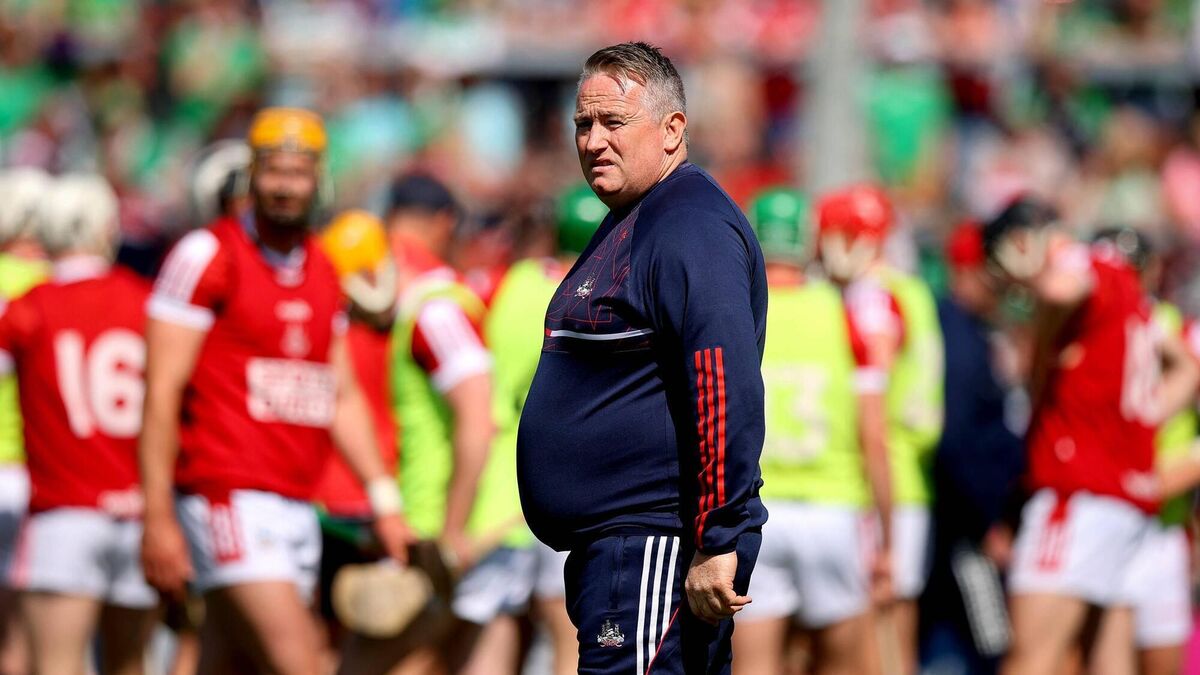
Cork manager Pat Ryan. Picture: Inpho/Ryan Byrne
PUTTING lessons learned into action will be among the primary objectives for Pat Ryan and the rest of the Cork hurling management as they face into a second season in charge.
Had the Rebels managed a late equaliser against Limerick at TUS Gaelic Grounds at the end of May, they would have reached the Munster final. Instead, a one-point defeat to follow the one against Clare in Ennis the previous week meant that Cork were out of the championship.
Ryan wasn’t accepting of moral victories then and the passage of time hasn’t softened the view.
“We got a bit of kudos for playing well but that kind of rang hollow with us,” he says.
“Obviously, we were very happy with the effort the lads gave us all year and the spirit within the group was excellent but you want a long season, that’s why you put so much into it.
“[Selector] Donal O’Mahony was probably the only fella with previous experience of the round-robin system and the block of games. There’s a nice bit of organising in it.
“We were extremely well prepared for the Waterford game and the six-day turnaround then for Tipperary kind of caught us, to a degree.
“When you don’t win your home games, you’re trying to go away then to Clare and Limerick, who have probably been the best two teams in the country for the last couple of years.”
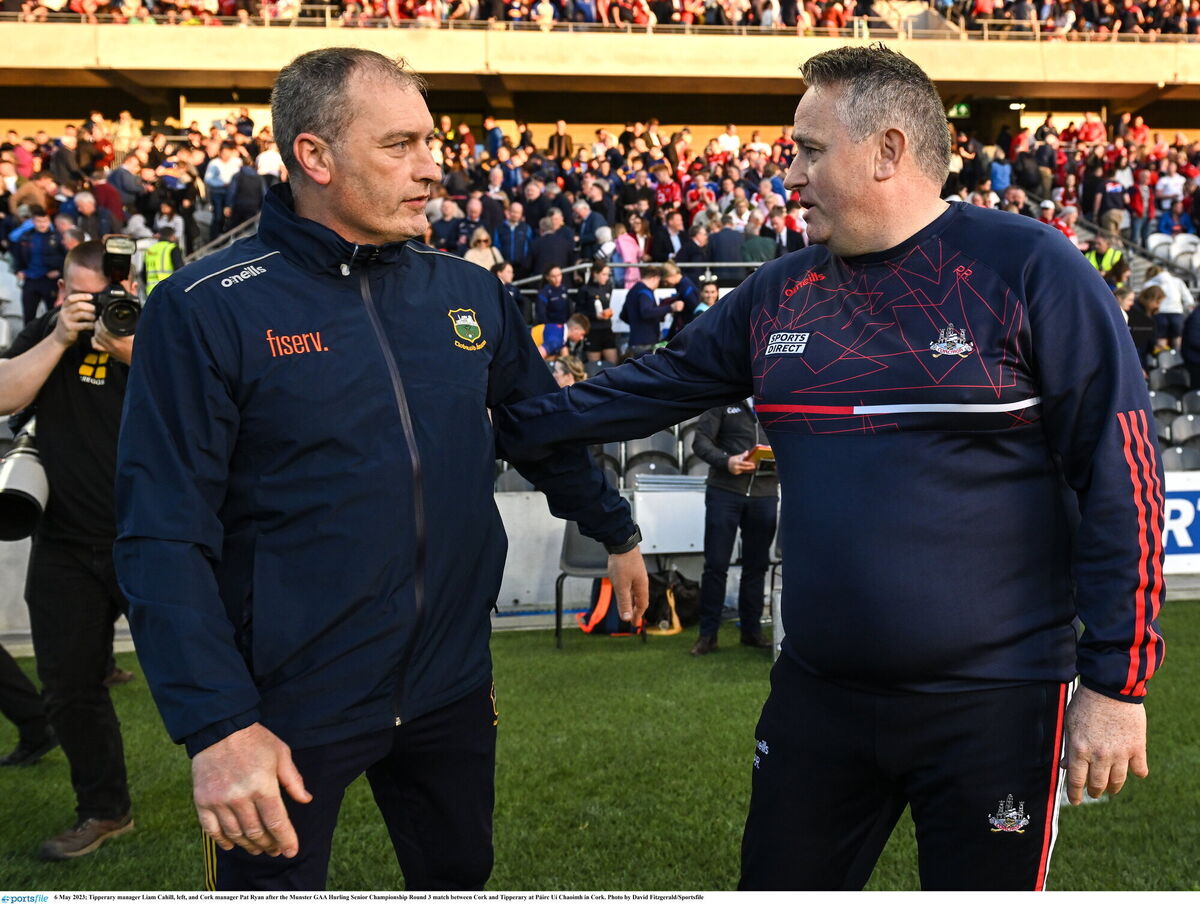
As Ryan and his backroom team prepare for their sophomore season, they will be prepared for the various challenges.
“One thing that really caught us last year was the lack of communication that you can get on the field,” he says.
“At U20 level, it’s not as enforced and when I was involved as a coach, we had a maor foirne.
“Obviously, some teams were better at it than us, they had different scenarios going on – people in the stand or communicating with hurley-carriers – that we didn’t have and that probably affected us a bit.
“The GAA have made it very difficult. We’re one of the few sports where you can’t communicate with the players and I think it’s crazy.
"Making a positional switch, that should take three seconds but it could take up to a minute.”
Other things are out of his hands, though.
“The county board have been outstanding,” he says, “but the fact that we don’t have a Centre of Excellence is an issue.
“There’s no problem getting Páirc Uí Chaoimh for matches but it’s not for training, so then it’s Páirc Uí Rinn for ourselves and the footballers and beyond that you’re asking clubs or MTU. That’s the biggest drawback.”
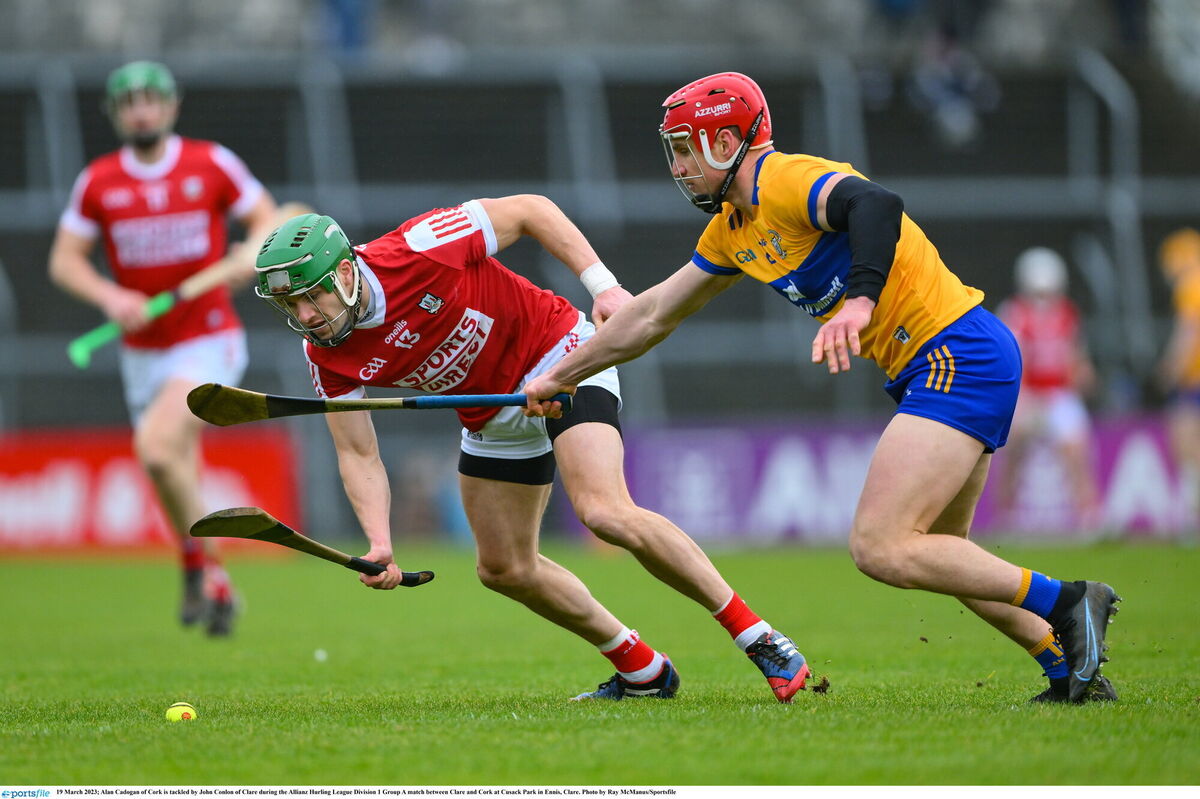
While Alan Cadogan has retired, Ryan doesn’t expect any more to follow him. There will be new additions, with the successful U20 team likely to be a fruitful source, but Cork are likely to go with a squad of around 34 or 36 for the Allianz Hurling League compared with 41 or 42 like last year.
He cautions against expecting any newcomers to produce miracles, though.
“Obviously, when you’re local around the place and people have easy access, fellas are talking to you about it all the time,” he says.
“What I would say is that everyone’s entitled to their opinion, because it’s Cork hurling. Anyone who would talk to me, I’d listen, as people are generally nice, but I tell them not to be insulted if I don’t do it.
“The bottom line is that we want Cork to win – we don’t care who we play, who they are or what club they’re from.
“Inter-county hurling is so different, in terms of mental preparation and how you prepare during the week. It takes a while to get used to it.
“One thing that stuck in my mind is something Conor Counihan said to me. Club matches give you the opportunity to get in with Cork, to get into training sessions and it’s what you do in those sessions then.
“It puts fellas in the shop window, it gives them an opportunity, but being an inter-county hurler is seven days a week.”
And obviously the same applies to the manager, if not more so. Ryan had experience as Cork coach during Kieran Kingston’s first stint in charge while he also led the county to two U20 All-Irelands but, as it is with players, the step up to senior is noticeable.
“It was a big eye-opener,” he says.
“When you’re coaching a team, you’re just worried about coaching. As a manager, there’s a logistical thing you’re trying to get right and obviously we have people dealing with that but you’re trying to understand players and all that side of it.
“As a coach, everyone’s looking after their own little area but you have to know everything that’s going on.”
In terms of controlling the controllables on the pitch, Ryan makes the point that “everyone goes on about Limerick’s size, but they’re the most skillful team in the country and we’re all trying to reach that level”.
During matches, he wants Cork to limit the impact the opposition can inflict when they enjoy periods on top.
“In all games, you’ll have periods of dominance and periods where you’re quiet,” Ryan says. “In the periods where we were quiet, we were losing 0-8 to 0-2 or 1-6 to 0-1 but when we were winning, it was 0-8 to 0-6 or 1-7 to 0-5. When teams were getting on top of us, we weren’t able to stay closer to them.
“I think sticking to the gameplan, understanding how we want to play more, is a vital part of what we want to get out of next year.
“Obviously, we changed our gameplan last year, we were trying to move the ball faster, and there was probably an over-correction at times, we needed to use the ball a small bit better at different stages.
“When you’re trying to move away from lateral play, you maybe end up becoming too direct. Especially at the end of games, where the pressure was coming on – there were probably two or three instances against Clare, we had them on the rack and we gave away a few handy scores through not using the ball well.
“It’s about giving fellas bravery – mistakes are grand, as long as you’re trying to do the right thing. That’s what we’re trying to get across to fellas.”









 App?
App?


