Austin Gleeson has taken a break but few hurlers manage a glorious comeback like Brian Corcoran's
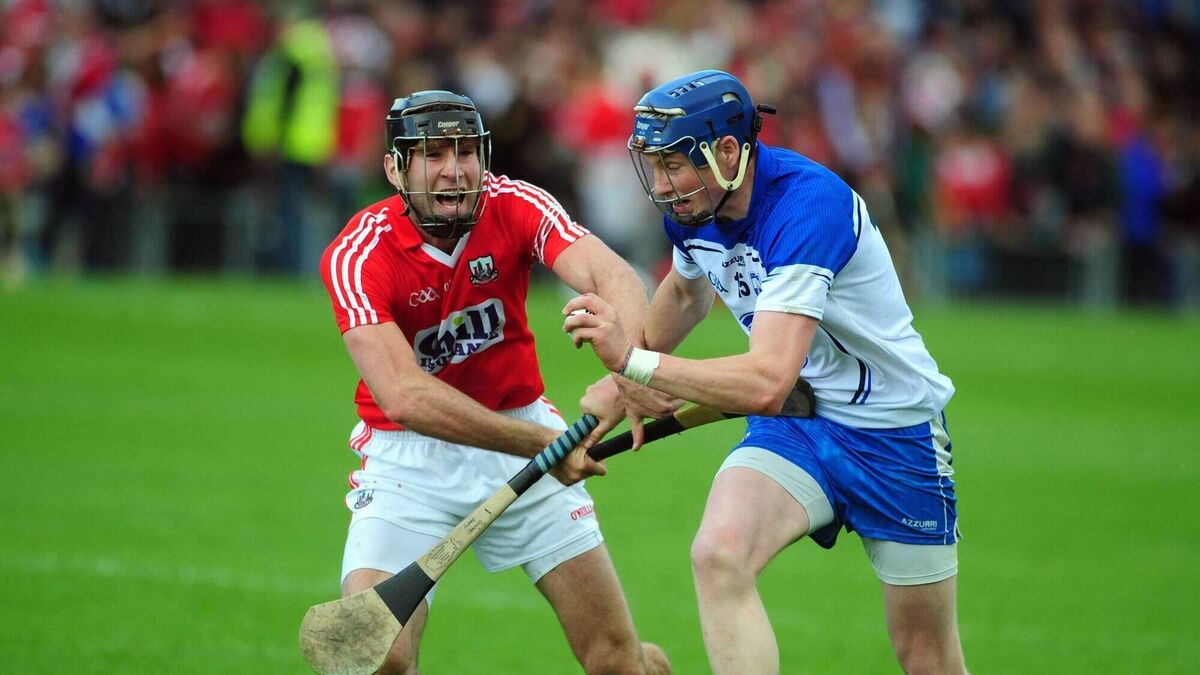
Mark Ellis tackles Waterford's Austin Gleeson in the 2014 Munster Championship. Picture: Eddie O'Hare
THE Monday after Waterford hammered Wexford in last year’s hurling league semi-final, Austin Gleeson spoke with Liam Cahill and the Waterford management, where a decision was taken not to appeal his red card from the previous day, which ruled Gleeson out of the decider against Cork.
Looking for some kind of a reprieve would have been a waste of time anyway considering that Gleeson had been caught red-handed on TV, flicking the butt of his hurley at Simon Donohue and catching him in the abdomen.
In many ways, that moment encapsulated the fusion of brilliance and frustration that has largely defined Gleeson’s career, especially when he had just scored 2-3; a superbly gifted and talented player who was too often prone to pressing the wrong button.
When Gleeson was sent off against Cork in the championship over two months later, it was, up to that point of his career, the tenth time he had been sent off in his adult career in competitive matches; six times for his club Mount Sion, three times for Waterford and, once for Waterford IT in the Fitzgibbon Cup.
There always appeared to be that tension there between Gleeson getting the balance right and wrong.
The challenge for Gleeson and his coaches and managers was to harness that edge and turn it into a weapon that could cut other teams to shreds, instead of leaving self-inflicted wounds on Gleeson and Waterford.
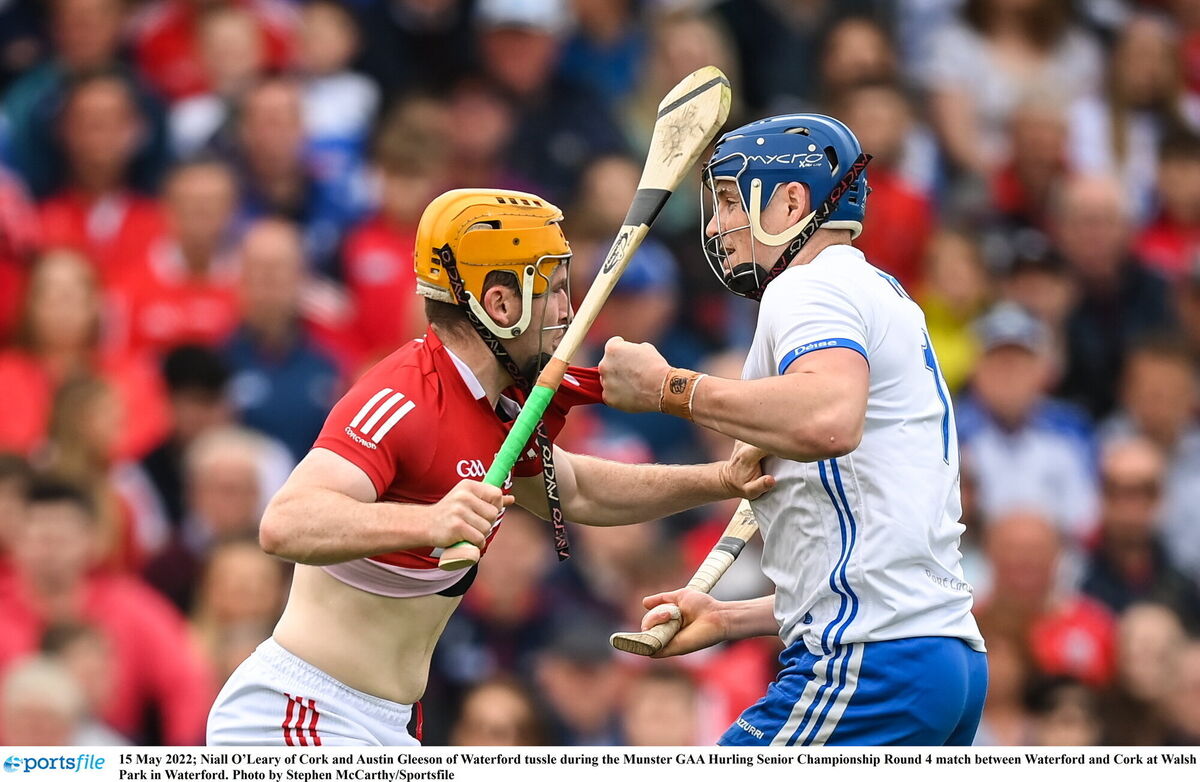
Gleeson once admitted in an interview in 2016 that “if I’m angry, I always seem to play well”. That was the trick and the great challenge for Gleeson – to try and get himself into that state, but not go too far and stray over the line.
In a BBC documentary on Cristiano Ronaldo a few years back, Rio Ferdinand said that Ronaldo always tried to have that “bit of anger in him to drive him on, to prove people wrong."
It’s impossible to compare a multi-millionaire sports star with an amateur sportsperson, but trying to strike that correct balance was even more challenging again considering Gleeson’s whole hurling life had been about expectation, and meeting those consistent levels of expectation.
How difficult was that?
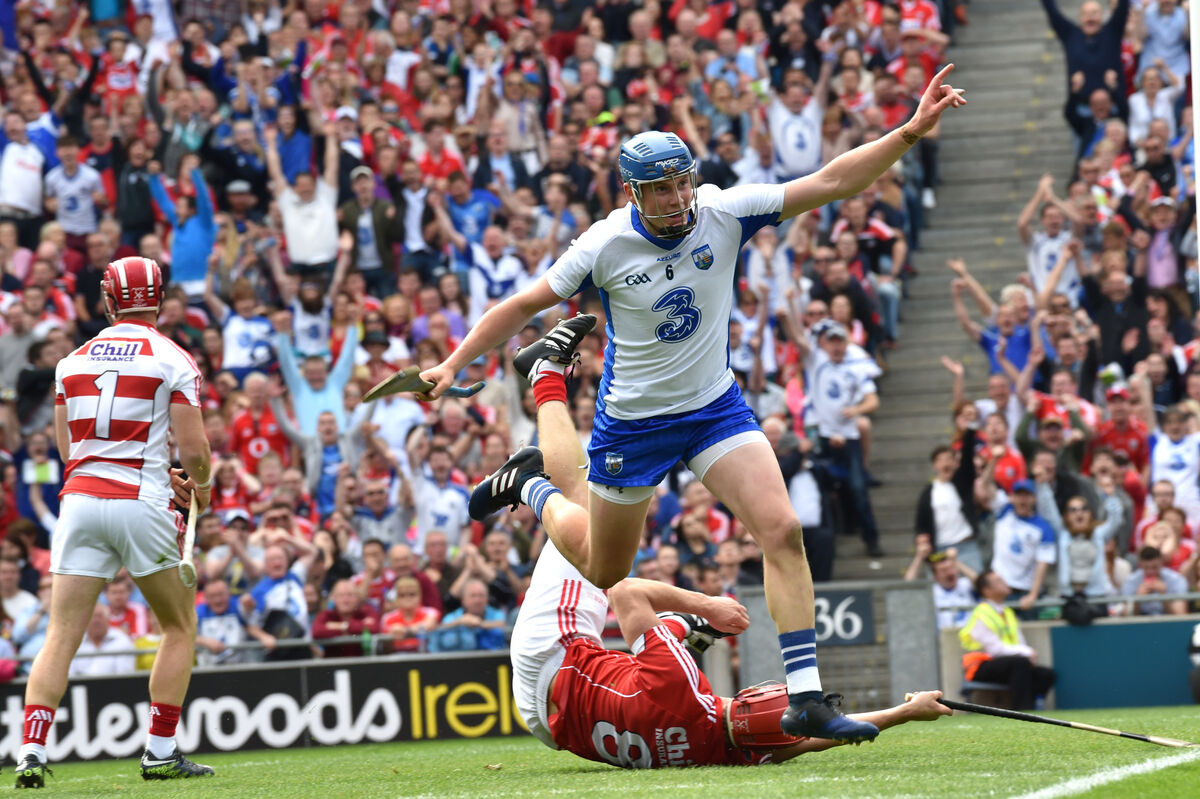
Waterford’s hopes had hung heavily on his shoulders but Gleeson had felt that burden all year, particularly after winning Hurler-of-the-Year and Young Hurler-of-the-Year in 2016.
That new status had definitely infiltrated Gleeson’s thought process.
“I was trying to live up to the awards the whole time,” he said at the end of 2017. “I put myself under way too much pressure and it was affecting my hurling.”
Expectations are bound to change, especially for young players winning that award.
The easy excuse for the public is to blame awards and the pressure it can place on them.
In Gleeson’s defence, he was more exposed because his team didn’t win the All-Ireland; in the history of the awards, only six players won the Hurler of the Year in a season when their county didn’t win the All-Ireland; Christy Ring, Tony Doran, Brian Corcoran, Tony Browne, Dan Shanahan and Gleeson.
The All-Stars weren’t there in Ring’s time but none of those other five Hurler-of-the-Year recipients won All-Stars the following year. In Corcoran’s defence, he only played one championship match the following season in 1993.
When Gleeson stepped away from the Waterford panel for 2024 this week, stating that he just doesn’t “have the drive to do it” anymore, it sparked comparisons with Corcoran when he stepped away for the first time in 2021.
Corcoran was 28, the same age Gleeson is now. Both were underage stars who made a huge splash on their championship debut in their first season out of minor.
Although Corcoran had been an outstanding dual player, he had actually played the exact same number of senior championship matches (in both codes combined) as Gleeson has now, when the Erin’s Own man first stepped away from the game in 2001.
Corcoran was so burned out that he packed in hurling altogether, something Gleeson doesn’t intend doing.
Gleeson hopes that the break from the inter-county game will rekindle the spark but Corcoran needed to see Cork lose an All-Ireland final two years later (in 2003) to even get him thinking about playing again.
Numerous friends called to Corcoran’s door imploring him not to go back. He subsequently found out after the 2004 All-Ireland final that not all of the management wanted to bring him back.
Some people felt he was out of the game too long but Donal O’Grady, then manager, put his foot down.
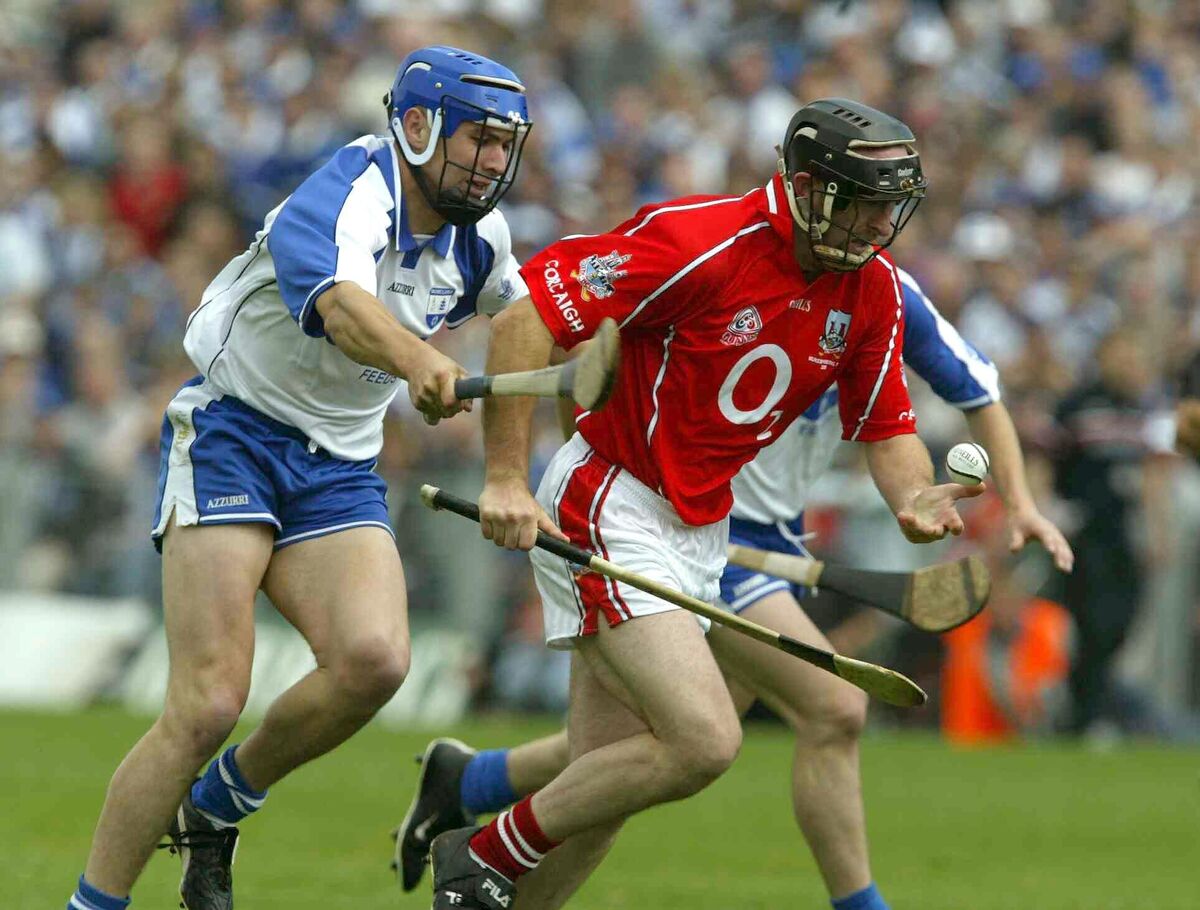
Corocoran’s return was glorious, winning two All-Irelands in 2004 and 2005.
Nobody knows what Gleeson may do next but it will be extremely difficult to do what Corcoran achieved. For a start, that Cork team were serious All-Ireland contenders and always had the potential to dominate the game for a period, a status Waterford don’t possess at the moment.
Moreover, by the time Corcoran returned in 2004, he was playing in a different position and was no longer expected to carry the team.
Nobody doubts Gleeson’s brilliance and what he can still contribute to Waterford, and to the game.
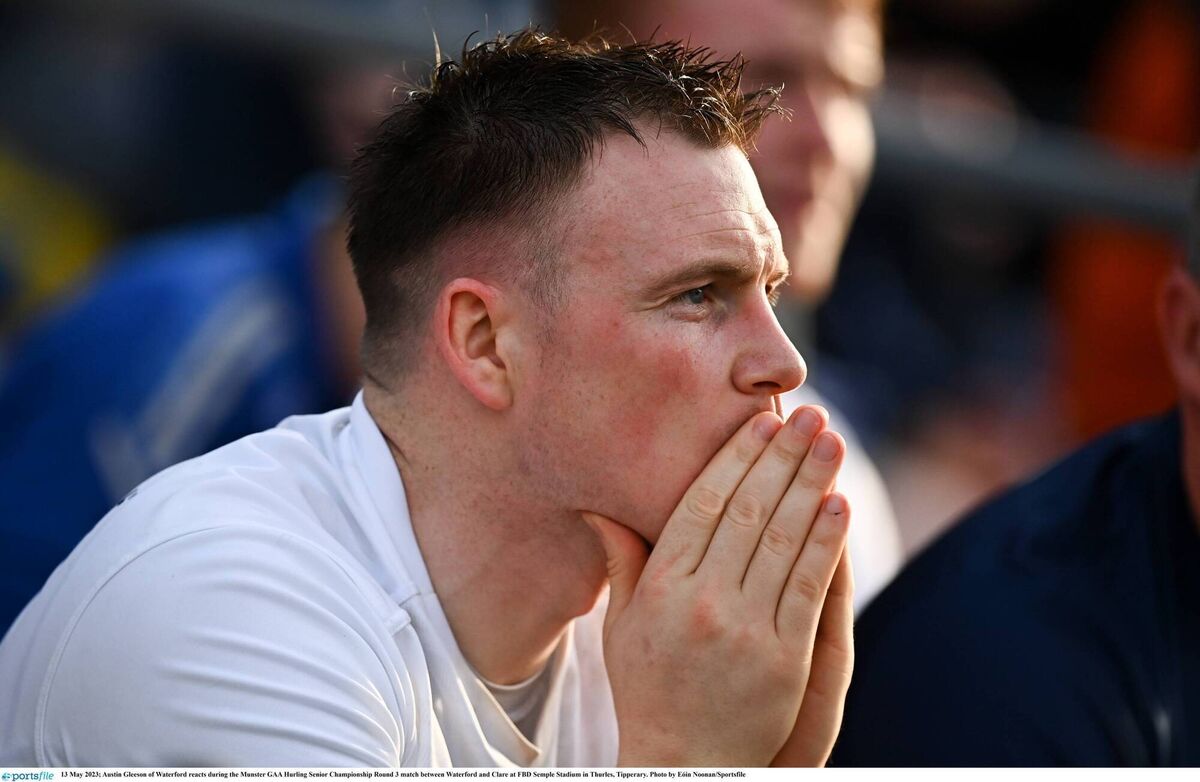
But can he yet rediscover that hunger and fire as he edges towards 30?
When Corcoran did, it certainly helped ignite Cork into an inferno.










 App?
App?


