Christy O'Connor: GAA refs need more respect and focused investment is needed
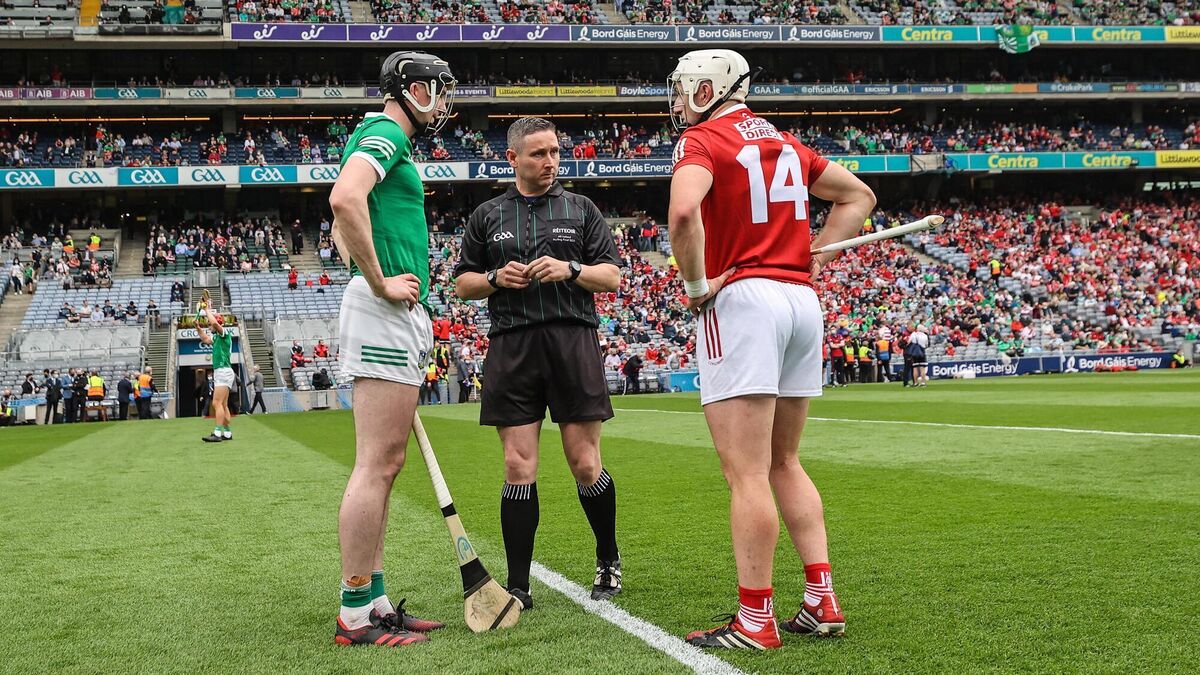
Limerick's Declan Hannon at the coin toss with Referee Fergal Horgan and Patrick Horgan of Cork before the 2021 All-Ireland final. Picture: INPHO/James Crombie
WHEN TG4 put a live microphone on referee John O’Halloran for last August’s Kerry county senior hurling final between Ballyduff and Causeway, it added a fascinating and intriguing dimension to the broadcast.
As well as offering a unique insight into the interactions between players and officials, it also opened up a new line of communication for the viewers around the reasons why O’Halloran was making certain decisions.
When TG4 shared several clips on social media afterwards, one of the most widely viewed was one where Ballyduff’s Pádraig Boyle tried to talk O’Halloran out of issuing him a yellow card just before half-time. “I’m here in front of it,” explained O’Halloran to Boyle who was pleading his innocence. “I’m only three yards away from it.”
For years, rugby viewers have been informed and educated by the referee link-up which is relayed with extreme clarity. It also underlines the immense respect rugby players have for referees in how they talk and interact with the officials.
The culture is completely different in rugby compared to GAA, but the main advantage of making microphone audio available to broadcasters is so the viewers could understand the decisions the referee is making.
TG4 had begun that process last August but plans to repeat it a week later for the Wexford hurling final were shot down by Croke Park pending further discussion and education, with the move possibly even requiring a policy change.
The GAA’s primary concern was around image, especially a fear of the negativity stemming from any rude, foul or offensive language from players or managers being picked up by the referee’s microphone.
The GAA were also mindful of educating referees as to how to conduct themselves when the mic is on. Whatever about what a player or manager might say, the potential for controversy would be all the greater again if a referee said something inappropriate with a worldwide audience listening in.
The GAA has always been slow to change but there has been nothing from the GAA as to what might happen next around the topic. The trial of the Television Match Official (TMO) is coming down the line, which will make referees life easier too, but nobody is sure either of when that will actually happen, especially referees.
For too long, referees have needed more assistance, especially in being allowed to communicate which, in many ways, has contributed to the breakdown in the relationship between referees and other parties in recent weeks.
It reached a boiling point last week when one of hurling’s best referees Fergal Horgan walked away in complete frustration. On Tipp Mid West FM, Horgan outlined a multitude of reasons for him stepping away; a lack of personal appointments; unrest amongst referees after some refs appointed to recent games didn’t pass a fitness test; annoyance amongst Munster referees with their appointment numbers.
“I know for a fact that a lot of referees in football and hurling are not happy with the way things are going,” said Horgan.
"I can stand over that."
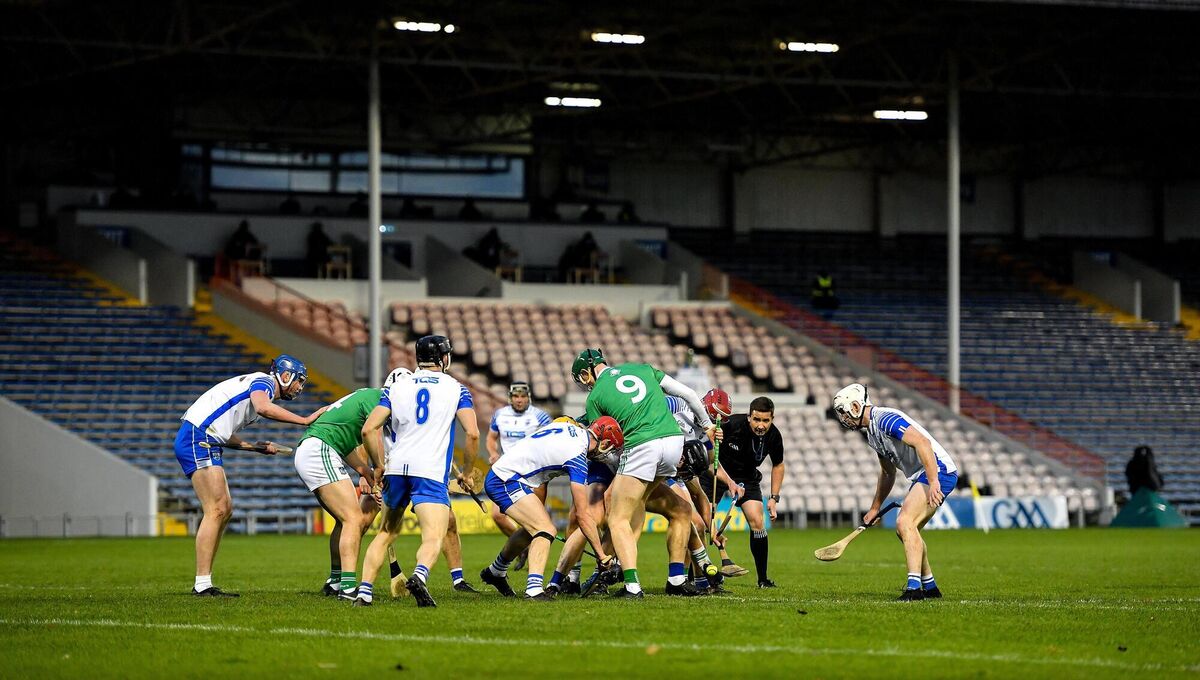
Horgan said he had made his feelings known to the appointments committee but got no response. Horgan did have communication from the GAA's referees manager Donal Smyth who did respond to one communication, but he said that he wouldn't encourage prospective referees to become involved.
“At the top level you get no support,” he said. "I got no contact from Croke Park in the last few weeks and that just shows me where I stand in their community. There is no support there for referees and I couldn't see why anybody would referee in the future. There is no one treated fairly.”
Munster referees did officiate at both All-Ireland semi-finals last year, along with the final (Horgan, Thomas Walsh and Colm Lyons). Horgan refereed an All-Ireland semi-final and final in 2021, but referees everywhere are clearly annoyed with their place in the system, and how they are viewed amongst the GAA’s authorities.
Late last week, Derek Kent, a member of the Central Referees Appointments Committee (CRAC) as the Central Competitions Controls Committee (CCCC) chairman expressed disappointment with Horgan’s comments, especially on the issue of support for referees. “His comments don’t help the great work and the groundwork being done at county level in trying to promote and recruit referees,” said Kent.
How much is being done though? Could it be more, especially when there is such a shortage of top-class hurling referees? The amount of money spent on referees development at national level is small. There are only two full-time referee staff within the association.
“We only do attend to refereeing on an ad hoc basis and it’s a box-ticking exercise,” said former referee and Irish Examiner columnist Brian Gavin last week.
Gavin suggested a number of solutions; an education programme about the rules of games for players and supporters; replacing the outdated pre-championship fitness test with regionalised pods where referees meet and train twice a week; the creation of an independent panel to take over from the Central Referees Appointments Committee (CRAC) so as to eliminate any provincial bias that is influencing match appointments at present.
With a lack of investment contributing to increasing frustrations amongst referees, Croke Park needs to increase finance and improve structure to raise the standard of officiating.
And to make refereeing more of a priority than it currently is.





 App?
App?


