Christy O'Connor: Cork footballers' injuries show importance of balanced S&C approach
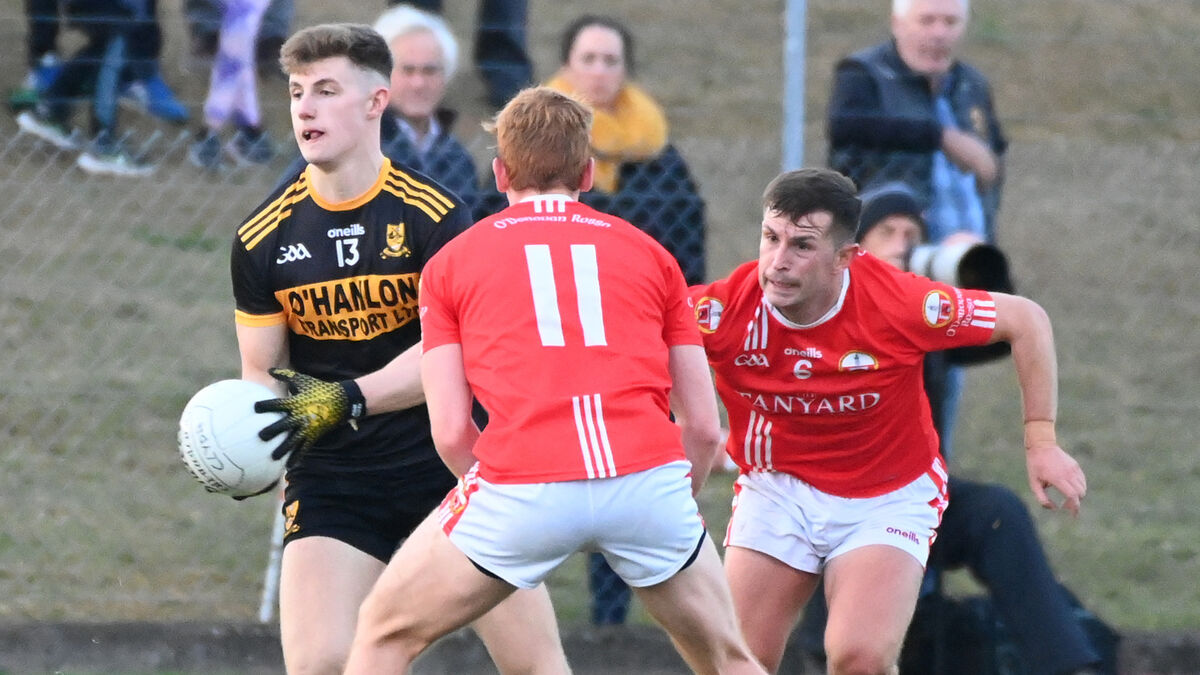
Clyda Rovers Conor Corbett breaks from O'Donovan Rossa's Kevin Hurley and Daniel Hazel during the Bon Secours Cork SAFC at Coachford. He was back in club action this summer after suffering a serious injury for Cork. Picture: Eddie O'Hare
AT the end of Cork’s 11-point defeat to Dublin in the All-Ireland quarter-final in June, John Cleary gathered his players and backroom team around him in a huge huddle on the Croke Park pitch and addressed the group for a handful of minutes.
Cleary clearly had a lot to say. As interim-manager, there was no guarantee that he would be installed as the manager down the line. Keith Ricken was expected to come back, but it was still easy to envisage what Cleary must have been saying to the players after the Dublin game, and what they needed to do to get to that next level.
“We can only go so far with teams,” said Cleary. “The top teams seem to have that extra gear that really matters. Our lads were out on their feet completely. Obviously, it is a fitness thing. I think that takes a good number of years. There were times this year that we pushed on harder in training and some lads broke down injured.”
Cork appeared to be caught in that bind earlier in the season.
There was one stage during the league when Cork had up to 17 players from the full panel on the sideline with injury. Some of those players were out with long-term injury. Killian O’Hanlon and Conor Corbett were coming back from cruciate tears, while Liam O’Donovan was another long-term injury absentee.
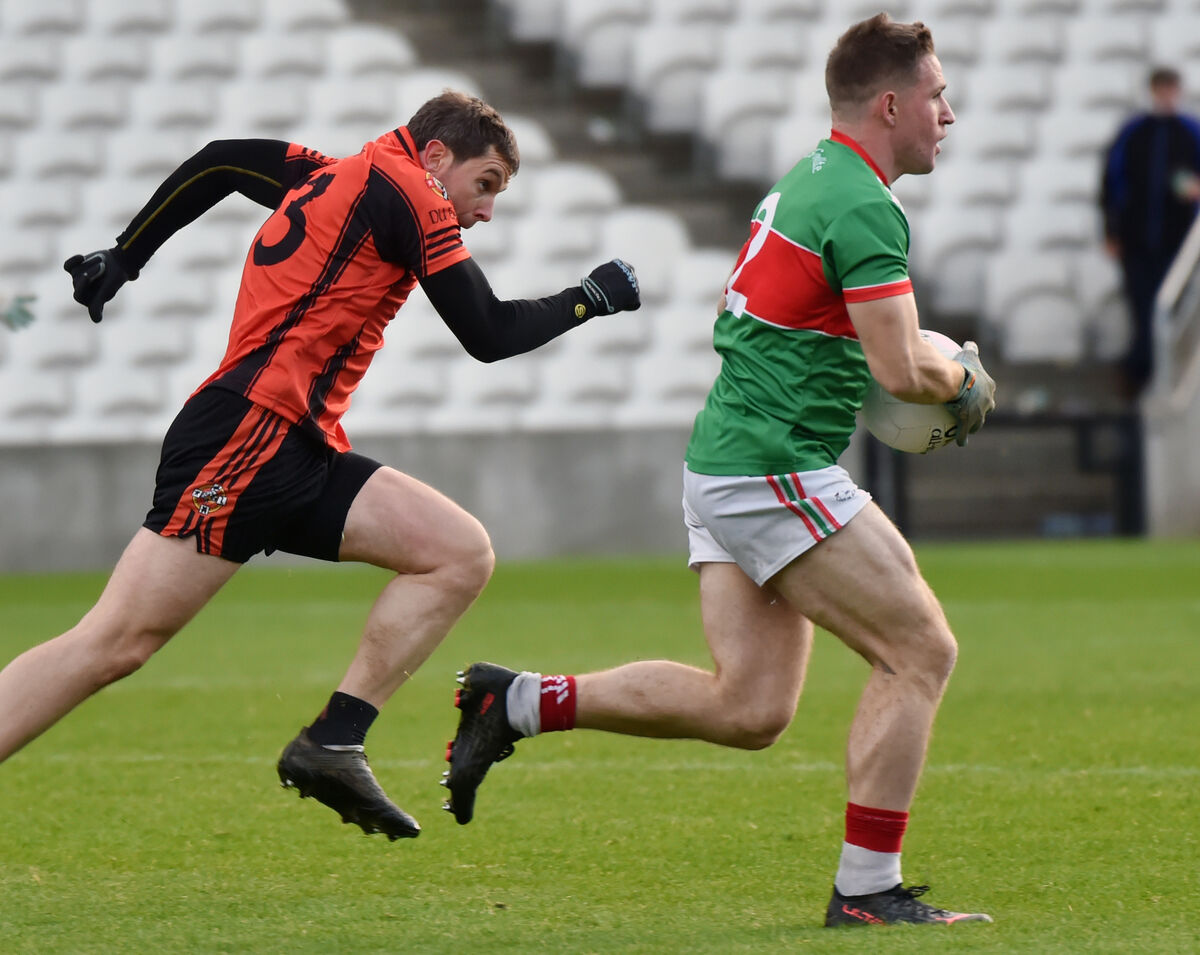
Other players on that list have been plagued with injuries throughout their careers but, from early in the league, Cork looked like a team hobbling on one leg. It was no surprise that relegation to Division 3 was only staved off in the dying moments of their final game against Offaly.
So how now do Cork catch up? How can they ensure that they’re not in a similar position next season, if Cork push hard again in training and players start breaking down once more?
That is something that has to be already exercising management and players’ minds when there will be more games than ever before with the new championship format.
Cork’s whole S&C approach, and all the other elements attached to it, will surely have been forensically analysed to ensure Cork don’t suffer a reoccurrence of so many injuries again, especially early on in the season.
Injury prevention, especially around prehab, has never been more important, especially when the data recently revealed by the GPA underlined just how attritional and chronic the training and playing loads is having on players.
The survey found that 68% of footballers and 63% of hurlers missed a game or a training session because of injury last season. Of those reporting injuries, 46% of footballers missed five weeks or more while the figure was 41% for five weeks or more among hurlers.
There is the prospect of a rise in those figures given the increased volume of games in 2023. GPA chief executive Tom Parsons also revealed that 40 percent of players had hip/groin injuries in the “here and now” which he said was “the highest prevalence in comparison to other sports.”
Already, even before a ball is kicked or pucked, that high volume requires careful management. With players needing a minimum of six weeks of phased loading to get ready for an inter-county season, the knock-on effect from sports science towards player welfare is that there has been an earlier start to collective pre-season training, which will now begin on November 24, nine weeks before the first league games.
That date could be pushed back further if the pre-season competitions were dispensed with, which would push the return-to-training date into December.
Every player is well educated now around S&C and the sports science requirements to play and prosper at the elite level. That’s a 12-month mindset and culture that most players abide by, but it’s been easier to carry out within the split season model – because the majority of players have more time off at certain stages of the season, especially during the summer months, than ever before. That might only be a small window, but it has meant a lot to players, especially towards keeping fresh, mentally as much as physically.
Another strand to this debate though, is that inter-county players sometimes need more help again, or as much as is feasibly possible, which is how some county managers now view such a long inter-county off-season within a split season.
There can’t be any collective training but managers can provide that backup through careful planning and some structural assistance, especially around prehab.
Few clubs have an S&C coach or set-up comparable to an inter-county squad. Any subtle and discreet interventions by managers and their S&C coaches may be interpreted as another example of inter-county managers always wanting more, which also feeds into the debate about some players never having an off-season.
On the other hand, such a route will make those players better, stronger and more durable club players in the long run. And, more importantly for the inter-county players, less likely to break down during an inter-county season that looks set to be more relentless and hectic than ever before.





 App?
App?


