Christy O'Connor: Cork hurling boss Pat Ryan must restore confidence of fans and players
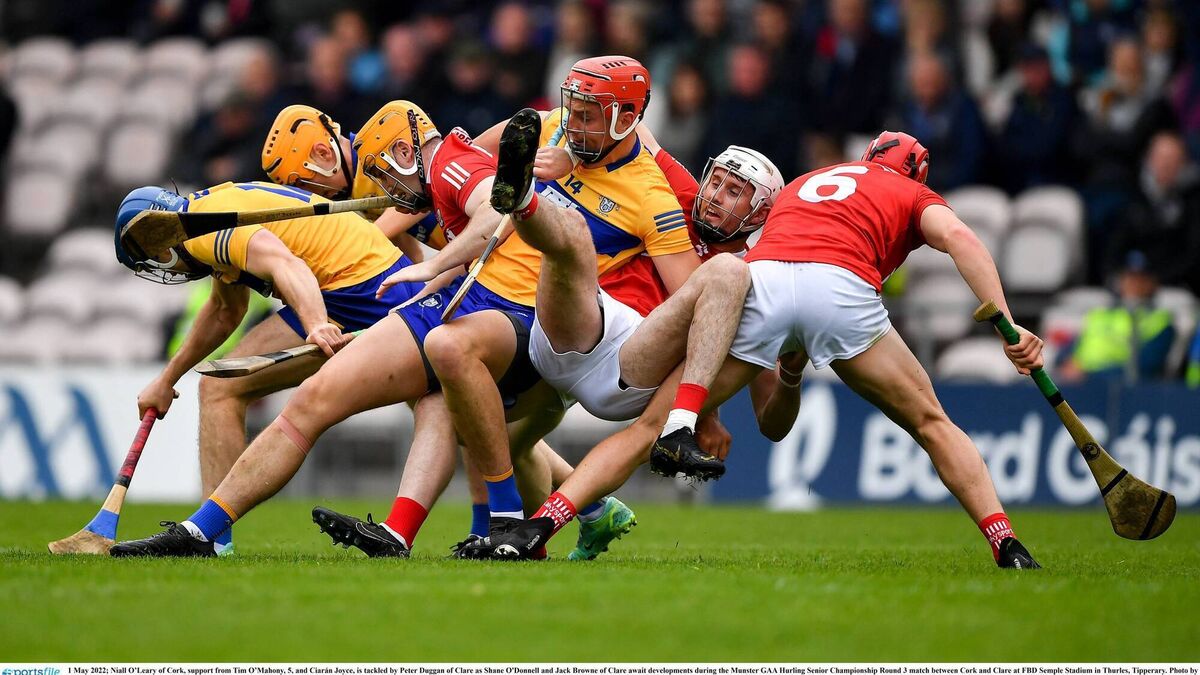
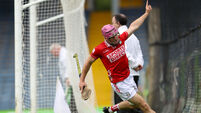
Cork's loss to Clare in the Munster Hurling Championship heaped enormous pressure on a group low on confidence after defeats to Waterford and Limerick. Picture: Ray McManus/Sportsfile
WHEN Gary Keegan first got involved with the Cork hurlers in 2017, he continually exposed the players to one of his core philosophies around creating and nurturing a growth mindset; have the group experience chaos, upset and adversity to really enable them to grow.
Keegan would invariably set challenges for the group when they were least expecting it, repeatedly testing the players to see how they would respond to a scenario in a challenging environment.
Five years on, Keegan was back facilitating that environment of vulnerability in order to try and get to the real organs of performance and success. The background was somewhat similar to what it was in 2017, because Cork’s last game of the campaign in 2021 was a huge disappointment, just like their last game of the 2016 championship had been, when Cork lost to Wexford in the championship for the first time in 60 years.
At least Cork had been to an All-Ireland final, having overcome the tricky semi-final barrier, but Keegan’s task was far harder again early on in the championship when chaos, upset and adversity was circling everywhere.
The dynamic had radically changed because public expectation was far higher at the outset of the championship, especially after reaching the league final. Yet the fallout from that defeat to Waterford, combined with the anger bubbling after the 2021 All-Ireland final hammering, was brought to the boil after Limerick whipped Cork again in the opening round robin match in April.
Frustration and hostility was in the red after Cork lost to Clare two weeks later because some of the Cork public had turned on the players and management.
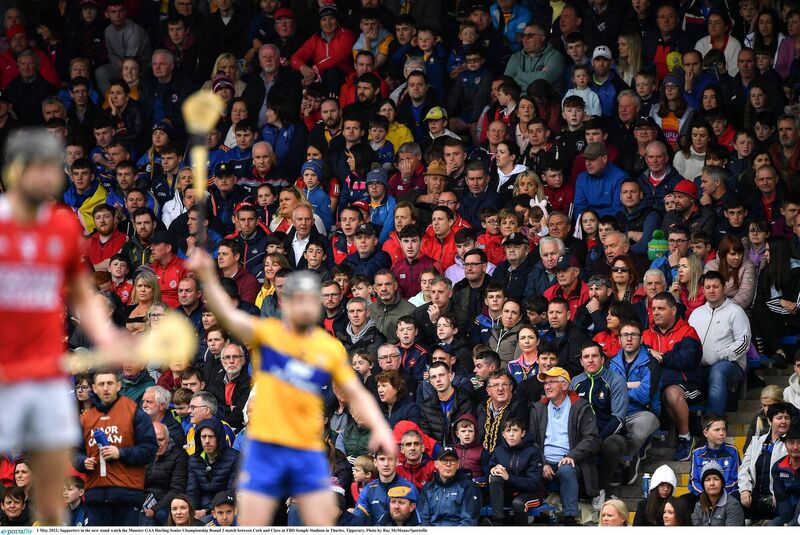
Cork had hung their style on a game loaded with risk and ripe to be torn down with any breakdown of the functioning parts. And Limerick’s wrecking of the model twice, along with Clare’s early destruction of Cork in Thurles in early May, led supporters to lose faith in the direction Cork had sought to go.
Outside opinion and perception is irrelevant in any high-performance environment, but it always has some relevance to the Cork hurlers, who are a totally different machine when powered and fuelled by their huge support.
After the Clare defeat, Kieran Kingston said that the criticism in the aftermath of the Limerick game had “affected the players”. The machine had stalled. Cork had arrived at a crossroads when facing Waterford in Round 3. Keegan and the Cork management had a mountain of work on their hands to ensure Cork got a win in that game, but they did. And suddenly, the dynamic changed.
So did the team’s structure and playing style. And collective attitude.
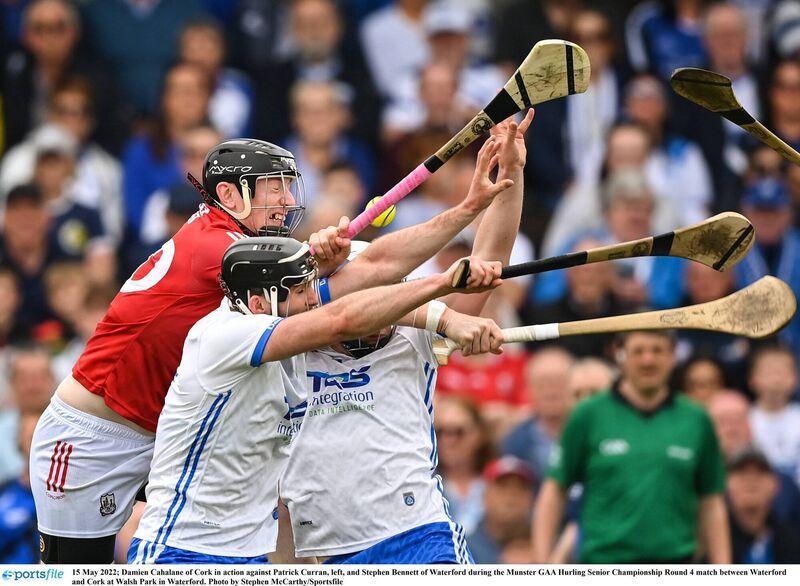
This Cork team has always been defined by huge levels of skill, class and pace but when they married those qualities against Waterford, Tipperary and Antrim with the intensity and work-rate required that is a baseline requirement just to survive at this level, everything changed. Suddenly, the mood on and off the field was completely different.
Cork were suddenly brimming with a level of confidence again that they seemed to lose after the league final, and which was clearly lacking for the Clare and Limerick matches.
The structure and balance of the team were better. Cork were mixing their game up more. They had a much better blend to their style of play. Key players returned to form. The bench was making an impact again. And the scores started to flow.
Cork had enough chances – especially goal opportunities - to beat Galway in the All-Ireland quarter-final but they didn’t take them.
The pus came oozing back out of the old scars again. The disconnect between the public and the squad and management also reared its head again, which bubbled to the surface after Kieran Kingston stepped away and Diarmuid O’Sullivan and Pat Mulcahy cleared their throats and had their say.
Both took aim at what they saw was the negative reaction from former Cork players in the media. “Some of that stuff came across as unhelpful and as having an agenda behind it,” said Mulcahy.
Mulcahy was also in no doubt about the unity required if Cork were to move forward. “To have a successful future,” he remarked, “it's essential that Cork hurling people support each other.”
Last week, Pat Ryan initiated the first stage of that process when urging supporters and media commentators to judge the team for their effort next season. Ryan also insisted he has no issue with criticism so long as it is constructive and honest.
“The one thing that can drag a team or a county down is constant negativity,” said Ryan. “Honest reaction and honest analysis, we can all take that on the chin.”
The unity that Mulcahy called for, Ryan hopes to benefit from next season.
Cork hurling has had a lot of strife over the last two decades, beginning with the multiple players' strikes and the division they caused. Those cracks gradually closed over the years but the constant frustration at inconsistent performances, unfulfilled potential and the longest All-Ireland famine in the history of Cork hurling has prised many of them open again.
Cork hurling needs to heal itself again.




 App?
App?


