Cork hoping that league final win over Waterford can lay a marker like 1998
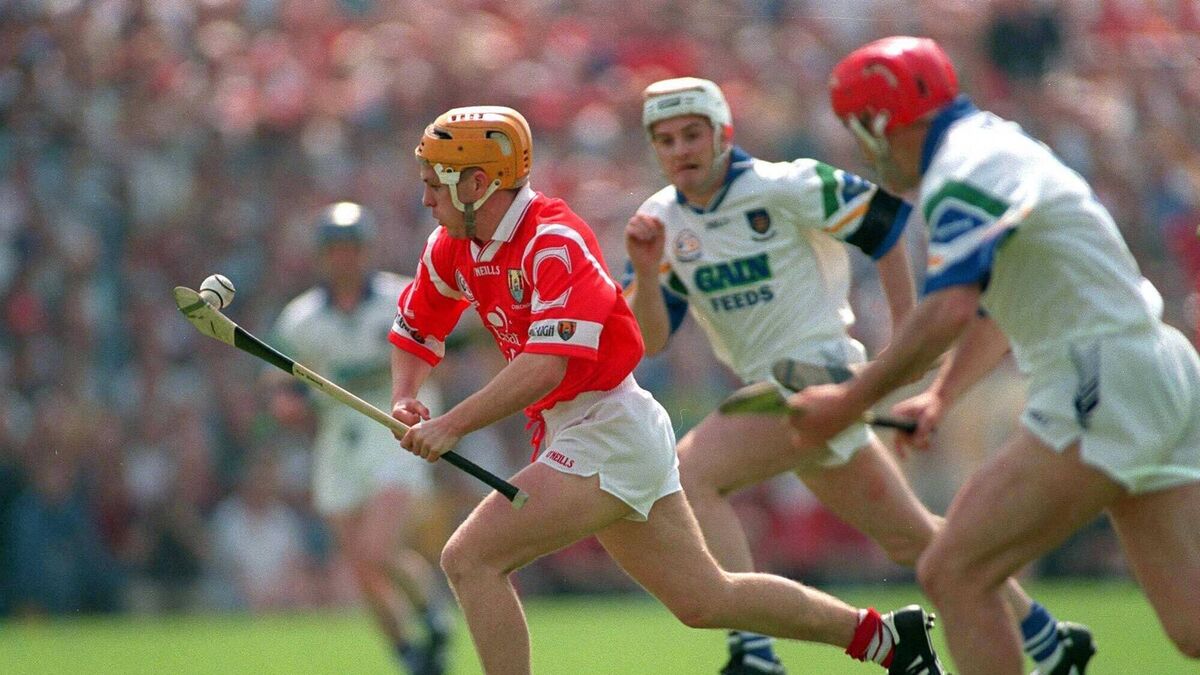
Joe Deane of Cork during the 1998 Hurling League Final match between Cork and Waterford at Semple Stadium. Picture: Ray McManus/Sportsfile
WAY back in the mists of pre-pandemic time, Cork held a press conference looking ahead to the 2020 Allianz Hurling League campaign.
Manager Kieran Kingston and Seán O’Donoghue spoke to the media and Kingston, who was returning to the role after two years away, spoke of how there was an element of uncertainty in how the team were perceived.
“Every time a Cork senior hurling team takes to the field now it’s, ‘Have we something to follow now or are we under pressure again?’” he said.
“You can understand that when you haven’t had a national league title in 22 years and an All-Ireland in 15. People are starved of success. While the league might be perceived as the secondary competition, it’s important for us.”
That league was an up-and-down one for Cork, but there was an increased focus on goalscoring. However, the advent of Covid-19 meant and the later club championship finish meant that the team’s preparations for their Munster opener against Waterford were hampered and it proved to be a short campaign.
Thankfully, 2021 provided what we hope was a better reflection of the team and, but for a late collapse in the last league match against Galway, the wait for that title, stretching back to 1998, might have been ended.
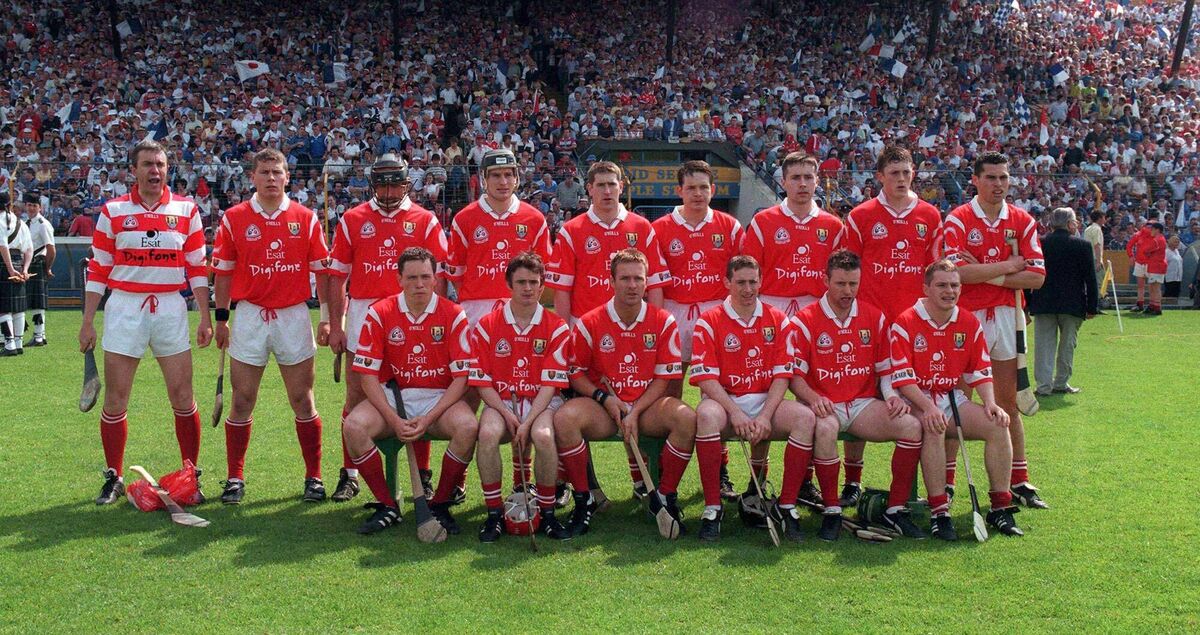
There is a chance to bridge that gap this weekend though, with Waterford in opposition, as they were in 1998 and also 2015, the last time Cork made the final of the competition. Since the 1998 win, Cork have also lost deciders to Kilkenny in 2002 and 2012 and Galway in 2010.
Much is made, of course, of how Cork’s 1999 All-Ireland title was backboned by members of the successful U21 sides of 1997 and 1998, but the value of the 1998 league is often overlooked – perhaps in part because Clare knocked Jimmy Barry-Murphy’s team out of the Munster championship a few weeks later.
Cork had beaten the Banner in the league semi-final, but word soon spread that the reigning All-Ireland champions had taken a dive, with the rumour being exaggerated to the point that they had trained on the morning of the match.
Classic Ger Loughnane mind-games, we were told, but Anthony Daly’s excellent autobiography relates a different tale: the Clare panel hiring a minibus for the day after the league game, the May bank holiday Monday, and going on a West Clare pub-crawl with the proviso being that nobody would drink until the championship clash with Cork or Limerick.
“We felt aggrieved. We had a point to prove. And that mentality set the tone for our summer.”
Clare now respected Cork enough to have put in an extra effort to beat them. With no back-door available, it meant a premature end to the season but thankfully the foundations were not swept away. Cork’s star was clearly rising among those in the know and that would be proved in the league final against Waterford on May 17.
With Cork City beating Shelbourne in the FAI Cup final on the same weekend, it made for a double celebration, with The Echo front page carrying the headline, ‘Champagne Cork!’
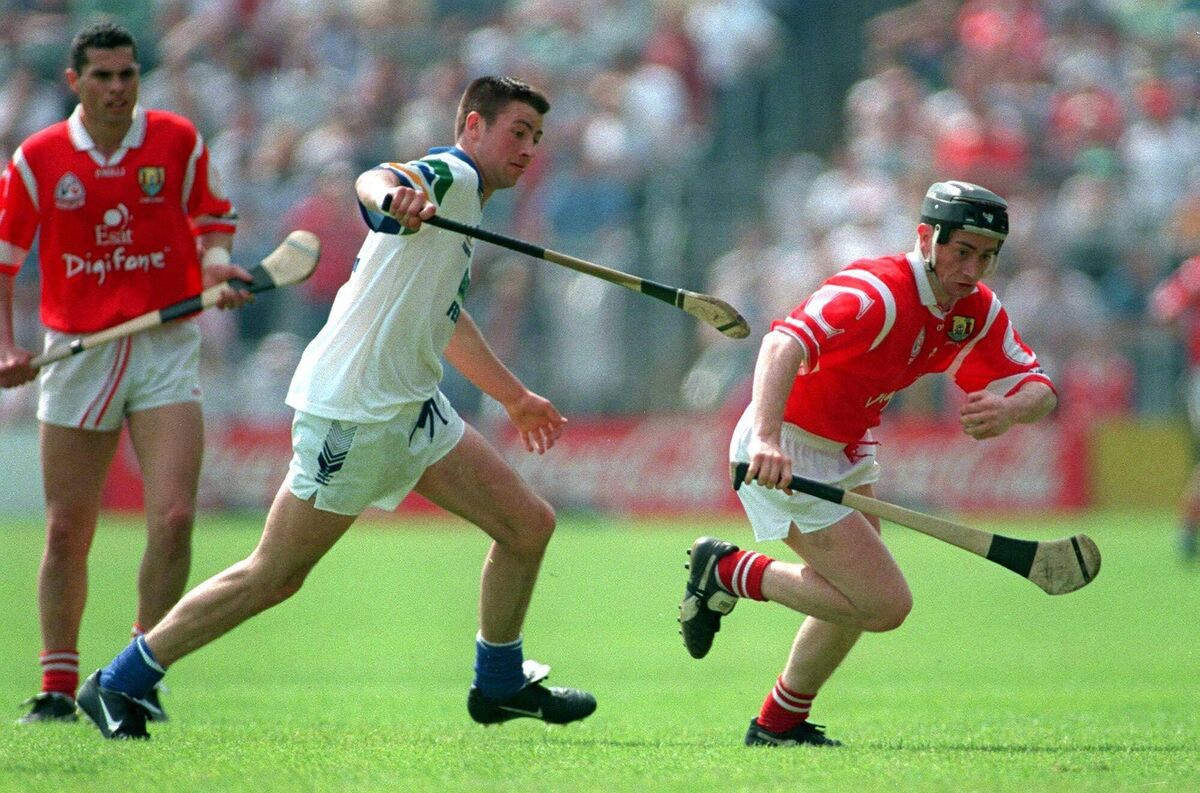
The final score in Thurles was 2-14 to 0-13 and a seven-point winning margin probably flattered Cork, but then they had done much to earn their own luck before a crowd of 32,890. Seánie O’Farrell had scored a great individual goal just before half-time to give the Rebels a 1-6 to 0-7 half-time lead and while Seánie McGrath extended that advantage on the resumption, Anthony Kirwan, Dave Bennett and Paul Flynn were to the fore as Waterford came roaring back into it.
Flynn put them ahead in the 44th minute (league games were still 60-minute affairs in those days) but Fergal McCormack levelled as Waterford squandered chances to solidify their position, and Cork then gunned for the tape.
Had Waterford won, then perhaps Cork might not have been able to see off Limerick in the Munster quarter-final a fortnight later – the county’s first championship win over anyone apart from Kerry since 1992.
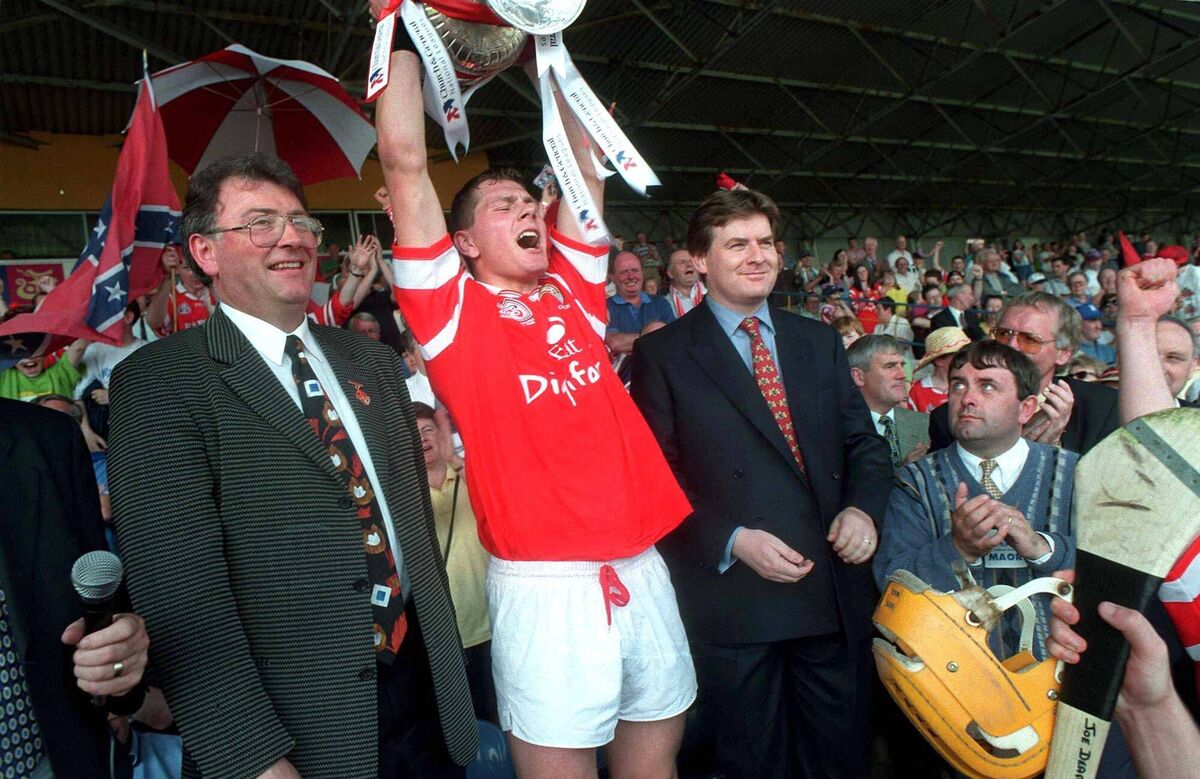
Clare might have been primed and waiting in the next game, but there was no shame in being a bit behind them on the developmental curve. A marker had been laid down and the graph was pointing upwards. The following year, it would accelerate.




 App?
App?


