Farmers being blamed for increased nitrogen in Cork rivers
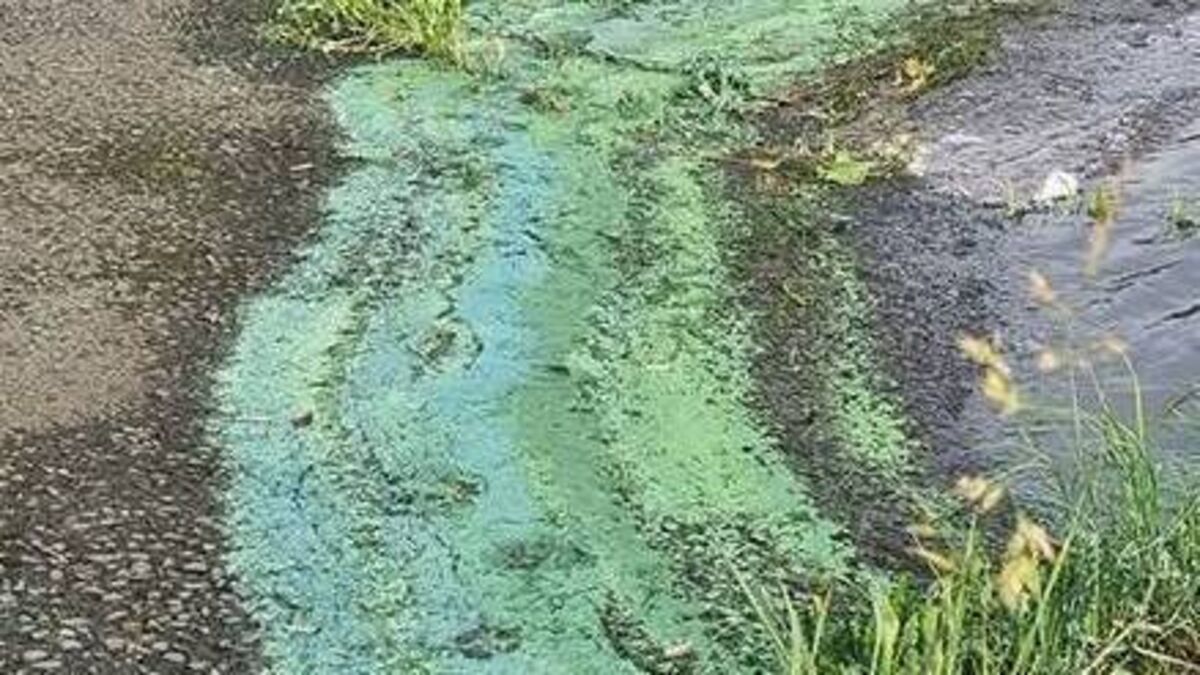
Excess nitrogen can lead to algal blooms, above, block sunlight from reaching underwater plants, cause fish deaths, and make water unsafe for human consumption.
Agriculture is being blamed for a 4.3% rise in nitrogen levels across various Cork waterways.
The Environmental Protection Agency (EPA)’s Early Insight Indicator report on nitrogen levels across Ireland found that rivers and estuaries in the South, South-East, and East had nitrogen levels above ecological thresholds.
Monitoring stations on the River Lee in Cork city and the Bandon and Blackwater rivers in the county were among those recording higher concentrations of nitrogen.
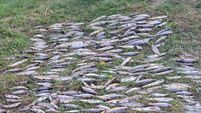
Excess nitrogen can lead to algal blooms, block sunlight from reaching underwater plants, cause fish deaths, and make water unsafe for human consumption — particularly for infants.
EPA programme manager Jenny Deacon said it was “very clear that the greatest source of nitrogen in our waterways is coming from agriculture”.
The EPA said nitrogen levels in rivers fluctuate due to a combination of factors, including source loading, agricultural land management, and weather patterns.
Nitrogen mainly enters rivers through surface run-off and groundwater leaching when excess chemicals are washed off fields. Fertilisers such as urea, ammonium, and nitrate contribute to this.
While annual fertiliser sales figures for this year are not yet published, quarterly figures showed a 7.3% rise in fertiliser nitrogen sales in the six months to the end of March.
“Although fertiliser sales don’t directly reflect the quantity of fertiliser applied or nitrogen losses to the environment, which are influenced by factors such as farm practices and soil type, they remain an indicator of nitrogen loading and a factor in increased nitrogen levels in waters,”
the report said.
Ms Deacon said it was of “greatest concern for rivers and estuaries”.
Rainfall and river flow also influence the movement of nitrogen. Periods of high rainfall may increase nitrogen losses through “leaching, or reduce concentrations through dilution, depending on catchment soil properties and underlying geology”.
Nitrogen levels in the south west are higher due to more intensive farming.
Sponsored Content
Keep up-to-date with the top stories in Cork with our daily newsletter straight to your inbox.
Please click here for our privacy statement.
Have you downloaded your FREE
App?

It's all about Cork!
Add Echolive.ie to your home screen - easy access to Cork news, views, sport and more