Apartment developments underway in Cork an 'encouraging sign' but viability gap is cause for concern
Cork’s skyline is populated with large cranes delivering much-needed housing and, especially, apartment schemes. But can the private sector match the scale of growth needed to home a population predicted to grow by 40% by 2040? Amy Campbell reports.
Apartment developments underway in Cork an 'encouraging sign' but viability gap is cause for concern

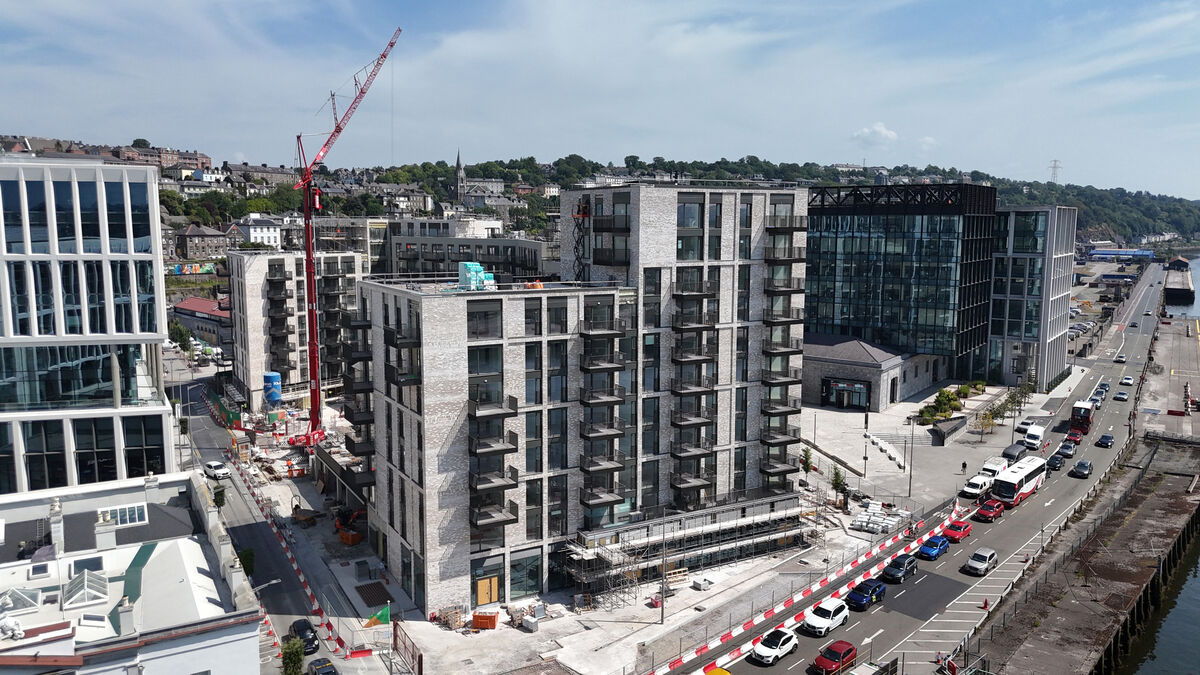
Horgan's Quay residential development by Clarendon/ BAM/ Cork City Council. Picture: Larry Cummins
Cork’s skyline is changing rapidly, with hundreds of new apartments set to be delivered across multiple large scale developments.

But concern has been raised that nearly all of these ongoing projects are being supported by the State in some manner, with the business community saying that this funding cannot last forever and raising concerns about viability of housing delivery in the private sector.

In Cork city, the Land Development Agency (LDA) is partnering with private companies, Cork City Council and State entities to acquire land and build homes – largely apartments in the city centre.

As of May 2026, €74m of a total planned investment of €436m has been spent on Cork projects by the LDA, which is actively involved in a number of projects involving about 1,400 homes, a spokesperson told The Echo.

Read More

The agency is also exploring the potential of two further sites it now owns to deliver in excess of at least another 1,100 homes.

More than 1,100 apartments in the pipeline 

In total, the number of apartments under construction, or with approval, in Cork is approximately 1,175.

This includes Horgan’s Quay, where “work is advancing to completion” on 302 apartments being built in partnership with private companies BAM and Clarendon.

“Further announcements will be made soon in relation to tenure and application process,” the spokesperson said.

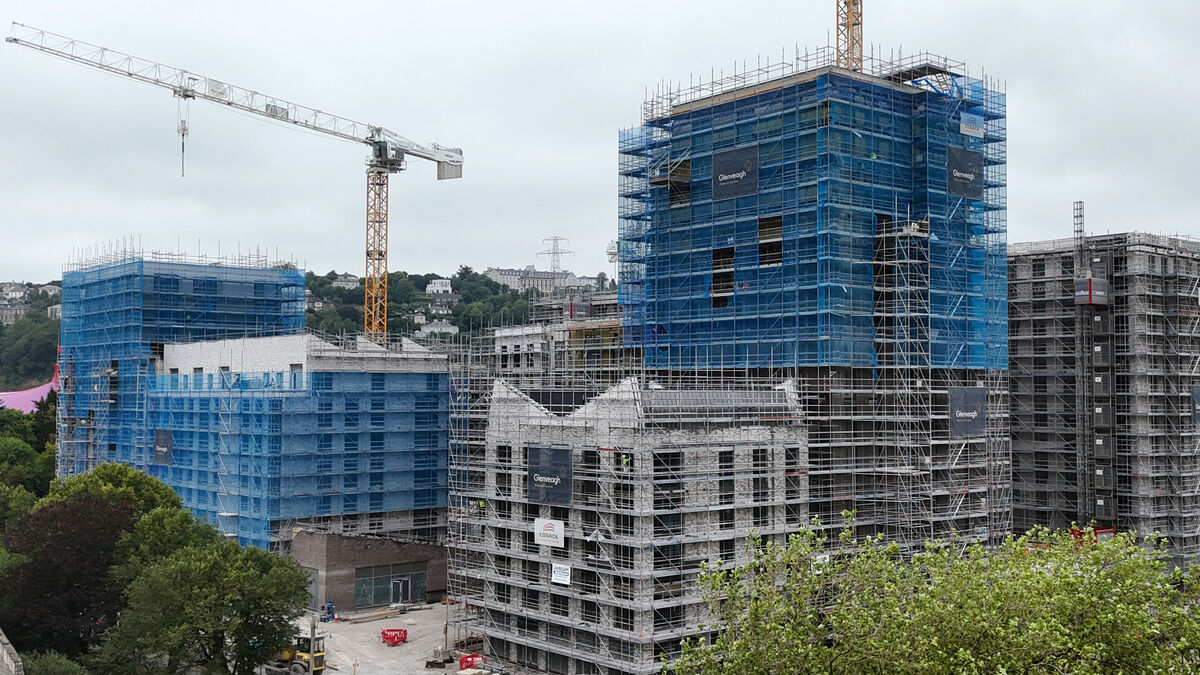
Marina Depot by Glenveagh Homes at Monahan Road, Cork city. Picture: Larry Cummins

The LDA is also in partnership with Glenveagh at Marina Depot where 337 apartments are under construction, with mid-2027 the anticipated date for completion.

Land in Wilton has been transferred by the ESB (Electricity Supply Board) to the LDA, which is planning to commence works on 329 apartments and 16 three-bed townhouses in the last three months of this year.

In February of this year, Cork City Council approved Part 8 planning permission for 147 new cost rental and social apartments at Anglesea Terrace in Cork city centre.

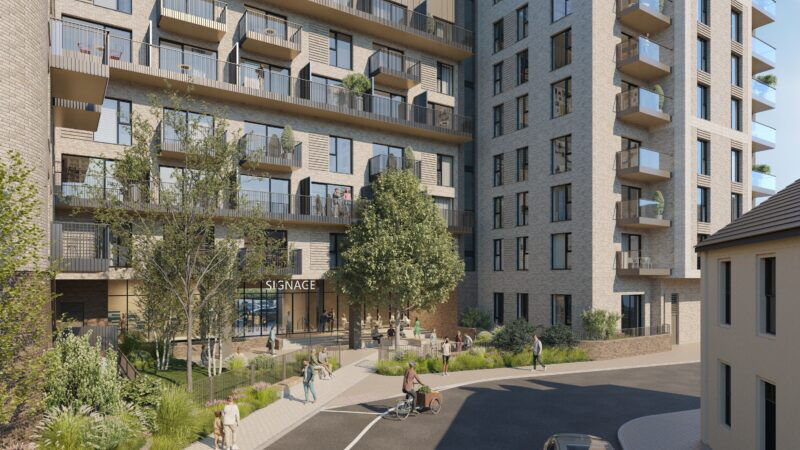
The LDA in partnership with Cork City Council plan to deliver 147 new homes - 72 one-bed and 75 two-bed cost rental and social apartments - at Anglesea Terrace in Cork city. Picture: CGI image 

On completion of the ongoing detailed design process, the project will then move to tender stage, with works targeted to begin in 2027, delivering the first homes in 2030.

The LDA is also working on 60 duplexes and 37 townhouses at St Kevin’s, Shanakiel, which are expected to be completed this year.

Once completed, the tender process for Phase 2 – a creche and 170 homes, with some expected to be apartments – will follow.

Further down the line are plans for the South Docks – in May of this year, Bord na Móna (BnM) completed the transfer of land to the LDA with the potential to deliver 300 homes at Monahan Road.

The land transfer follows engagement between the LDA and BnM regarding the site, which was no longer in active use by BnM.

The LDA spokesperson said: “This site is well located and will have excellent connectivity to Cork city centre.

“Transport Infrastructure Ireland recently announced its preferred route for Cork Luas which includes the Docklands and Páirc Uí Chaoimh Luas stops, both of which are close to the site. The proposed route runs directly in front of the Monahan Road."

The LDA acquired a further 41 hectares from the Industrial Development Authority (IDA) in January with capacity for approximately 1,000 new homes as part of a new neighbourhood.

These homes will benefit from the proposed Kilbarry-Blackpool Rail Station, subject of a planning application that Irish Rail is submitting this month, and the proposed northern distributor multi-modal route.

The area is the subject of a framework plan being prepared by Cork City Council, “and this will determine how the lands can be brought forward for development”, the spokesperson said. 

Former Government minister Simon Coveney, speaking at the Construction Industry Federation’s southern construct earlier this summer, said: “Our apartment market is effectively broken in Ireland.

“If you can’t get cash input or financial support from the state, you’re not building apartments in general.

“If you look at the projects in Cork, they’re all linked to cost rental projects, they’re all linked to social housing, affordable housing and some limited private for sale apartments.”

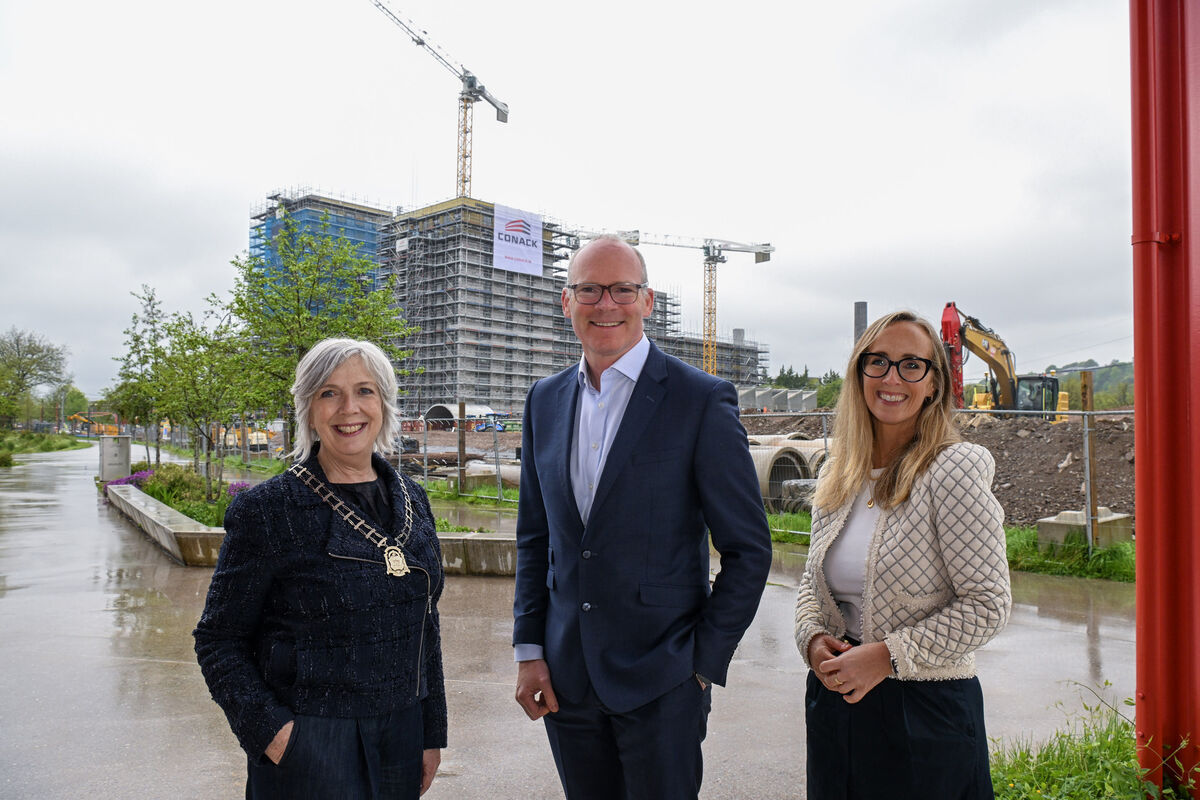
Patsy Supple, chair of the CIF Cork Branch attended the official launch of the CIF Southern Construct Summit 2026 alongside Simon Coveney, managing director of Waterfront Advisory and Joanne Treacy, director of the Southern Region, CIF. Photo: Brian Lougheed

Conor Healy, the chief executive officer of Cork Chamber, told The Echo that housing availability is key to Cork’s overall competitiveness and is thus a critical priority for Cork Chamber members.

“We engage consistently with government and other key stakeholders on behalf of our members to underline the importance of sufficient, affordable housing not only for the region’s businesses, but also to support the broader community and enhance the region’s quality of life offering.”

He said that while the number of ongoing and planned developments across the city and wider metropolitan area at present is an “encouraging sign”, it is also worth noting that almost all of these current developments are benefitting from various support schemes, such as Croí Cónaithe or other social and affordable housing initiatives.

The Croí Cónaithe (Cities) scheme is a fund to support the building of apartments for sale to owner-occupiers which aims to bridge the current “viability gap” between the cost of building apartments and the market sale price, where the cost of building is greater.

Funding is provided for apartment developments where there is a demonstrated viability gap that unless bridged, will lead to the apartments not being built or being built but not available for purchase by owner-occupiers.

It is one of several government schemes encouraging private developers to deliver homes.

Support schemes 'can't go on forever' 

Mr Healy said: “While these interventions are currently needed, they cannot go on forever and in our engagement with government, we continue to call for the introduction of measures that will stimulate the private housing market alongside ongoing support schemes.”

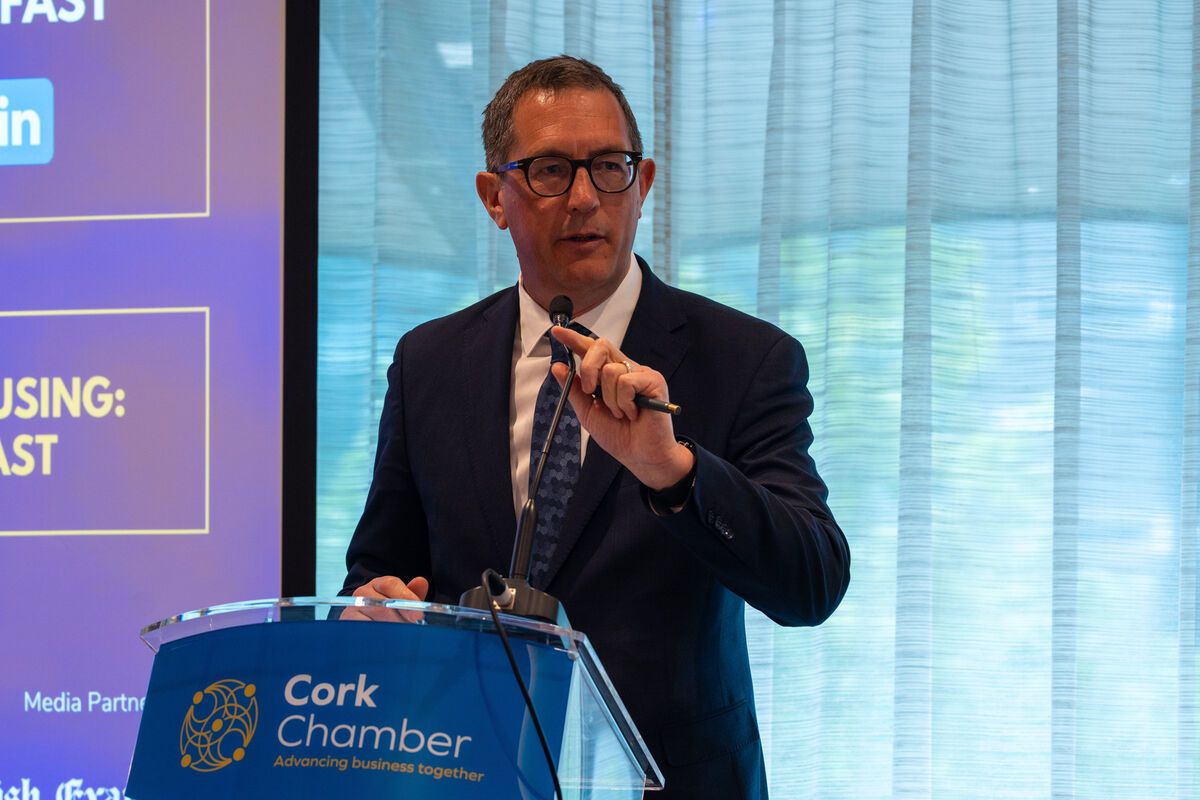
CEO of Cork Chamber, Conor Healy. Picture: Noel Sweeney

He added that the upcoming budget presents a valuable opportunity to do this by directly addressing concerns around viability, particularly when it comes to apartment delivery and brownfield developments in urban areas like Cork, and to ensure more balanced mix of tenure. 

Key support schemes, such as the First Home and Help to Buy schemes, as well as cost-rental initiatives, should also be revised to ensure that income and house price thresholds are in line with the evolution of the housing market in the Cork region, he added.

Mr Healy concluded: “Cork’s population is growing rapidly, with a 40% increase projected by 2040. Supporting this growth and ensuring the region continues to attract talent and investment requires a coordinated approach to future planning.

“Aligning critical infrastructure delivery, across transport, water and electricity, with plans for housing development is vital to accelerate housing delivery across the region and meet the needs of a growing population and economy, supporting Cork’s role as the economic driver of the southern region.”

More in this section

Glanmire's new greenway is officially opened to public Glanmire's new greenway is officially opened to public
In pictures: Foodie fun at Cork on a Fork festival In pictures: Foodie fun at Cork on a Fork festival
Final phase of Carrigaline housing development is approved Final phase of Carrigaline housing development is approved

Sponsored Content

Keeping their house in order: How PSRA regulation has raised the bar for Ireland’s property services sector Keeping their house in order: How PSRA regulation has raised the bar for Ireland’s property services sector
"My master's at UL taught me that structured learning and a demanding career can coexist" "My master's at UL taught me that structured learning and a demanding career can coexist"
Three days of steam, music and heritage at the 62nd National Steam Rally Three days of steam, music and heritage at the 62nd National Steam Rally
Contact Us Cookie Policy Privacy Policy Terms and Conditions

© Examiner Echo Group Limited

Add Echolive.ie to your home screen - easy access to Cork news, views, sport and more