HSE says pressure on Cork University Hospital's ED is now 'year round'
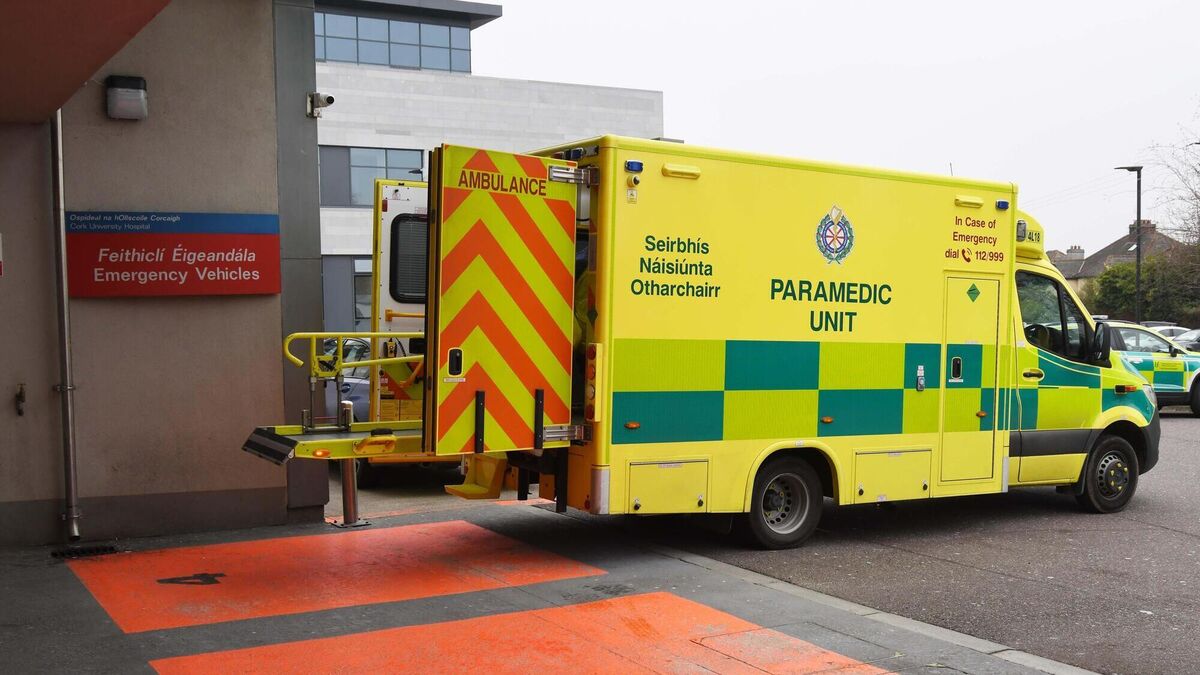
While the pressure on emergency departments is usually greatest in winter, the HSE has said that demand at CUH has become “structural rather than seasonal. Picture: Denis Minihane.
While the pressure on emergency departments is usually greatest in winter, the HSE has said that demand at CUH has become “structural rather than seasonal”, so the pressure is now year-round.
There are also issues with rehabilitation beds, step-down capacity, long-term care placements, and dementia-specific beds.
Other factors blamed for the strain included:
- Patients above 75 accounting for a “disproportionate level of admissions”, with more than 50% requiring admission following presentation;
- Self-presenters increasing by 10%, now accounting for 30% of all ED attendances, the majority of which arrive without prior GP review;
- Ambulance arrivals at CUH having increased by 6%, including a “notable rise in transfers from nursing homes”;
- Patient stays that exceed 14 days continuing to rise due to “downstream capacity constraints”.
The HSE said specific services have been “significantly impacted” by the cessation of insourcing arrangements, including breast services, endoscopy, brachytherapy, paediatric MRI under general anaesthetic, vascular surgery, and paediatric botox services.
It is also having to deal with 250 more hip fracture patients because orthopedic rehabilitation services are no longer available at South Infirmary Victoria University Hospital.
With an average 12-day stay, this equates to a loss of approximately 3,000 bed days per year at the hospital.
Co-founder and director of the Irish Patients’ Association, Stephen McMahon said patients at CUH are “now exposed to greater risks, delays and bottlenecks” due to system failures.
“This didn’t happen overnight, it has developed over years as pressures accumulated without sufficient capacity or long-term planning to address them,” said Mr McMahon.
He said that situation develops when every stage of the patient pathway becomes congested from delays in accessing diagnostics and specialist reviews, to shortages of step-down beds and community care supports.
“Once those bottlenecks build up, the entire system slows down and hospitals become blocked,” said Mr McMahon.
“Pressures once described as exceptional are becoming normalised, particularly for older patients and those with complex care needs,” he added. “To protect patients’ rights to access timely and safe care, action is urgently called for.”







 App?
App?


