'Not a single pharamacy hasn't experienced crime', says Cork pharmacist
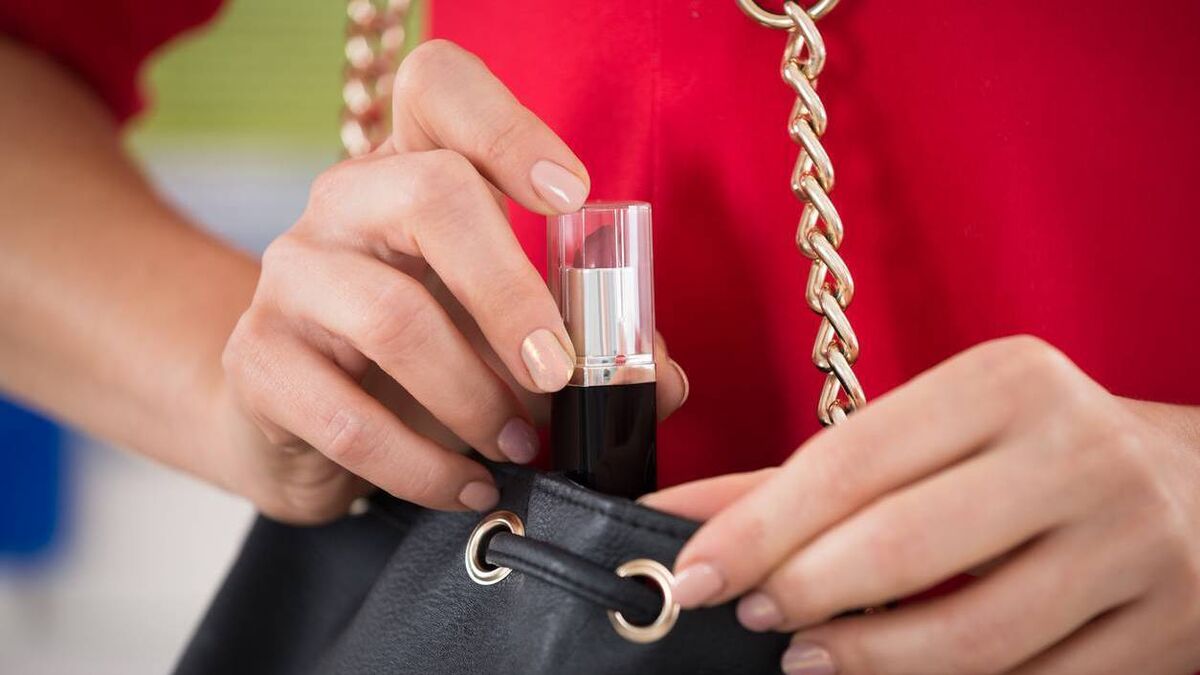
The latest crime survey conducted by the Irish Pharmacy Union showed that 89% of pharmacies had been the victims of criminal activity in the last year — up from 72% in 2020
'Not a single pharamacy hasn't experienced crime', says Cork pharmacist

Shoplifting was the most common crime, at 96%, but raids, fraud, and burglary were also carried out. In 14% of incidents, the assailant had a weapon such as a gun, knife, or syringe.

A Cork pharmacist said she spends over €5,000 a year on security measures to prevent crimes which can be “very frightening” for staff, as data shows that almost 90% of Irish pharmacies experienced a crime in the last year.

“Not a single pharmacy hasn’t experienced crime,” Cork pharmacist and Irish Pharmacy Union (IPU) spokeswoman Caitriona O’Riordan told The Echo.

“I’ve worked in pharmacies in the city centre, in large towns, and in rural villages, and every one has experienced crime. Every day I go into work, I’m aware of it, no matter where I’m working.”

The latest crime survey conducted by the IPU showed that 89% of pharmacies had been the victims of criminal activity in the last year — up from 72% in 2020. The survey revealed 94% of these pharmacies had experienced two or more incidents, with 28% experiencing 10 or more. In addition, 59% of pharmacies reported repeat criminal activity by the same person.

Drugs

Shoplifting was the most common crime, at 96%, but raids, fraud, and burglary were also carried out. In 14% of incidents, the assailant had a weapon such as a gun, knife, or syringe.
“Unfortunately, 10% [of criminal activity] is related to drugs including prescription medication and controlled drugs, which tends to bring a higher danger, and it’s more likely that a weapon can be used,” said Ms O’Riordan.

She lectures to pharmacy students about prescription-related crimes, largely fraud, and safety in case of crime.

“In my own pharmacy, even if it’s a 16-year-old on a part- time job, I always cover in an induction personal safety and where the panic buttons are.

“Pharmacies have two panic buttons to alert gardaí immediately. I also cover an evacuation plan in the case of a raid.”

She said the pharmacy engages with local gardaí and crime prevention officers, but she added that “there’s a low level of prosecution and a lack of faith in the judicial system to adequately punish people”.

Beyond financial loss, estimated at €4,500 annually per pharmacy, the survey found an impact on staff — with 56% of respondents reporting that staff experienced stress or trauma, and one in 10 pharmacies having to close temporarily due to crime.

Visible policing

Of the survey respondents, 89% said there is a need for more visible policing; 91% said tougher sentencing is required, and 58% said they lacked faith in prosecution or legal consequences.

“Anything overtly violent is very frightening, and the threat always exists, but more visible policing has been shown to reduce crime, particularly opportunistic crime,” said Ms O’Riordan.

“We know additional garda resources are in the Government’s action plan, but we’re calling for it to be expedited because crimes against pharmacists are crimes against frontline healthcare workers, and we don’t tolerate it anywhere else.

“Local gardaí are always hugely supportive, but they can only do so much. If something progresses to prosecution and repeat offenders only get a rap on the knuckles, that’s no deterrent. This is frustrating for us and for the gardaí, so we’d welcome tougher sentencing also.”

The survey found 64% of pharmacies increased spending on security in the last year, with the average annual spend estimated at €5,300.

“I’ve spent €5,000-€6,000 a year on new panic buttons, internal and external cameras, and some pharmacies have security scanners at doors or tag high-value items,” said Ms O’Riordan.

“There’s a big cost for us, and we need to see that there are consequences when somebody is apprehended.”

The survey revealed 94% of these pharmacies had experienced two or more incidents, with 28% experiencing 10 or more. In addition, 59% of pharmacies reported repeat criminal activity by the same person.

Common

Shoplifting was the most common crime, at 96%, but raids, fraud, and burglary were also carried out. In 14% of incidents, the assailant had a weapon such as a gun, knife, or syringe.

“Unfortunately, 10% [of criminal activity] is related to drugs including prescription medication and controlled drugs, which tends to bring a higher danger, and it’s more likely that a weapon can be used,” said Ms O’Riordan.

She lectures to pharmacy students about prescription-related crimes, largely fraud, and safety in case of crime.

“In my own pharmacy, even if it’s a 16-year-old on a part- time job, I always cover in an induction personal safety and where the panic buttons are.

“Pharmacies have two panic buttons to alert gardaí immediately. I also cover an evacuation plan in the case of a raid.”

She said the pharmacy engages with local gardaí and crime prevention officers, but she added that “there’s a low level of prosecution and a lack of faith in the judicial system to adequately punish people”.

Beyond financial loss, estimated at €4,500 annually per pharmacy, the survey found an impact on staff — with 56% of respondents reporting that staff experienced stress or trauma, and one in 10 pharmacies having to close temporarily due to crime.

Of the survey respondents, 89% said there is a need for more visible policing; 91% said tougher sentencing is required, and 58% said they lacked faith in prosecution or legal consequences.

Frightening

“Anything overtly violent is very frightening, and the threat always exists, but more visible policing has been shown to reduce crime, particularly opportunistic crime,” said Ms O’Riordan.

“We know additional garda resources are in the Government’s action plan, but we’re calling for it to be expedited because crimes against pharmacists are crimes against frontline healthcare workers, and we don’t tolerate it anywhere else.

“Local gardaí are always hugely supportive, but they can only do so much. If something progresses to prosecution and repeat offenders only get a rap on the knuckles, that’s no deterrent. This is frustrating for us and for the gardaí, so we’d welcome tougher sentencing also.”

The survey found 64% of pharmacies increased spending on security in the last year, with the average annual spend estimated at €5,300.

“I’ve spent €5,000-€6,000 a year on new panic buttons, internal and external cameras, and some pharmacies have security scanners at doors or tag high-value items,” said Ms O’Riordan.

“There’s a big cost for us, and we need to see that there are consequences when somebody is apprehended.”

Read More

Cork TD calls for vacant State buildings in the city to be put to community use

more Cork crime articles

Family of north Cork postman thank public for support Family of north Cork postman thank public for support
Incidents of drug-driving in Cork courts on the rise Incidents of drug-driving in Cork courts on the rise
Man accused of having a steak knife on Cork train Man accused of having a steak knife on Cork train

More in this section

Murphy makes Bafta longlist for role in ‘Steve’ Murphy makes Bafta longlist for role in ‘Steve’
‘Despicable’: Cork University Hospital shell out €315k to chase up unpaid fees   ‘Despicable’: Cork University Hospital shell out €315k to chase up unpaid fees  
Judges gavel in courtroom legal trial and law background Cork teen charged with having €52k worth of drugs at home

Sponsored Content

Top tips to protect Ireland's plant health Top tips to protect Ireland's plant health
River Boyne in County Meath, Ireland. Water matters: protecting Ireland’s most precious resource
Turning AI ambition into action: Dell Technologies leads the way Turning AI ambition into action: Dell Technologies leads the way
Contact Us Cookie Policy Privacy Policy Terms and Conditions

© Examiner Echo Group Limited

Add Echolive.ie to your home screen - easy access to Cork news, views, sport and more