Discovery of woman's body in West Cork a ‘miracle’, inquest hears
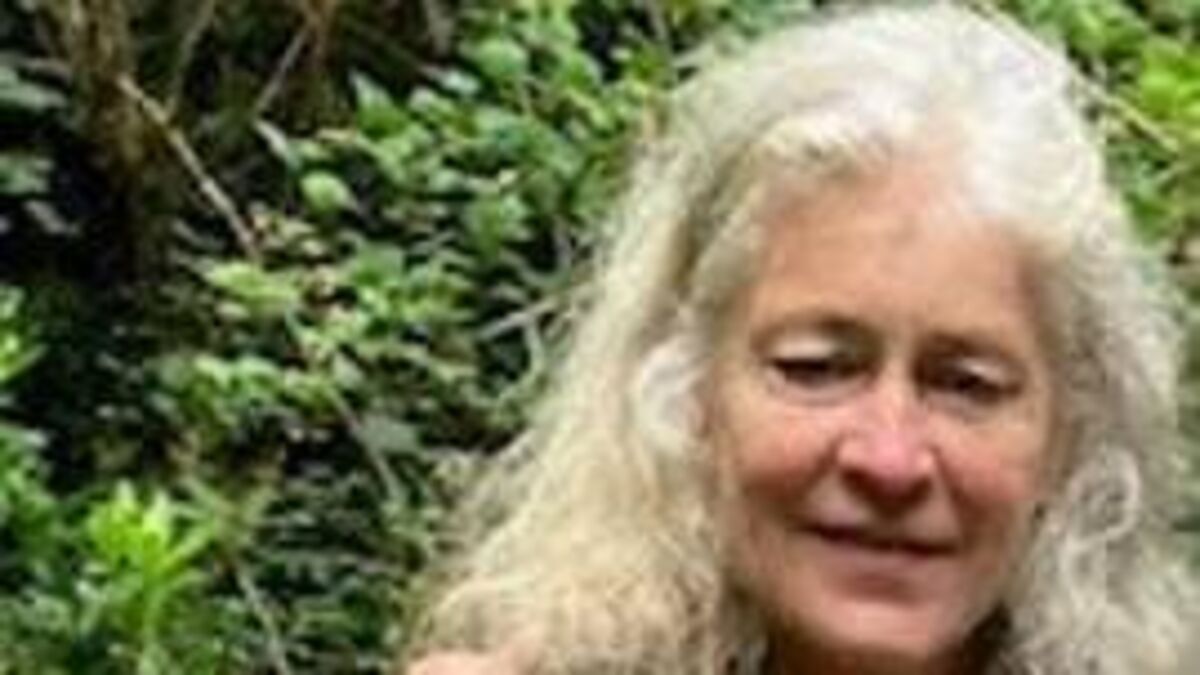
The Coroner’s Court in Bantry, Co Cork heard that Maureen O’Connor lived “off grid” in a wooden building in Skehill in Glengarriff.
The discovery of the body of a 69-year-old woman who died of hypothermia after she fell into a 6ft deep ravine in an extremely remote part of West Cork was nothing short of a “miracle”, an inquest has heard.
The Coroner’s Court in Bantry heard that Maureen O’Connor lived “off grid” in a wooden building in Skehill in Glengarriff.
Maureen was reported missing from her home on October 25, 2023, by neighbours who expressed concern for her welfare, having not seen her for a period.
She had happily resided in the building on a hill for 25 years. Maureen was predeceased by her long-time partner Eamonn.
Mandana Ruane, a volunteer with Castletownbere Coastguard, participated in the search for Maureen. It continued for several days until her body was found on the morning of November 1, 2023.
Ms Ruane said that they were searching an isolated area around 170m from Maureen’s house which had long grass and gorse. She stated that the area was in turns “boggy and rocky” and “very slippery”. When she was positioned at a steep gully covered in gorse, Ms Ruane spotted items of interest including a wellington boot, a jacket, and a jersey. The Coroner asked her if it was particularly difficult terrain, and Ms Ruane agreed that it was.
“I slid there,” she said. “I think she [Maureen] fell. The clothes were folded to one side [next to her body]. The welly was not attached to a foot. I could see the body.”
Gardaí, Cork West Civil Defence, the Search and Rescue Dog Association of Ireland, West Cork Underwater Search and Rescue, Cork City Missing Persons Search and Recovery and the Coastguard Units had participated in the search for Maureen. Locals and Rescue 115 also assisted in the combing of the area for the much-liked local woman.
Ms Ruane said that it took a massive effort to recover the body of the deceased from the very challenging hillside.
Coroner Frank O’Connell said that it was a “miracle” that Maureen was found.
The inquest heard that the body was not visible to persons walking in the area. Ms Ruane had only found her because she had got on all fours in difficult conditions. Ms Ruane said that the search had involved the deployment of a “lot of people, dogs, drones, a helicopter and scuba divers.”
Both Mr O’Connell and Garda Inspector Triona O’Mahony commended all those who participated in the search for the incredible effort they went to to find Ms O’Connor. Mr O’Connell said that the “vigilance” shown was quite admirable.
Local man Alan Callander is understood to have been the last person to see Ms O’Connor alive. He said that Ms O’Connor had dementia and she was no longer driving.
He said that she was walking on the road at about 5.30pm on October 24, 2023. He gave her a lift and offered to bring her shopping up to her home. He suggested to her that it might be better if she moved closer to the town and she said she would consider it. Mr Callander also assisted in the search every day until Maureen was found.
Garda Colm Spring said that Ms O’Connor lived in a self-built wooden structure that had no electricity or running water. He indicated that when neighbours reported her missing gardaí checked with all the hospitals in Cork in case she had become ill and was undergoing treatment.
Mr O’Connell put it to a second Garda, John O’Shea, that Ms O’Connor had lived an “off-grid” life.
Gda O’Shea agreed that this was the case. He said her home was uphill and involved the crossing of a stream before you could get to it.
He stated that the area where the body of the pensioner was found was a location that she liked to visit.
Gda O’Shea told the Coroner that the deceased had many cats. It was his understanding from an account given by Mr Callander that Maureen had possibly gone to pick up cat food she stored under a car when the accident happened. He said Maureen also loved the scenery in the area.
“She loved that area,” he said. “It was a viewing spot for her. It is slippery, but there is beautiful scenery. She enjoyed it there.”
Gda O’Shea said that his belief was that Maureen had returned home on October 24 and possibly died the following day when she went to collect the batch of cat food.
Assistant State Pathologist, Dr Margot Bolster, who carried out a postmortem on Ms O’Connor, indicated that a hand torch had been found near the body of the deceased. Her clothing was “heavily soiled” and she had brush and scratch marks consistent with her having attempted to extricate herself from the ravine.
There was no suggestion of third-party involvement or foul play in the case. Dr Bolster noted that there was evidence of Alzheimer’s disease in the deceased.
She said whilst there was no apparent cause of death, the pensioner had worn wet clothing outdoors for a significant period of time and, in all likelihood, died of hypothermia.
She said that Maureen had engaged in “paradoxical undressing” which is consistent with hypothermia. This occurs during moderate and severe hypothermia, as the person becomes disoriented and confused they may begin discarding their clothing. Sadly, this in turn increases the rate of heat loss.
Dr Bolster added that the knee joints of the deceased were also very discoloured. This is frequently seen in persons with hypothermia. A verdict of accidental death was recorded.
Maureen is survived by her five siblings, their partners and her nieces and nephews who said in her death notice that their loved one had “moved on to her next great adventure and is finally at peace with [her partner] Eamonn.”
Locals described Maureen as an artistic, gentle, and sweet-natured woman.







 App?
App?


