'Decision should not be the subject of backroom deals': Call for rethink on how Cork elects Lord Mayor
If the system proposed by Independent councillor Paudie Dineen had been in place during the June 7 election, those elected Lord Mayor would have been Tony Fitzgerald (FF), Ken O’Flynn (Ind), Shane O’Callaghan (FG), Terry Shannon (FF), and Fergal Dennehy (FF).
'Decision should not be the subject of backroom deals': Call for rethink on how Cork elects Lord Mayor

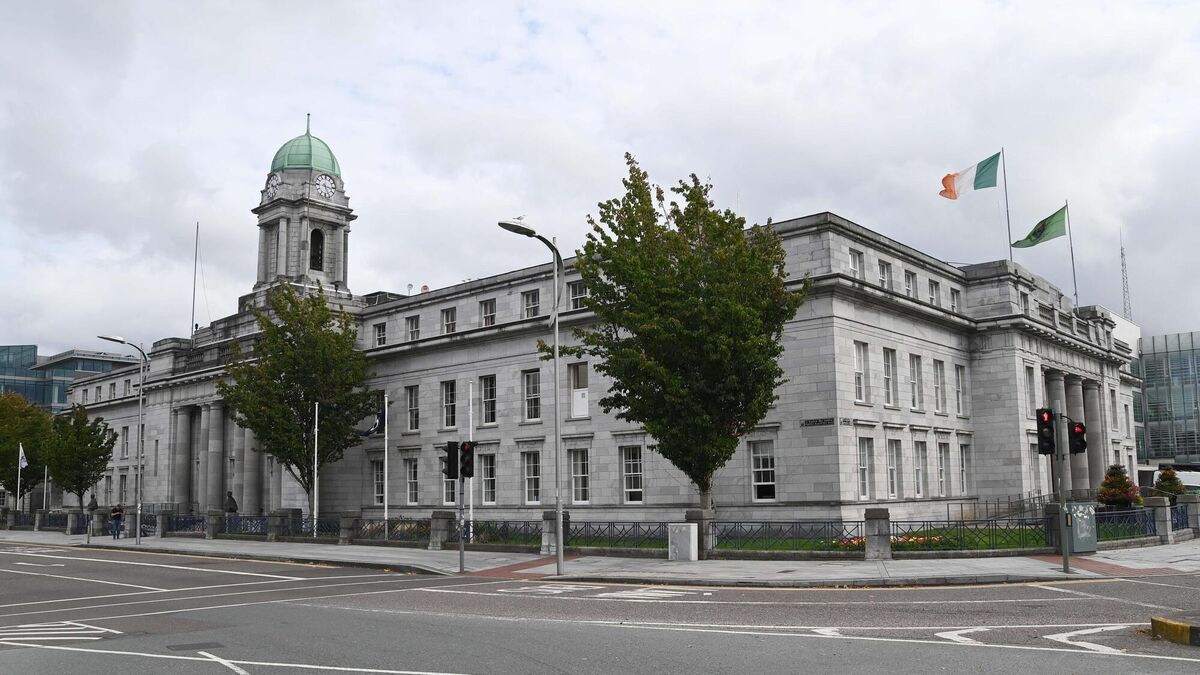
A MEMBER of Cork City Council has called for a rethink of the way in which Leeside elects its first citizen, saying “it’s time we had a people’s Lord Mayor”.Picture Denis Minihane.


A MEMBER of Cork City Council has called for a rethink of the way in which Leeside elects its first citizen, saying “it’s time we had a people’s Lord Mayor”.

Independent councillor Paudie Dineen told last week’s annual general meeting of the city council that a change was needed to the way in which Lords Mayor are chosen in Cork, saying there was need for greater transparency and democracy in the process.

Mr Dineen told The Echo that his comments had come from a sense of unfairness at the way electoral pacts run the council, excluding, he said, many councillors.

“My issue is that in each term at least one third, or maybe more, of the chamber is omitted from ever experiencing the honour or the delight of being elected Lord Mayor, primarily by those who form their pact.

“I feel that it’s time that we change how we elect our Lord Mayor, I think it’s time to be more open and I think it’s time we had a people’s Lord Mayor.” Mr Dineen said a change in the process whereby the Lord Mayor is elected would not need any change of legislation, because the position is largely ceremonial.

He said his proposal would be that the councillor who tops the poll in each ward would automatically become a candidate for the position of Lord Mayor.

Mr Dineen proposed some terms and conditions, suggesting that no first-time councillor could become Lord Mayor, and that no councillor could be Lord Mayor more than twice.

“There’s merit to it, I think it’s fair, you [wouldn’t] have councillors scurrying around corridors going into private meetings, trying to assert themselves into positions or being gifted positions by a certain few.

“Basically, it’s open to all and it’s the people’s vote and you can’t argue with the people,” he said.

If the system proposed by Mr Dineen had been in place during the June 7 election, those elected Lord Mayor would have been Tony Fitzgerald (FF), Ken O’Flynn (Ind), Shane O’Callaghan (FG), Terry Shannon (FF), and Fergal Dennehy (FF).

Fianna Fáil’s Terry Shannon noted that Mr Dineen had been part of the group which elected Mick Finn Lord Mayor in 2018.

“It’s very democratic when some people are in what they call electoral pacts, but not so much when they are not in them, because they’ve excluded themselves,” Mr Shannon said.

Mr Dineen countered that while he had indeed helped elect Mr Finn, it had been part of the d’Hondt system, a form of proportional representation used in the council at the time.

Meanwhile, newly elected Social Democrats councillor Pádraig Rice used his opening speech to call for a modernisation of how the council is run.

Mr Rice said Cork deserved a directly elected mayor, something he said would strengthen local democracy.

“The decision on who should be mayor should rest with the people of Cork and not be the subject of backroom deals,” he said.

He added that the recent election of Limerick’s directly elected mayor would bear watching.

“If it works in Limerick, there is no reason why it won’t work in Cork,” he said.

Calling for greater transparency, Mr Rice said Fianna Fáil, Fine Gael, the Green Party and the Labour Party should publish the deal they had agreed in Cork City Council.

A 2019 plebiscite on the issue of a directly elected mayor for Cork was defeated by a margin of 983 votes.

A directly elected mayor would be responsible for drafting City Hall’s budget and have the main policymaking role at the local authority.

Concerns centred on how a mayor with executive powers could reduce the powers of elected representatives, and that it might erode the office’s traditional duties.

Mr Shannon agreed that the performance of Limerick’s new mayor would bear watching, suggesting that it might not prove “the panacea of change” that some imagined.

“What struck me when I watched his inauguration inside in a church with robes and chains, I didn’t see anything new there,” he said.

Mr Shannon added that, in his opinion, a reform of public administration was needed.

“We have public administration, we don’t have local government, that’s the argument I’ve been having all along,” he said.

More in this section

Gardaí in Cork seek the public's help in finding missing 15-year-old girl Gardaí in Cork seek the public's help in finding missing 15-year-old girl
Hotel planned for the former National Irish Bank on Cork's South Mall Hotel planned for the former National Irish Bank on Cork's South Mall
Man in his 40s arrested following fatal Cork city stabbing  Man in his 40s arrested following fatal Cork city stabbing 

Sponsored Content

The power of the G licence The power of the G licence
Happy couple receiving new house keys from real estate agent Time to get to grips with changes in rental laws
Boatbuilder turned engineer proves alternative paths can lead to success Boatbuilder turned engineer proves alternative paths can lead to success
Contact Us Cookie Policy Privacy Policy Terms and Conditions

© Examiner Echo Group Limited

Add Echolive.ie to your home screen - easy access to Cork news, views, sport and more