UCC research breakthrough could have consequences for the future of computing
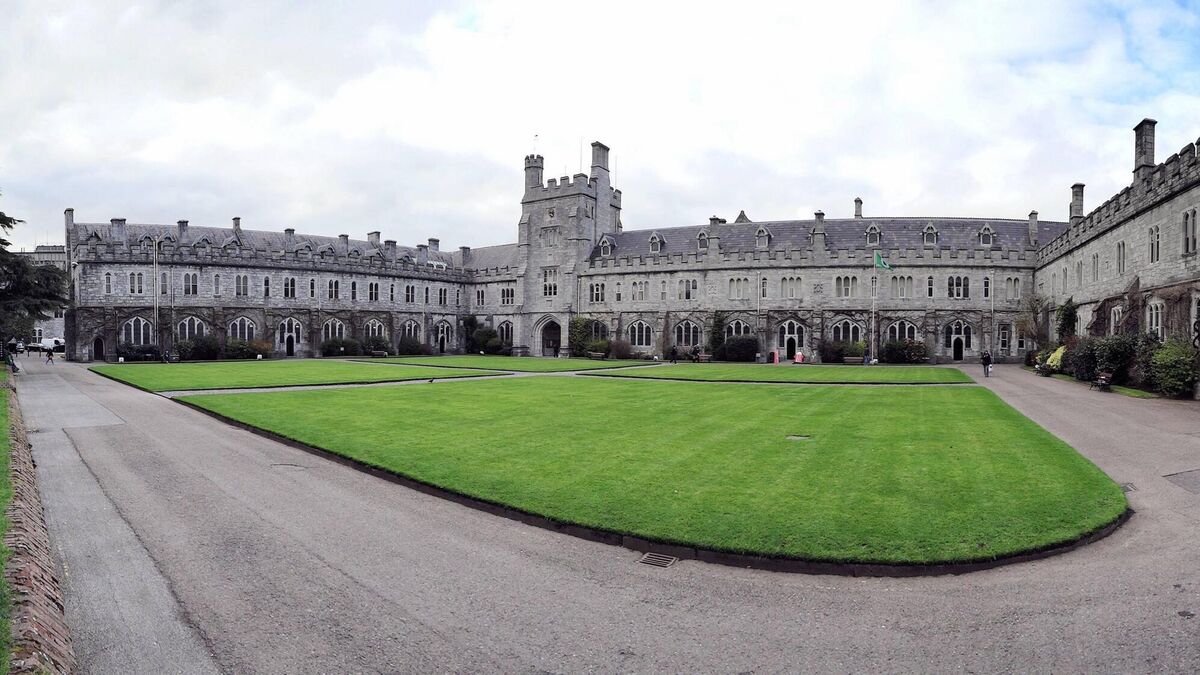
Researchers at the Macroscopic Quantum Matter Group laboratory at University College Cork (UCC) have discovered a spatially modulating superconducting state in a new and unusual superconductor, Uranium Ditelluride (UTe2).
UCC research breakthrough could have consequences for the future of computing

Researchers in UCC, using one of the world’s most powerful quantum microscopes, have made a discovery that could have consequences for the future of computing.

Scientists in Cork using one of the world’s most powerful quantum microscopes have made a discovery that could have consequences for the future of computing.

Researchers at the Macroscopic Quantum Matter Group laboratory at University College Cork (UCC) have discovered a spatially modulating superconducting state in a new and unusual superconductor, Uranium Ditelluride (UTe2).

Explaining their finding, which has been published in the prestigious journal Nature, lead author Joe Carroll, a PhD researcher working with UCC Professor of quantum physics Séamus Davis, said: “Superconductors are amazing materials, which have many strange and unusual properties.

“Most famously, they allow electricity to flow with zero resistance. That is, if you pass a current through them, they don’t start to heat up. 

“In fact, they don’t dissipate any energy despite carrying a huge current.

“They can do this because, instead of individual electrons moving through the metal, we have pairs of electrons which bind together. 

“These pairs of electrons together form macroscopic quantum mechanical fluid.

“What our team found was that some of the electron pairs form a new crystal structure embedded in this background fluid. 

“These types of states were first discovered by our group in 2016 and are now called electron pair-density waves.
“These pair-density waves are a new form of superconducting matter, the properties of which we are still discovering.”

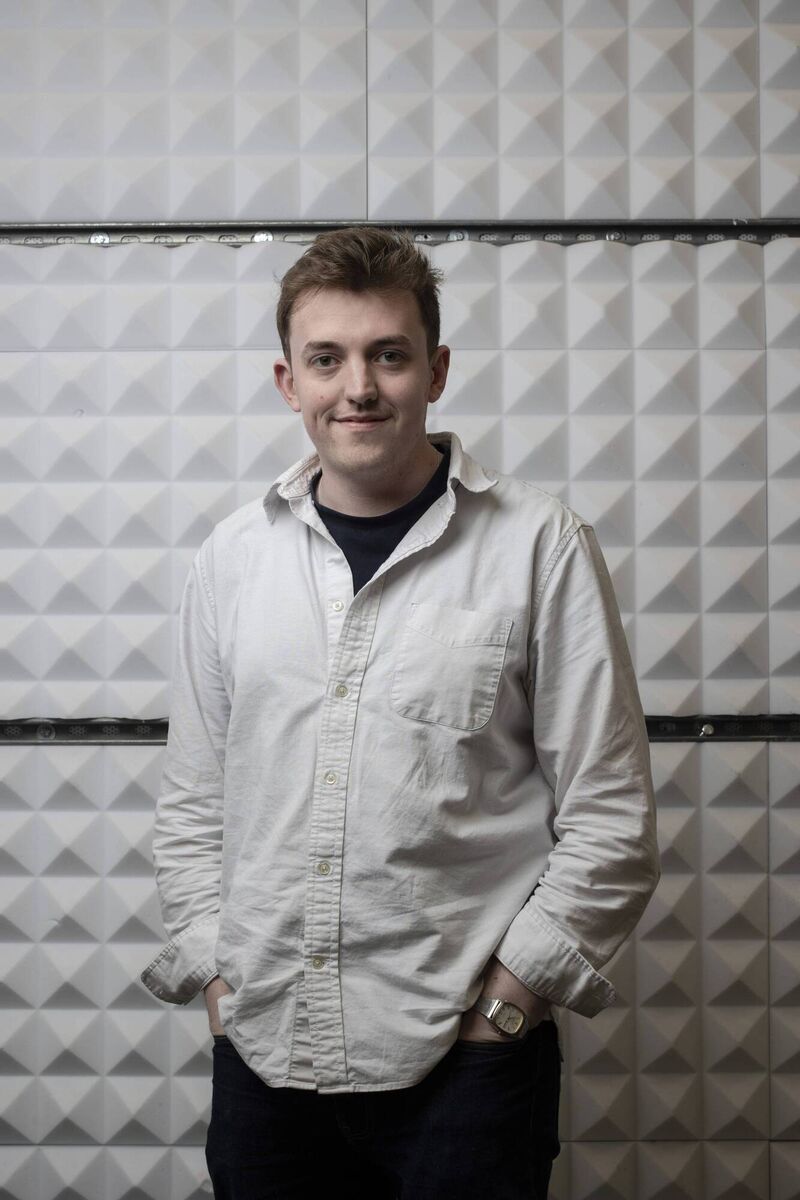
Lead author Joe Carroll, a PhD researcher working at the Macroscopic Quantum Matter Group laboratory in University College Cork. Picture: Clare Keogh

When asked about the practical implications of this work, Mr Carroll said:

“Typical, classical computers use bits to store and manipulate information. 

“Quantum computers rely on quantum bits or qubits to do the same. 

“The problem facing existing quantum computers is that each qubit must be in a superposition with two different energies, just as Schrödinger’s cat could be called both ‘dead’ and ‘alive’.
“This quantum state is very easily destroyed by collapsing into the lowest energy state — ‘dead’ —thereby cutting off any useful computation,” he added.

Mr Carroll said, however, since its discovery, there has been a huge amount of research on UTe2, with evidence pointing to it being a superconductor that may be used as a basis for topological quantum computing.

“In such materials, there is no limit on the lifetime of the qubit during computation, opening up many new ways for more stable and useful quantum computers.”

Read More

Fairhill community teams up with US university to promote and improve neighbourhood 

More in this section

Public representatives voice concern for Manna delivery pilot in Cork Public representatives voice concern for Manna delivery pilot in Cork
Film shot on Cork's northside wins big at Irish film awards Film shot on Cork's northside wins big at Irish film awards
Web access and telephone connection restored to hundreds of northside residents  Web access and telephone connection restored to hundreds of northside residents 

Sponsored Content

Heads are turning for pharmacy investment property in the heart of buzzing Charleville Heads are turning for pharmacy investment property in the heart of buzzing Charleville
Charity places available for Cork City Marathon Charity places available for Cork City Marathon
Turning risk into reward: Top business risks in 2026 Turning risk into reward: Top business risks in 2026
Contact Us Cookie Policy Privacy Policy Terms and Conditions

© Examiner Echo Group Limited

Add Echolive.ie to your home screen - easy access to Cork news, views, sport and more