Treasure trove found in Cork reveals women’s role in fight for independence
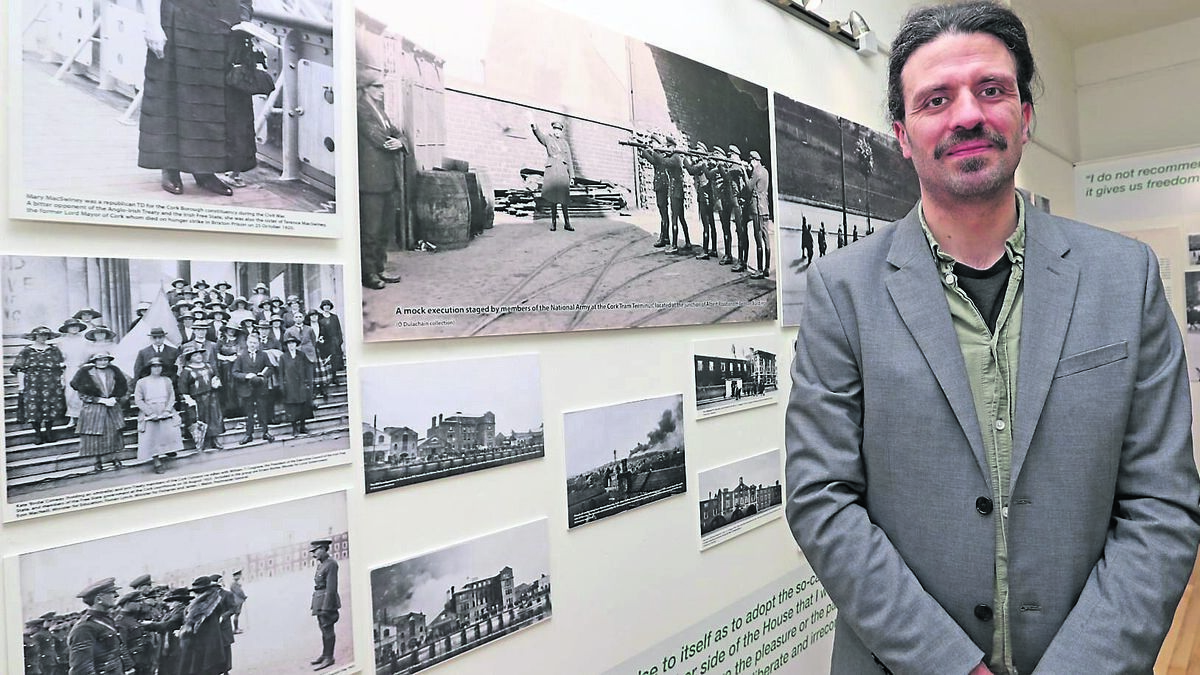
Dan Breen, Curator Cork Public Museum. Pictures: Jim Coughlan.
IRELAND’S largest single-source Cumann Na mBan collection might have been lost to history forever were it not for the dedication of curator Dan Breen and his colleagues at the Cork Public Museum. The team is urging anyone with information on historical artefacts in their possession to contact them for guidance.
Over the years they have braved attics all over Cork and one trip resulted in the discovery of one of their most treasured exhibition pieces.
An archive containing letters, minute books and photographs once owned by sisters and leading Cumann na mBan members May and Lil Conlon has become a leading attraction at the museum. The idea behind the collection is to shed light on the role women played in the events leading up to Irish independence.
Housed in a mid-19th century building within Fitzgerald Park in the Mardyke area of the city, the museum’s exhibits focus mainly on Cork history and archaeology.
Acquired from a family member of the Conlon sisters in 2007, Dan recalled how he-with the help of a student-braved dust and pigeon excrement to make the discovery.
"It all started in 2007. I was only here a couple of years at that stage. We received a call from a member of the public saying they were selling a house in Sunday’s Well."
He believed his aunts may have been involved in the Cumann na mBan and was wondering if someone from the museum could have a look through their attic.”
Dan spent hours sifting through the clutter until eventually striking gold.
“I knew early on that we couldn’t take everything,” he said. “The place was rammed full of material but we had to be very specific in what we were taking from the war of independence and the Civil period. It became very obvious very quickly that we had stumbled on treasure.
"That might not have been gold or jewels. However, these were very precious documents that we were able to rescue.
"The documents in their entirety make up about 15 drawers and several other boxes. There was a lot of personal stuff that the family accumulated as well including drivers’ licenses, old clothes, old telephones and electricity bills. We didn’t focus on that stuff because the predominant focus was on the War of Independence and Civil War.”
Mr Breen admits he never heard of the Conlons prior to the remarkable discovery.
“Like most people in this job I didn’t know who they were. I had never heard of the Conlons prior to that collection. If we hadn’t found that collection I still wouldn’t know about the Conlons today. This selection has opened up a massive window into their lives and the role they played. The Cumann na mBan played a very important role in fundraising and supporting the Irish volunteers and prisoners. They also ran events to raise funds for widows and to get weapons and ammunition. One of the things to have come out of the decade of centenary was the role of women.
Book
"The very first book written on Cumann na mBan was penned by Lil Conlon many years later in the 50s.
"She used all those documents we found to write that book. We even found a transcript of the handwritten copy and later purchased the printed edition at an auction.”
Mr Breen opened up about the contents of the collection.
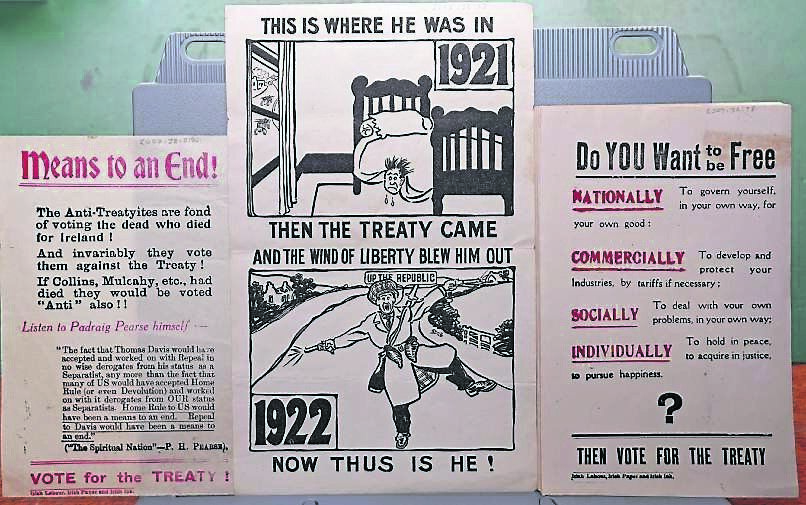
“It’s an absolute variety of different material. The sisters were obviously very republican. They were nationalists so there were postcards relating to the 1916 rising and various other memorial leaflets.”
Part of the sisters’ story hones in on the extreme lengths Lil and May adopted to raise awareness of the cause.
“Everything that was being written about political and military situations- including leaflets pamphlets and booklets- that would have been available to the public at the time is in the collection.
"Lil ended up in prison for a leaflet she put together saying that the police were killing children in Cork. She was arrested and put into prison for several months.
"In any war there is propaganda and this was a piece to really push home the message that the British were evil.”
Fascinating letters exchanged between the sisters during Lil’s prison stay take pride of place in the museum.
“Lil was arrested and thrown into a women’s prison very close to where she was living in Sunday’s Well. We have all the letters between her and her sister. There must be 40 letters in the museum altogether.”
He shed light on how the collection is offering people a broader understanding of local history.
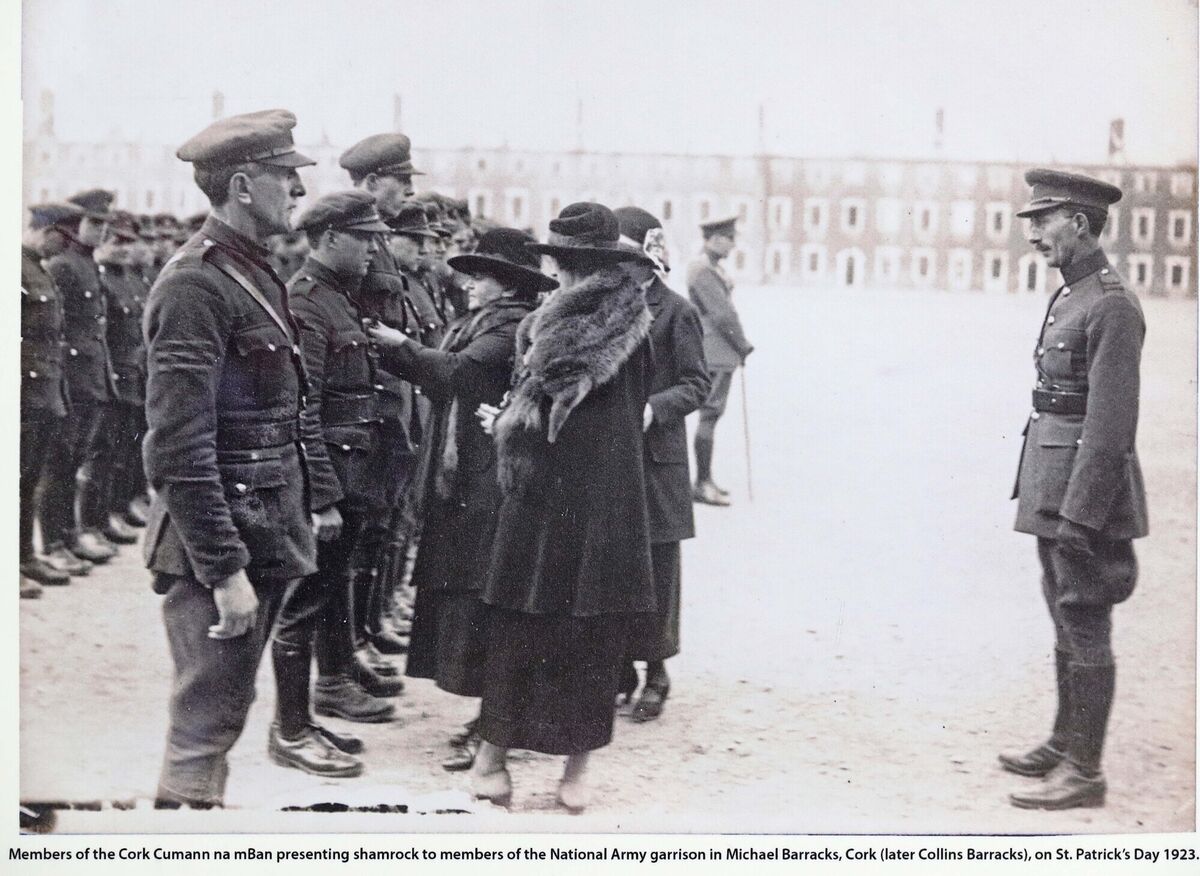
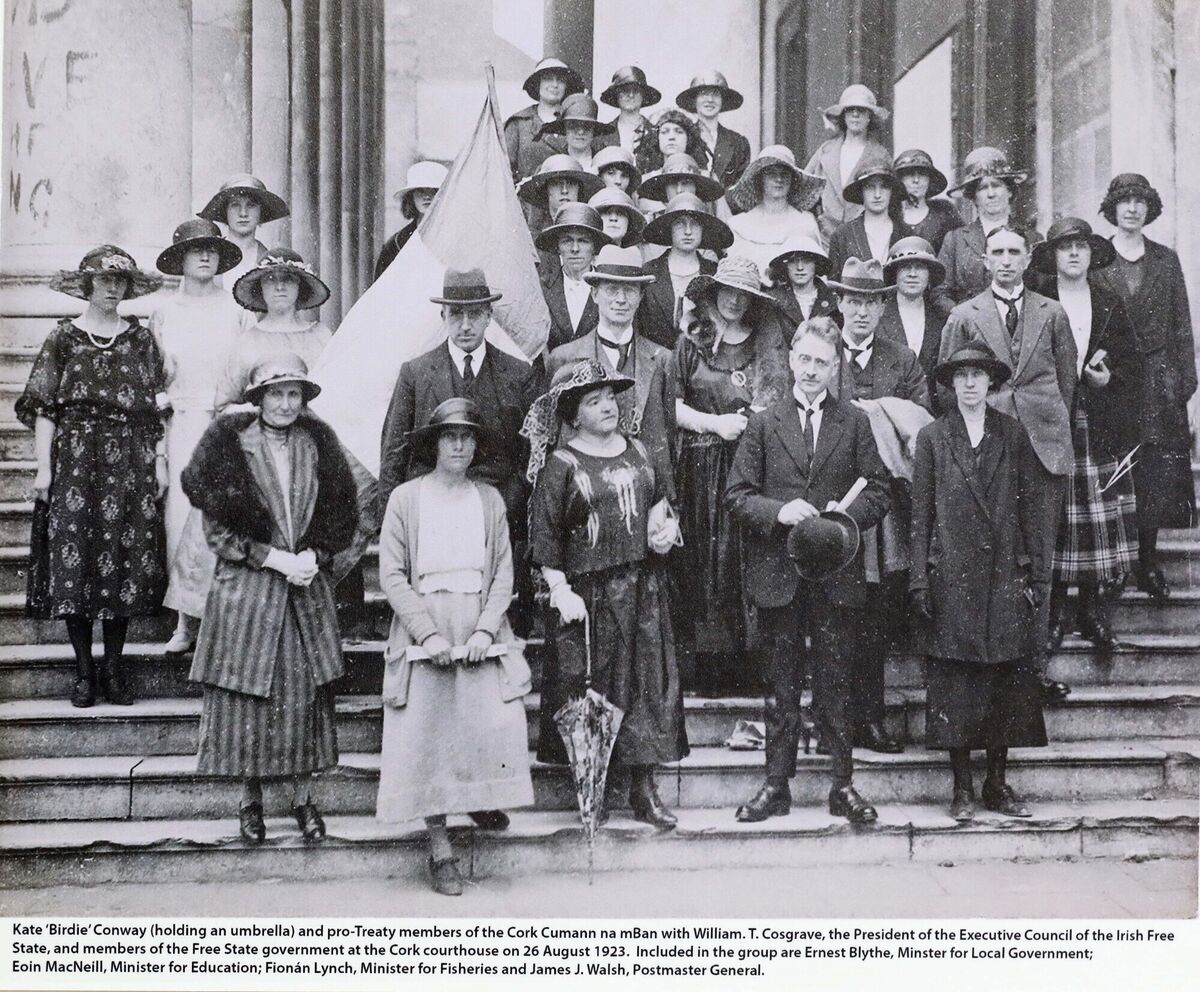
“The collection has proved invaluable because there was a very bitter split in the Cumann na mBan after the treaty. The vast majority of Cumann na mBan members in Cork were pro-treaty.
They were the only ones in the country to go pro-treaty. May Conlon played an instrumental role in the leadership of that pro-treaty movement. She was communicating with the anti-treaty side led by Mary McSweeney-Terrence McSweeney’s sister.
"The collection gives us a very rare insight into what was happening at a local level in relation to not only the Cumann na mBan members in Cork, but also their interactions with Dublin.
"If we hadn’t got the collection or it had been dumped the public at large would have been denied the opportunity to understand that kind of period better.”
Check the attic
He advised people to check their attics for similar artefacts.
“This is a reminder to people at home that if you find stuff in the attic and you’re not fully sure what it is, you can contact the museum or your local library because they’ll be able to point you in the right direction.
"There is very important stuff hiding in people’s attics that they probably don’t know they have.”





 App?
App?


