‘Chemsex’ participants attend for HIV testing at Cork Sexual Health centre
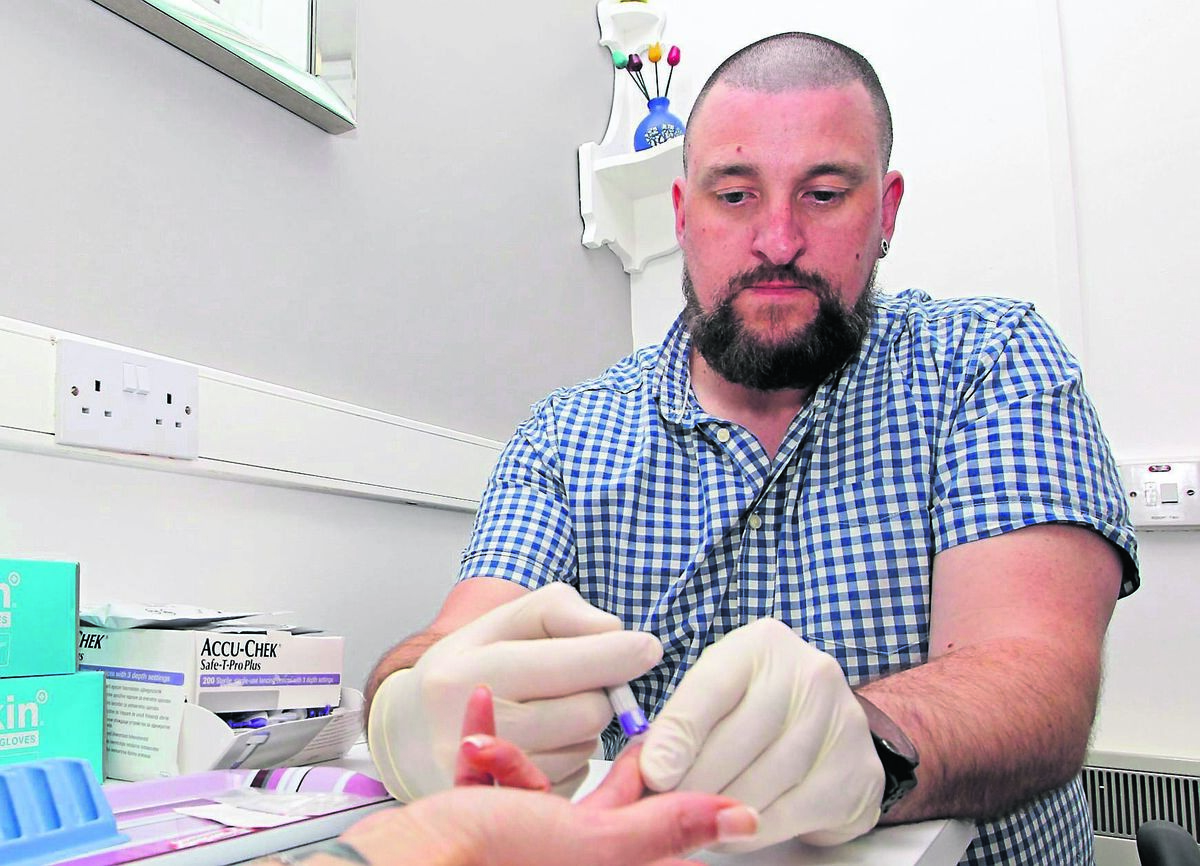
Phil Corcoran, a senior health promotion officer at the Sexual Health Centre in Cork City, is urging anyone who may have taken part in group sex activities without precautions to come forward for testing for sexually transmitted infections or diseases.
‘Chemsex’ participants attend for HIV testing at Cork Sexual Health centre

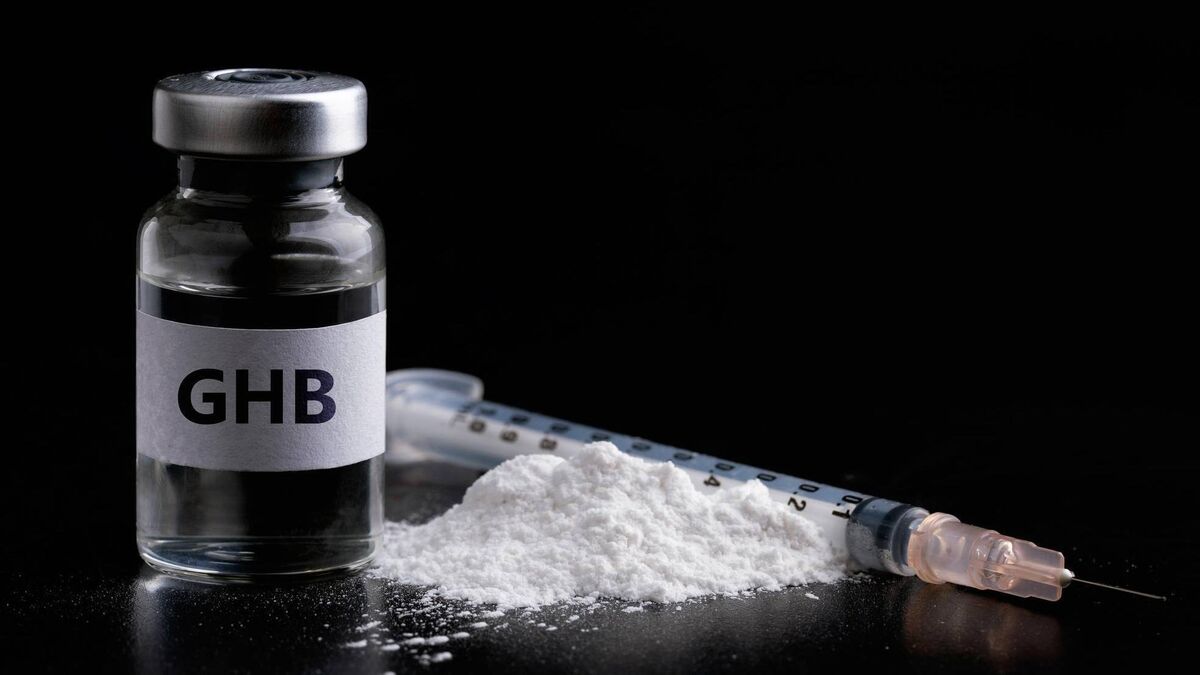
The act is described as intentional sex under the influence of psychoactive drugs, mostly among men who have sex with men. It refers specifically to the use of sexually disinhibiting drugs such as mephedrone, gamma hydroxybutyrate (GHB), gamma butyrolactone (GBL), and crystallised methamphetamine. Picture: iStock
A NUMBER of so-called “chemsex” participants have presented for HIV testing at Cork’s Sexual Health Centre sparking warnings about the trend’s sometimes dangerous and darker elements.

HIV activist and researcher David Stuart initially led global efforts to reduce the harms of chemsex, a term he was responsible for coining before his death in January. The advocate had drawn on his own experiences to help people, mostly men, reduce the harms of chemsex.

The act is described as intentional sex under the influence of psychoactive drugs, mostly among men who have sex with men. It refers specifically to the use of sexually disinhibiting drugs such as mephedrone, gamma hydroxybutyrate (GHB), gamma butyrolactone (GBL), and crystallised methamphetamine.

Phil Corcoran, a senior health promotion officer at the Sexual Health Centre in Cork City, is urging anyone who may have taken part in group sex activities without precautions to come forward for testing for sexually transmitted infections or diseases.

Mr Corcoran emphasised that the organisation has a non-judgemental policy when it comes to the lifestyles of service users and just wants them to remain healthy and safe.

He said some people active on the chemsex scene have presented for HIV testing. While this is a worrying trend, he praised those coming forward to protect their sexual health.

“Chemsex isn’t something that is geographically limited,” Mr Corcoran said. “It can take place anywhere, from someone’s home to a hotel. There are no limits on the number of people at a sex party.

“Judgement does not enter the equation for us. Our main concern is that people are aware of the pitfalls that can be involved when making these choices.”

Mr Corcoran added that chemsex sessions can range in duration from hours to days.

“Injections can lead to an increase in blood-borne viruses such as HIV,” he warned. “Additionally, the use of condoms while under the influence of drugs may be less likely.

What we are advising people to do is set down ground rules while sober and avoid sharing any drug paraphernalia like needles, or notes and straws for snorting.

“If we are dealing with a person engaging in chemsex, we always recommend the use of PrEP medication, which is used to protect against HIV.”

PrEP is taken by HIV-negative people to reduce their chance of getting HIV from having sex without a condom and from sharing needles or equipment to inject or use drugs.

“While we can never say that drug use is harm-free, we can advise on the supports available relating to harm reduction measures,” Mr Corcoran said.

“Crystal meth in particular can be quite addictive, so our advice to people is to limit their use and be aware of the mental health impacts.

“Not every person we meet will report this as being a problem. The important thing for us is that they know there is somewhere to go if it does become problematic. Having that knowledge is important.

“Drug use can be stigmatising for some and can lead to people being marginalised. We don’t want people in a position where they feel they can’t access a service for fear of being judged.”

Mr Corcoran also pointed to the advances made in this area in recent years.

“HIV is still very much an issue but PrEP has been a game-changer in the fight against the virus.”

Muire O’Farrell, who is also a health promotion officer at the Sexual Health Centre, praised those who have come forward to date to protect themselves and others.

“The hidden population is more so the problem,” she said. “You could be living 10 years without symptoms so our aim is to do everything in our power to promote testing. The people who come to us are being proactive about their sexual health and that’s a very positive thing.”

Read More

‘We had youngsters who were bullied and beaten after school’: Teenagers turn to crime victim support services

more Cork health articles

Three-year wait for Cork University Hospital children’s units Three-year wait for Cork University Hospital children’s units
Mature pensioner tired of working at laptop from home Thousands in Cork waiting over 200 days for pain relief treatment
Candid Portrait of a Lonely Twelve Year Old Girl Gazing Out Of a Window Almost 70% of Cork patients on psych wait list for longer than a year

More in this section

Church in Cork city centre to close this year Church in Cork city centre to close this year
Saving cows from drowning just another day's work for Cork City Fire Brigade Saving cows from drowning just another day's work for Cork City Fire Brigade
Cork lorry driver pleads guilty to careless driving causing death of pensioner Cork lorry driver pleads guilty to careless driving causing death of pensioner

Sponsored Content

Buyer enjoys the convenience of shopping online Raisin Bank: Helping Irish savers find better deposit interest
Heads are turning for pharmacy investment property in the heart of buzzing Charleville Heads are turning for pharmacy investment property in the heart of buzzing Charleville
Charity places available for Cork City Marathon Charity places available for Cork City Marathon
Contact Us Cookie Policy Privacy Policy Terms and Conditions

© Examiner Echo Group Limited

Add Echolive.ie to your home screen - easy access to Cork news, views, sport and more