'The system is absolutely chronic for people': New report highlights costs facing carers
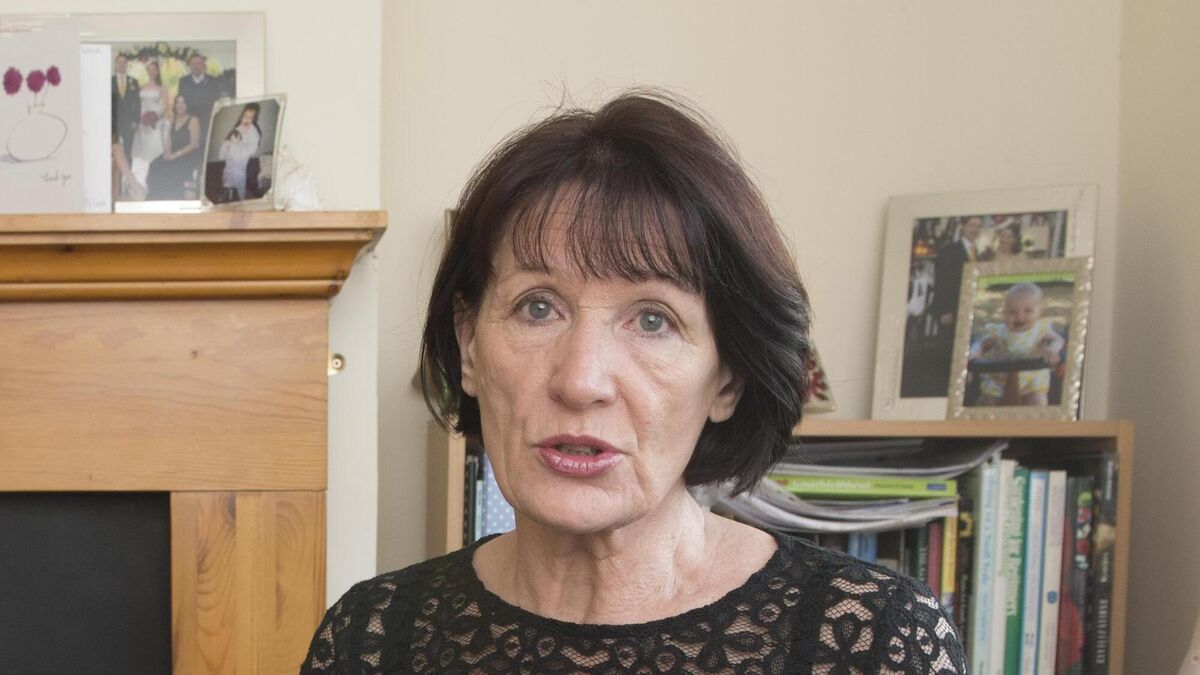
Former Cork City Councillor Marion O’Sullivan has been a carer for her brother, Stephen Mackey, who has a severe intellectual disability and additional medical needs, for 15 years.
As Family Carers Ireland launched a report highlighting the additional costs facing carers, one Cork carer has said she has to depend on hand-outs from her children to survive.
Former Cork City Councillor Marion O’Sullivan has been a carer for her brother, Stephen Mackey, who has a severe intellectual disability and additional medical needs, for 15 years.
Ms O’Sullivan said that because she is in receipt of the old age pension, she gets “about €43 a week” in a carer’s allowance.
“I’ve had my children subsidising me, and it can’t go on, I can’t think what would happen if my children weren’t there,” Ms O’Sullivan said.
“The system is absolutely chronic for people, and any carer who is in their sixties now, and there are thousands of us, they’re in an awful state, nobody cares, and nobody listens,” she said.
Ms O’Sullivan’s comments came as Family Carers Ireland launched its report “Care at Home – Costs of Care Arising from Disability”, which looks at the additional direct costs faced by caring households.
The report also highlights the hidden costs of caring that are often unaccounted for, including the cost of foregone employment and the financial costs imposed on families when services are not available.
The report finds that when compared to a household without a disability, the household caring for a child with a profound intellectual disability faces a greater depth of income inadequacy.
The core Minimum Essential Standard of Living (MESL) costs for a two-parent household caring for an adolescent with a profound intellectual disability amounts to €752 per week, excluding housing, a figure which is €244 higher than the MESL for a two-parent household with an adolescent child without additional caring and disability needs.
The charity said the findings were indicative of the additional costs faced by all of those caring for loved ones at home.
The areas with the largest additional related costs are transport, caring costs (e.g., cost of accessing essential therapies and respite privately), household goods, personal care, health, clothing, and household adaptations.
The analysis found that direct and indirect supports fall significantly short of what is required by many caring families, particularly those on low incomes, to ensure an acceptable, equitable quality of life.
Catherine Cox, head of communications and policy at Family Carers Ireland, said the report provided an insight into the reality faced by caring families and revealed that much of the additional costs borne by such households arise due to a denial of what should be publicly provided supports and services such as respite, assessments, and care equipment.
“In fact, paying privately for services and supports has now become routine due to strict eligibility criteria, as well as challenges in accessing public services, which masks the true extent of waiting list figures and the inadequate provision of essential supports,” Ms Cox said.
Marion O’Sullivan said she is despairing that her brother Stephen’s health is declining and she worries that she will no longer be able to care for him.
“I really, genuinely feel that nobody cares, especially nobody in government cares, they’re all platitudes, but they do not care about the work that you have to put in for a person who has special needs, especially one who is elderly or getting old.”










 App?


