Attacks on gardaí 'under-reported': 466 gardaí recorded as being attacked on duty in two years
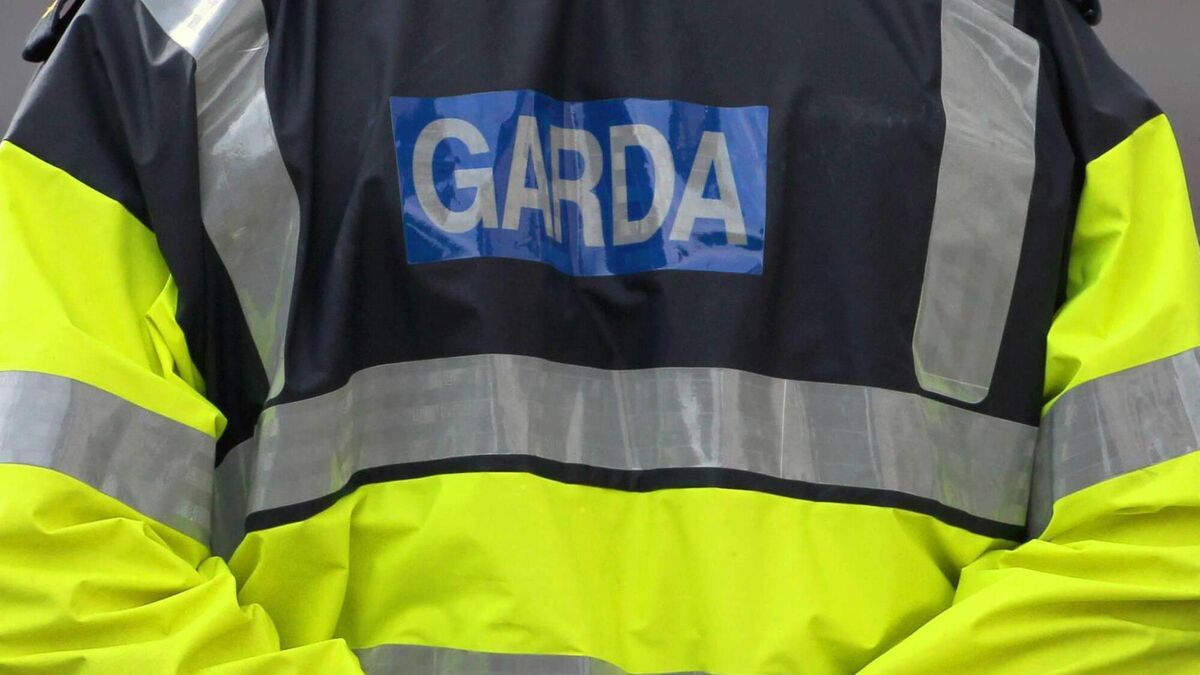
There were 223 assaults in 2020 and this figure rose to 243 last year.
Attacks on gardaí 'under-reported': 466 gardaí recorded as being attacked on duty in two years

A total of 466 gardaí have been injured nationwide after being physically attacked on duty over the past two years.

FIGURES recorded for assaults on gardaí are “only a drop in the ocean as to what goes on every day”, the Cork representative of the Garda Representative Association (GRA) has said.

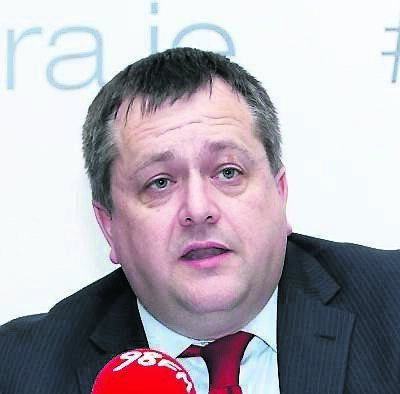
Garda and spokesperson for the GRA in Cork John Parker was speaking regarding the number of gardaí who have been physically attacked on duty nationally.

A total of 466 gardaí have been injured nationwide after being physically attacked on duty over the past two years.

There were 223 assaults in 2020 and this figure rose to 243 last year.

Three gardaí suffered serious head injuries in 2021, while others received fractures, dislocations, and open wounds.

Garda Parker said these figures do not give a full picture as not all assaults on record are fed into An Garda Síochána’s Pulse system.

“The figures are not accurate,” Garda Parker said.
“Most of the guards that get kicked, punched, suffer bruises, or cuts; the guards don’t go down as an injured party. The garda is deemed as an investigating member to the public in the incident that they attended,” he said.

“These figures are based on an inquiry from the Pulse system. The Pulse system will mainly only record incidents where the guard responds to something.

“Most of the assaults on guards are not recorded on the system as assaults. A lot of public order incidents might involve some form of assault on a garda but are recorded on Pulse as public order.”

Garda Parker said the figures for officers physically attacked on duty are hugely under-recorded.

“The narrative might say something about a struggle but, in general, threats about your house being burnt down, getting kicked and spat at are not recorded,” he said.

“They are all assaults so the figures are hugely under-reported and under-recorded.

“When something is reported as an assault, it may indicate that the Garda member has received serious injuries and is out sick or that the criminal is a repeat offender and needs to be brought before the court. These figures are only a drop in the ocean as to what goes on every day.

“To get an accurate picture, they should gather together all the information that comes from reports from health and safety and public order incidents.

A number of years ago we recommended that the Pulse system should record the use of force.

“We also called on the use of force against Garda members to be categorised on the same system. The Pulse incident templates should be updated with a data entry field which should include options as to what type of force or assault was used on the garda,” he added.

Mr Parker said the increase in the number of gardaí who have been physically attacked on duty nationally will not deter his colleagues, who will continue to “dust themselves” down and go back out again.

“We have had members who have suffered hugely horrific injuries, but I don’t come across colleagues who fear going out. The only ones you might come across saying they are fearful are the highly traumatised members and they are eased back into work.

“Every member picks themselves up again, dusts themselves down, and goes back out as their unit needs them.”

More in this section

Asian hornet's nest located near Ringaskiddy after tracking device attached to insect Asian hornet's nest located near Ringaskiddy after tracking device attached to insect
Ballincollig estate named Ireland’s Greenest Suburb Ballincollig estate named Ireland’s Greenest Suburb
Attempts to identify remains of woman found near old Cork railway line continue five years on Attempts to identify remains of woman found near old Cork railway line continue five years on

Sponsored Content

BnM Securing Ireland’s energy future through home-grown renewable power at the heart of BnM plans
SETU connects Ireland’s southeast to a changing Europe SETU connects Ireland’s southeast to a changing Europe
From graduate engineer to director: A 25-year career helping to shape Ireland’s electricity future From graduate engineer to director: A 25-year career helping to shape Ireland’s electricity future
Contact Us Cookie Policy Privacy Policy Terms and Conditions

© Examiner Echo Group Limited

Add Echolive.ie to your home screen - easy access to Cork news, views, sport and more