Covid-19 'lifted the lid on health inequalities' in Ireland
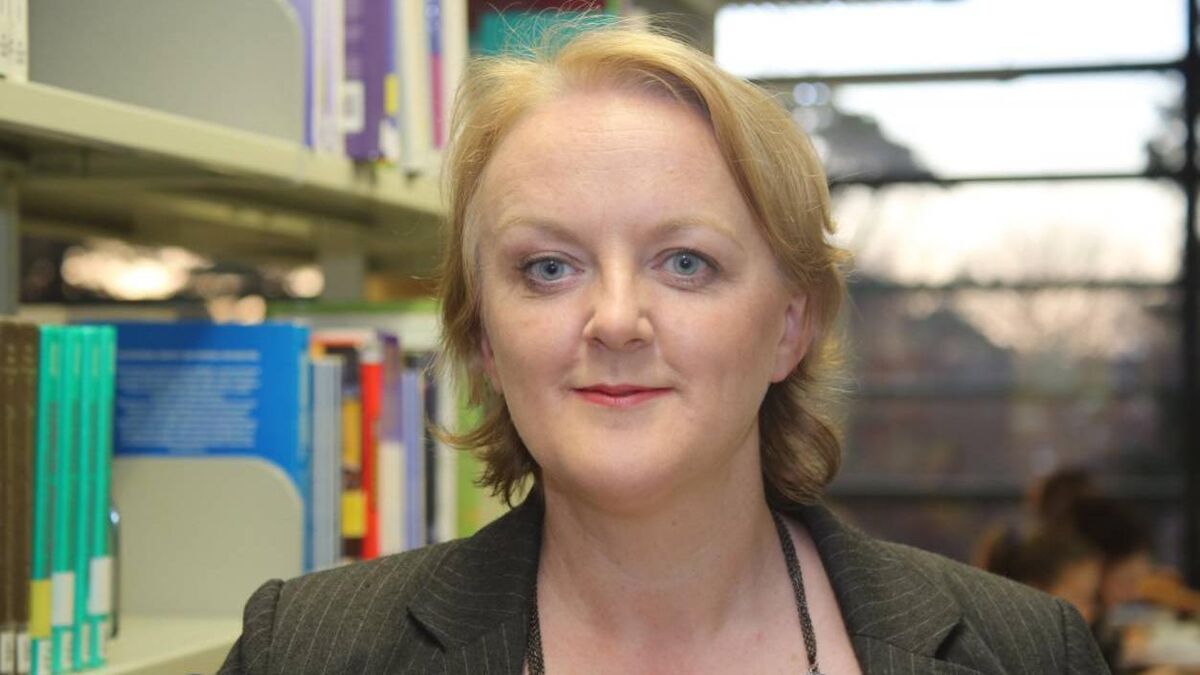
Dr Angela Flynn. Photo credit: Tony Archer, UCC.
Dr Angela Flynn of University College Cork (UCC) School of Nursing and Midwifery has highlighted how Covid-19 has “lifted the lid” on health inequalities in Ireland.
Speaking during an online Covid-19 conference hosted by UCC Science Society she said that those who experience material disadvantage, lower education opportunities and lower opportunities in employment are more likely to experience worse health than the rest of the population.
She said that Covid-19 has “lifted the lid on a lot of these inequalities and has magnified them for everyone to see” with isolation of the elderly becoming a “major issue”, as well as cancer inequality in Ireland.
“At the other end of the age spectrum, children born in less well off areas are more likely to die before the age of one year than those born in more advantaged areas,” she said.
She said that there is also “an inequality in cancer” in the country and read from a report published by the Irish Cancer Society last year which stated that despite efforts made, Ireland has become a very unequal society when it comes to health problems, particularly cancer and access to healthcare.
Quoting the Marmot Review of Health Inequalities in England (2010), she said that reducing such health inequalities will require action in six policy objectives including: Giving every child the best start in life; enabling all children, young people and adults to maximise their capabilities and have control of their lives; creating fair employment and good work for all; ensuring healthy standard of living for all; creating and develop healthy and sustainable places and communities; and strengthening the role and impact of ill-health prevention.
“We know that the health service does influence health inequities and we also know of what's called the inverse care law, which describes, that health services are of poorer quality and less accessible in the disadvantaged populations that actually need them most. In areas that are least in need, there are the most services,” she said.
Dr Flynn said that Government action is needed to mitigate the various negative effects on vulnerable groups “especially considering what policies they could bring in to alleviate the economic impact on very low income earners and the impact that we know that this has on healthcare”.




 App?
App?


