Cork On A Fork Fest: What are the key ingredients to its success?
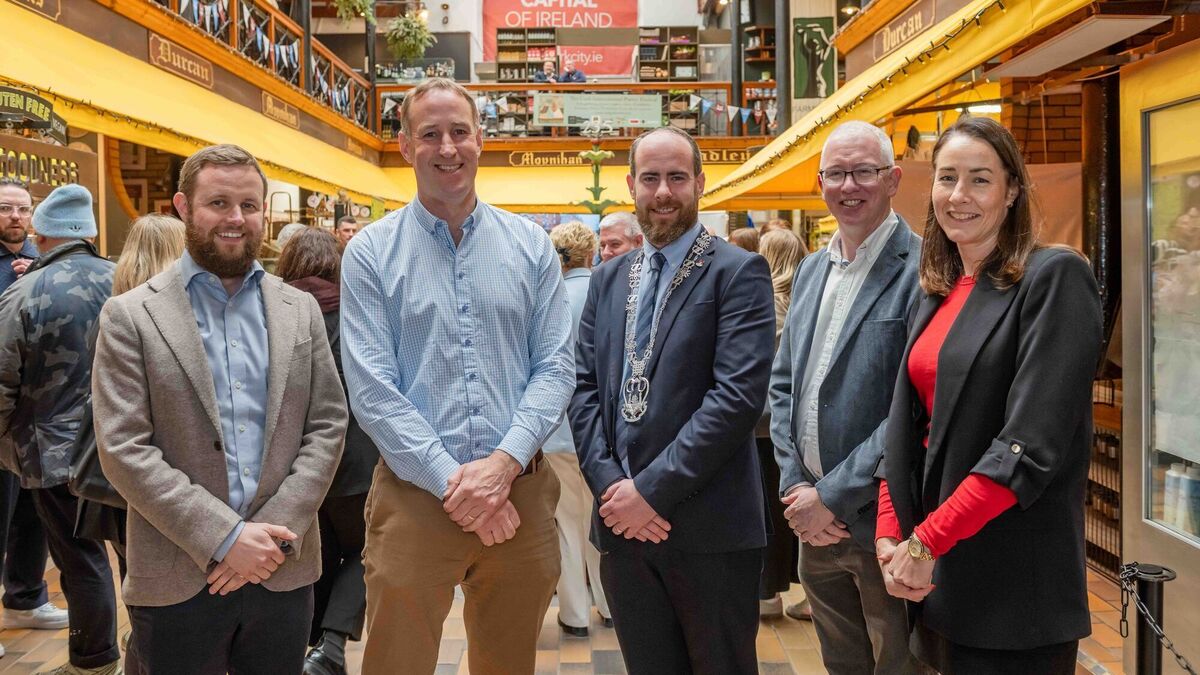
Brian O’Flynn (Fáilte Ireland), Cormac O Suilleabháin (Cork City Council), Cllr Gary O’Brien (Deputy Lord Mayor, Cork City Council), John Hayes (Cork City Council), and Emma Devery (Cork City Council) at the launch of Cork On A Fork Fest in Farmgate at The English Market, Cork.
This year, Cork On A Fork was named the best food festival in Europe by Big 7, an influential travel website, beating the UK’s Feastival and Galway’s Oyster Festival to the No.1 spot.
For a food festival to really stand out, its core offering - the food - must be knockout, and Big 7’s recognition reaffirms Cork’s well-earned reputation as the food capital of Ireland.
But what does it take to create a food festival from humble beginnings to a world-class draw with international kudos, 150 events, hundreds of participants, and thousands of visitors in just five years?
I asked two key people...
Cormac O Súilleabháin is Director of Services, Cork City Development and Operations at Cork City Council, and organiser of Cork On A Fork.
What is your role at Cork City Council for Cork On A Fork?
Cork On A Fork is a Cork City Council festival, established in 2022. My team, along with our external partners, ETC, manage the running of the festival. My role is to provide strategic oversight and ensure the festival supports our wider ambitions for Cork city: creating activity, supporting local businesses, attracting visitors, and showcasing Cork as an exceptional food destination.
What’s the most enjoyable part of organising the festival?
It’s the vibrancy it brings to the city centre. You see people of every age coming to Cork, exploring different streets and venues, trying new things and enjoying our unique food culture. There’s no single type of festival experience, and that variety makes it very inclusive.
I also enjoy the collaboration. The festival gives local businesses and food professionals a platform to bring their ideas to life, and Cork City Council helps connect those ideas through one strong, city-wide programme.
The festival is for Cork, by Cork. Why does that matter?
It matters because there’s a real sense of local ownership and pride around it. This is a festival created to celebrate the people, produce, businesses and traditions that make Cork’s food culture distinctive.
People are not simply participating in an event; they are helping to tell Cork’s own story. That authenticity is one of the festival’s greatest strengths. Cork City Council provides the leadership and structure, while the city and county’s food community gives the festival its character.
How does Cork hope to tap into a growing demand for food tourism?
Visitors increasingly want to experience a place through its food; where it comes from, who produces it, how it is prepared and the stories behind it. Cork is exceptionally well placed to meet that demand.
We already have the strong foundation of outstanding producers, the English Market, excellent restaurants and cafés, historic pubs, markets, breweries, distilleries and a rich tradition of food production across the wider county.
Cork On A Fork Fest brings all that together in a way that is accessible to visitors. It raises Cork’s profile, gives people a reason to visit, and encourages them to explore more of the city and region. Our ambition is that visitors will not just attend it but will leave seeing Cork as a food destination to which they want to return.
The festival celebrates Cork’s homegrown talent. Why is that important?
The festival has grown organically by building on the exceptional talent already here. We have a high calibre of chefs, producers, makers, traders and hospitality businesses that gives the programme credibility.
We welcome visiting chefs and collaborators, but the emphasis is firmly on celebrating Cork. Meaningful collaboration between visiting and local chefs, food and hospitality businesses keeps the programme authentic and connected to place.
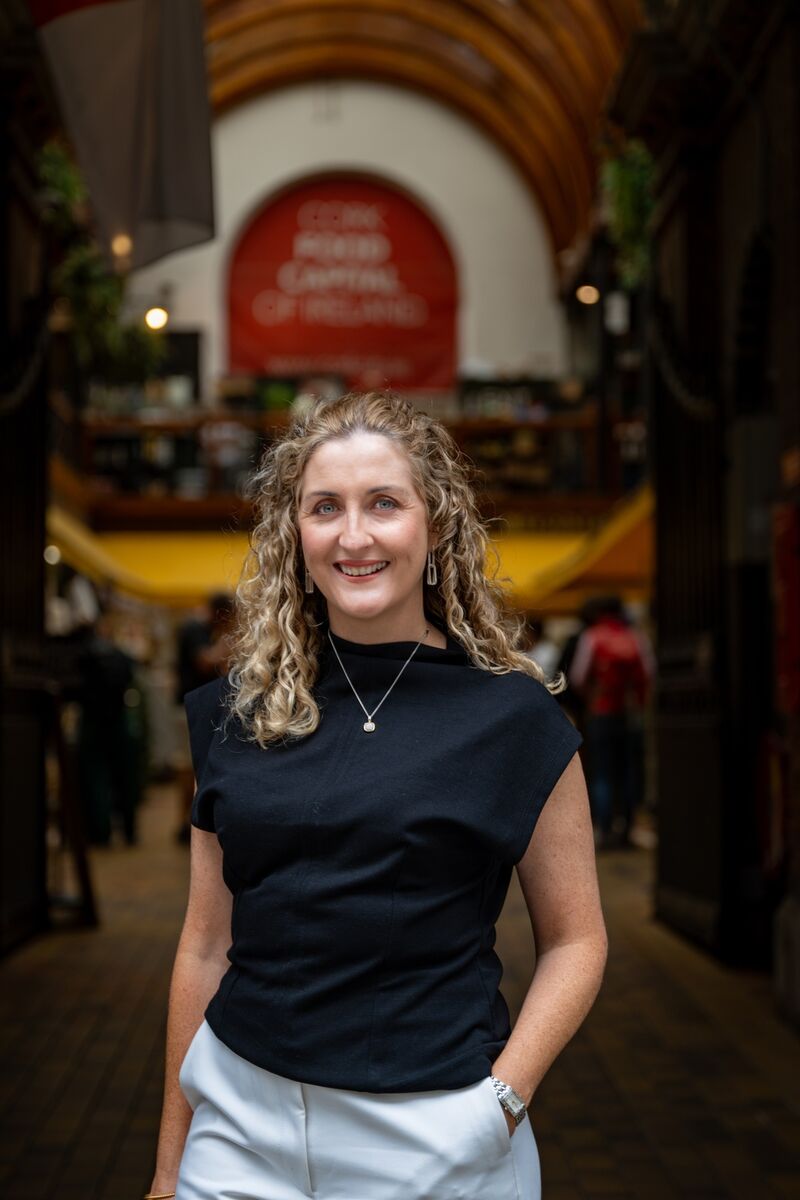
What makes Cork such an exciting food destination?
It has an extraordinary combination of place, produce and people in the city and wider hinterland. Everywhere is rich in high-quality seafood, dairy, meat, vegetables, artisan products and beverages, complemented by our many excellent restaurants, cafés, pubs, bakeries with some of Ireland’s most talented chefs and hospitality professionals at the helm.
What makes Cork especially exciting is that everything is closely connected. Visitors can meet producers, visit markets, dine in outstanding restaurants and experience traditional Cork foods and contemporary cooking. It is a complete food ecosystem rather than just a collection of good places to eat.
The festival being named the No. 1 Summer Food Festival in Europe by Big 7 Travel is a tremendous endorsement and a credit to our team and every chef, producer, business, venue and partner who has helped build the festival. It confirms internationally what many of us in Cork have long believed: that Cork is Ireland’s gastronomic capital and our food culture can stand alongside the best in Europe and give visitors another compelling reason to visit.
The award will help us to raise the quality, ambition and international profile of the festival, and put Cork in the centre of food tourism. The festival attracts attention, but also acts as a gateway to all food experiences across city and county year round.
Which events are you looking forward to this year?
I’m looking forward to the new city centre Festival Zone coming alive on the weekend around Bishop Lucey Park, South Main Street, Grand Parade and the Counting House. It will create a real sense that Cork On A Fork has taken over the heart of the city with markets, demonstrations, talks, tastings, family activities and opportunities to experience food in a relaxed and accessible way as many Festival Zone activities are free.
Niamh Murphy, Festival Manager for Cork City Council, says it is a celebration of Cork’s unique food culture and the food community.
What does your role involve?
I work with Cork City Council as Festival Manager, helping to develop deliver and promote Cork On A Fork Fest in partnership with their team. We manage partnerships, budgets, timelines, communications and the coordination required to deliver large-scale events safely and successfully across multiple city-centre locations.
A huge part of the work is collaboration, working with chefs, producers, restaurants, pubs, cafés, venues, businesses, community organisations and tourism stakeholders to curate experiences that showcase the depth of Cork’s food culture. It is a substantial collective effort.
What is Cork On A Fork about?
Across five days, people can taste their way through the city! The programme includes unique dining experiences, street feasts, markets, free talks and demonstrations, food trails, tastings, brewery and distillery tours, workshops and plenty of family fun. It is really an invitation to immerse yourself in the flavours, people, places and stories that define Cork as a food region.
Why should Cork have its own food festival?
Because Cork is where so much of Ireland’s food story is rooted, grown, shared and celebrated. Food has shaped this city and county for centuries and many of those food traditions are still part of Cork life today, like the English Market and the Butter Museum, and still today, Cork is still one of Ireland’s great food-producing regions.
What really makes Cork special are the people behind the food: the farmers, fishers, producers, market traders, chefs, restaurateurs, publicans and community groups.
There is a real Cork spirit in the food community too. It is independent, creative, generous and ambitious. Cork On A Fork gives that community a platform to tell its story, celebrate where we have come from and show people where Cork food is going next.
How has the festival developed over its five years?
The growth has been extraordinary. The first festival in 2022 had 30 events, but this year there are more than 150 - a third more than last year. The quality has also evolved; it’ s a really strong programme this year.
In the beginning, we worked with a few early participants who believed in what Cork City Council was trying to create. Since then, awareness and confidence have grown enormously, with more businesses, chefs, producers, venues and community groups wanting to be part of it. The city atmosphere has developed into a genuine festival experience.
What does it take to create a globally recognised festival?
Global recognition comes from getting many things right at the same time: quality of food, authenticity of experiences, the atmosphere in the city, accessibility, organisation and the welcome people receive.
Big 7 Travel described visiting Cork On A Fork as experiencing Cork at its most authentic. That is something we are especially proud of, because authenticity has always been central to Cork City Council’s vision for the festival.
The award belongs to the entire food community that participate. A festival cannot manufacture that warmth or sense of place. It comes from the people involved and from their genuine pride in Cork.
There are several industry-focused events this year. Why are these valuable?
The public-facing festival celebrates what Cork’s food community has achieved, while the industry programme helps that community consider what comes next.
Hospitality and food businesses face significant challenges, including costs, staffing, sustainability, changing visitor expectations and a need to keep innovating. Industry events provide a space for people to step away from daily operations, share knowledge and discuss those issues together.
They also create connections between chefs, producers, tourism professionals, educators, entrepreneurs and policymakers. Those conversations can lead to new collaborations and practical ideas that continue long after the festival ends. It builds a stronger food ecosystem that supports the long term resilience and ambition of Cork’s food sector.
What makes Cork On A Fork unique?
The city itself becomes the festival venue, with activity in restaurants, markets, parks, streets, historic buildings, pubs, cafés, cultural venues, breweries and distilleries.
The programme is co-created with the local food community. Cork City Council provides leadership, coordination and overarching vision, but the chefs, producers and businesses of Cork contribute the ideas, knowledge and personality. The result is a festival both large in scale and deeply local in character.
The long-table dinner on MacCurtain Street is the flagship event, and always spectacular! It brings together everything the festival stands for: collaboration between 20 chefs, 40 wait staff, incredible local produce, a unique experience and an amazing location. We have had emails from the U.S about this event.
Cork On A Fork Fest runs August 12-16 with a mix of free and ticketed events. The Cork City Council festival is supported by Fáilte Ireland, the Department of Enterprise, Tourism & Employment, Visit Cork, Cork Airport, Cork Business Association, LEO Cork City, the Irish Hotels Federation Cork, MTU, Science Ireland, headline sponsor Musgrave and a host of event partners. See www.corkonaforkfest.ie


 App?
App?


