Meet the fish-fluencers changing our plates
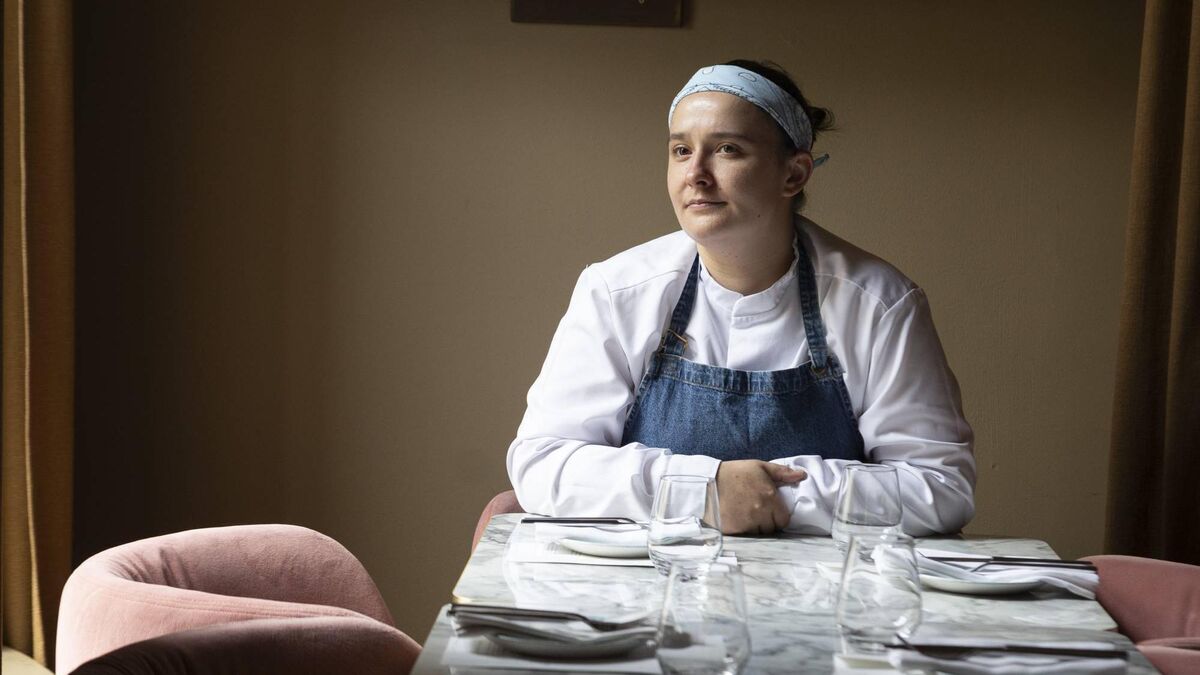
“When we opened in 2019, we felt it was the right time for a restaurant like Goldie. But even so, my friends and family told me they wouldn’t eat in the restaurant because they thought they didn’t like fish," says Aishling Moore. Picture: Clare Keogh
Chefs, fishmongers, writers and content creators are making Irish seafood something to be excited about. From viral fish tacos to sell-out pop-up events to oyster shucking and beautiful plates of food, fish is officially sexy!
@katelawlorchef
At K O’Connell Fishmonger in the food emporium at Dunnes Stores on Pana, Kate Lawlor has created a stir with her cooked to order quick serve dishes.
The casual eatery is right beside the fresh fish counter. In real time, fish becomes Crab Samosa, Fish Taco, Chowder, Beer Battered Fish and Chips, all of which took off on social media.
“Business has increased 80% over the year, which shows just how much the appetite for fish has changed,” says Kate.
For Kate, the counter provides an opportunity to engage with customers, learning from them, and seeing how people in Cork all enjoy Irish seafood differently.
“We have a melting pot of cultures in the city, and with that comes demand for different fish prepared differently. Middle Eastern, African and Indian cultures ask for whole fish prepared in a particular way. Fish for curries is cut on the bone like steak, so it cooks better. Whole fish is bought for frying, especially deep frying. Our Sri Lankan and Thai customers do that.
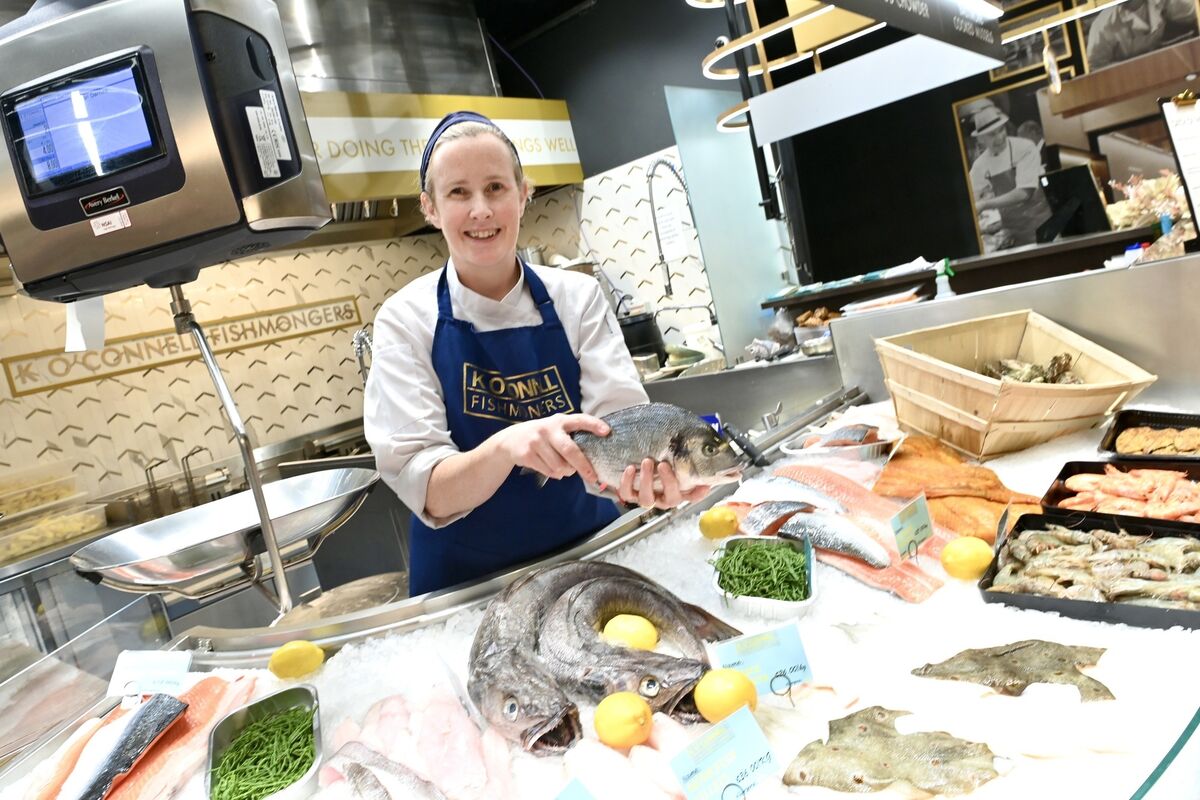
“It’s great for me because I get to ask them how they’re cooking the fish,” says Kate. “It means I’m learning from them.”
With fish getting more profile on TV, newspapers, books and online, people are becoming more curious and confident about choosing something different from the typical salmon or cod.
At a time when cooking is often seen as too time-consuming, fish is the ultimate fast food. Asking your fishmonger to prepare it for you makes it even speedier.
“It’s a fast food,” confirms Kate. “Mussels take four minutes; that’s a meal in no time at all. We do a pan-fried salmon dish that’s ready in eight minutes. People don’t realise how quick it can be done. Home kitchens are better these days too. Induction hobs and good extraction make cooking fish well at home easier.”
Although there is evidence of changing attitudes to eating fish generally, does that mean more of us are cooking it at home or just when eating out?
@goldierestaurant
Aishling knew the future looked fishy – in a very good way. At the cusp of a movement all about sustainable seafood, her mission was to showcase the variety of fish and shellfish by working with small day boats fishing close to shore and taking whatever was landed.
This ‘whole catch’ approach is challenging, layered with a low-waste approach called Gill to Fin. Making use of every fishy bit – bones, shells, skins, collars and cheeks - recognises the rarity of one of our last true sources of wild food.
“We’ve come so far with our food culture generally in Ireland, and that’s allowed for a growing interest in seafood,” says Aishling.
“When we opened in 2019, we felt it was the right time for a restaurant like Goldie. But even so, my friends and family told me they wouldn’t eat in the restaurant because they thought they didn’t like fish!”
Fast forward, and they all come to eat now in the city’s most lauded restaurant.
Outside of her kitchen, Aishling writes about seafood with recipes that show there is nothing to fear when cooking fish at home.
“When I’m writing a recipe, people cooking the dish in real life are always in the back of my mind. They’ll be using it as their shopping list, so I want to make sure it’s right. With some recipes, I think about how achievable it is cooking for a family of five, whereas others are for special occasions. I think it’s important to have both in your repertoire,” Aishling says.
“I write recipes knowing fish is a wild product that might be there one minute but gone again the next. When it’s available and abundant, let’s take advantage of that, and I’ll show you what to do with it. But I’ll always give options for all other species of fish that work with the dish. If you’re going to make a nice sauce, pretty much any fish will go well with it – just trust your fishmonger.”
@the.hungry.fishmonger
Originally from London with experience of running a busy restaurant in Notting Hill, Sebastian moved to Dublin in early 2021. Needing a job, he got work at family-run George’s fishmongers, a few doors down from his home, learning the craft of fishmongery on the job.
“I enjoyed working on the fish counter, but every shift I’d get asked multiple times how do you cook that, for how long, what do with this, what sauce. Those questions led me to create the @the.hungry.fishmonger Instagram page.
Sebastian’s audience grew, leading him to publish his first cookbook in May, 2025. Now, he is busy creating content, working the fish counter at weekends, and cooking creative dishes at his fish supper clubs around Dublin.
Guests find the events through Sebastian’s social media, and, he says, are a different age profile from customers he meets at the counter.
“At supper clubs, everyone’s in their twenties,” he says. “They’re young and willing to try anything, like deep-fried prawn heads or trout roe on chocolate tarts. If I said that over the counter, customers would look at me like I have ten heads, but with supper clubs, you can really push things and people will embrace it.”
Back at the counter, Sebastian finds tastes are stuck, estimating 60% of fish sales are for farmed salmon.
“Nothing has changed much that way,” he says. “Social media, restaurants, etc, the last couple of years have seen a real push on Irish seafood with some really cool things and creative dishes coming out. But if you switch to retail, it’s still a little bit stuck in the past.
“Butchers had their moment with dry aging, leather aprons, red lights, and cool shops. Fishmongers need to have their moment now. We need to make it sexy!”
From a sustainability point of view, Sebastian says communication is key to helping customers make better choices.
“Consumers choosing to eat more varieties of fish creates sustainability on the counter,” he says. “If there’s constant demand for hake on the counter, fishmongers feel they must always order it. But that might mean hake being flown in from South Africa or northern Europe. If you’re constantly meeting demand for the same group of fish, that’s not great for sustainability.”
The other factor Sebastian advocates for is seasonality of Irish seafood, because, he says, “people don’t really know that seasonality exists in seafood. That’s something I wanted to put across in my book with chapters split into spring, summer, autumn, winter.
“Seasons are changing a little bit with climate change, so it’s more of a guidance than an authority, but it was important to me to press home that there is seasonality in seafood.”
@heyoysome
Remember the saying about only eating oysters when there’s an R in the month? The answer to this – and many more facts about oysters - is why Sarah began Oysome with oyster workshops delivered all around the country.
Originally from Listowel in Co. Kerry, Sarah grew up on a dairy farm and only tasted an oyster for the first time five years ago when she joined BIM’s Taste the Atlantic programme and became fascinated with these shellfish.
“The first time I visited an oyster farm, I was blown away by how humble the oyster farmers were, how willing and excited they were to share their knowledge,” says Sarah.
“At the time, oysters were so misunderstood in Ireland. I wanted to raise the profile of our oyster farmers here at home because, internationally, they are so sought after. Irish oysters are the top selling oyster in restaurants in Hong Kong. It’s like we need to export something to realise it has a value.”
Coming from a rural farming community, Brown recognised an affinity with oyster farms. Many are in areas not easily accessible, and sometimes the only viable industry able to provide employment and income for those living near an oyster farm.
“Irish oysters are particularly sought after because the growing conditions here are ideal here. Water temperatures are low year-round, which means oysters grow slowly, which concentrates their flavour. Salinity of Irish waters is stable, so how close or far away the oyster farm is to a fresh water source, the oyster will either be sweeter or saltier with a concentrated umami flavour,” explains Sarah. “You can’t replicate that. Each oyster is a little pocket of flavour from the very specific place it’s from.”
Ireland has 180 oyster farms around its coast, but only seven sell into the Irish market. The rest is exported, making Ireland the second largest exporter of oysters in the world.
Brown showcases the wonderfully diverse flavours of Irish oysters in workshops where participants learn how to shuck and taste oysters and learn all about these incredible shellfish.
“The workshops are really impactful,” says Sarah. “I like to emphasise that there’s no such thing as the best Irish oyster. They’re all very good in their own way, so you can have such an interesting tasting experience.”
Sarah will be running her Oysome workshops during the Waterford Festival of Food on Saturday, April 25, aboard the Klevia moored at Dungarvan Harbour.





 App?
App?


