The Village Pubs of Cork: ‘I don’t want a super- pub, I want music, a chat, a fireplace...’
In the latest instalment of our popular weekly series, The Village Pubs Of Cork, NOEL SWEENEY heads to The Blackman Bar on the outskirts of Cork city, and hears from the landlord about its links to a famous Harp advert, and why it remains a ‘country pub’... but just about
The Village Pubs of Cork: ‘I don’t want a super- pub, I want music, a chat, a fireplace...’

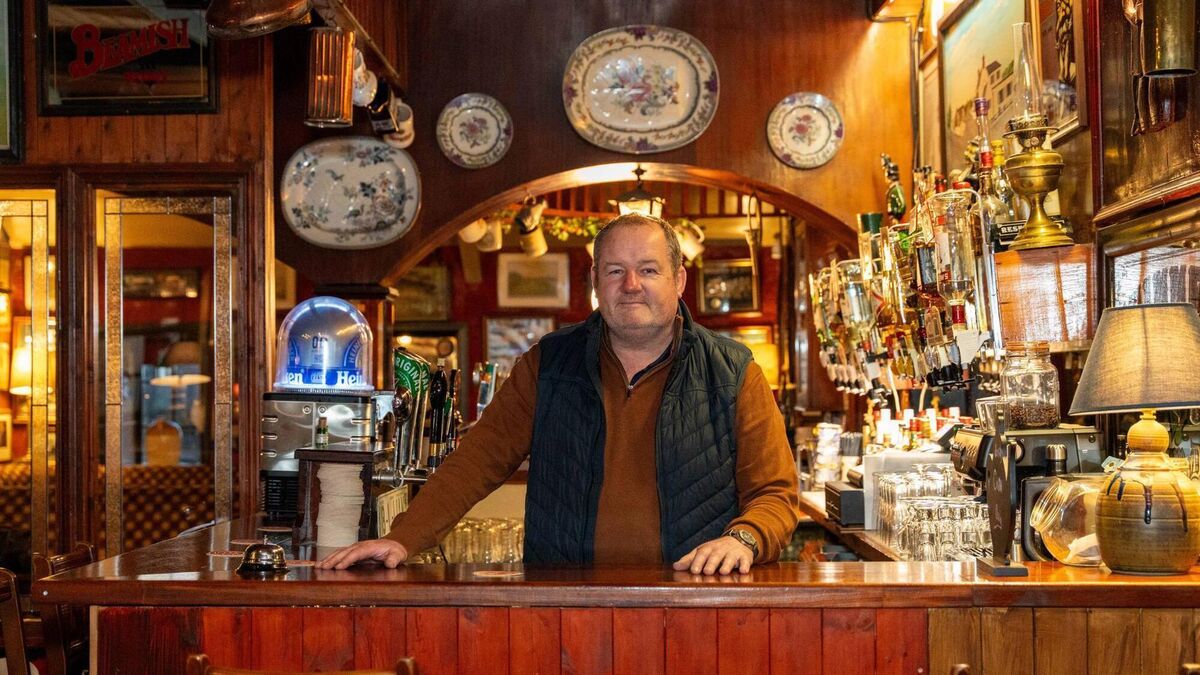
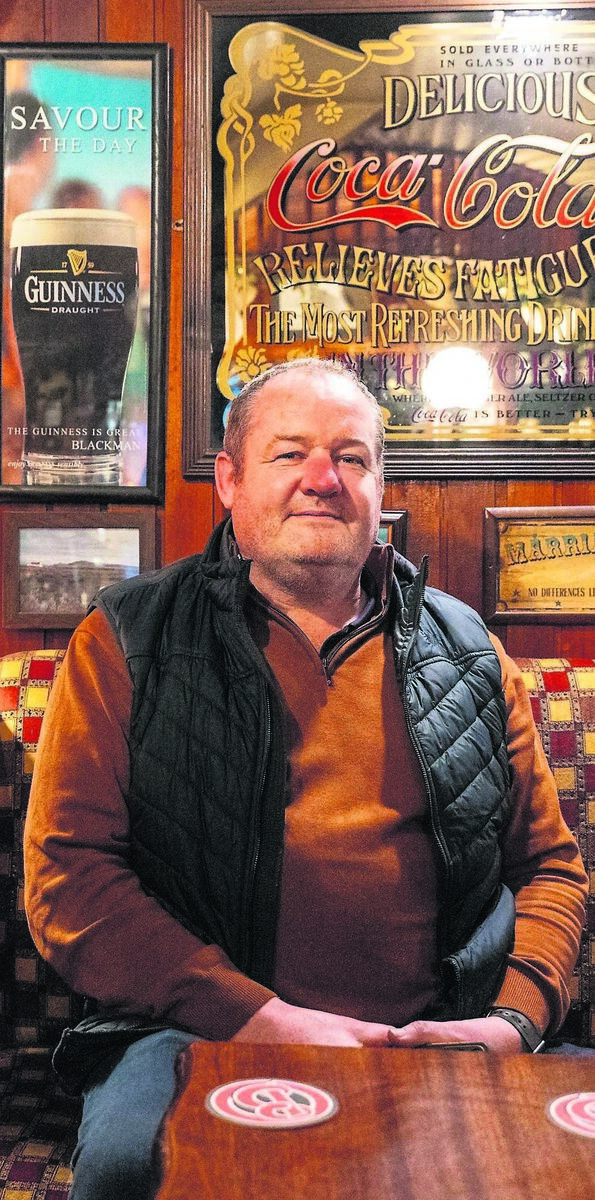
Roy Healy, owner of The Blackman Bar. He says of pub culture: “It’s not about drinking, it’s about company.” Picture: Noel Sweeney

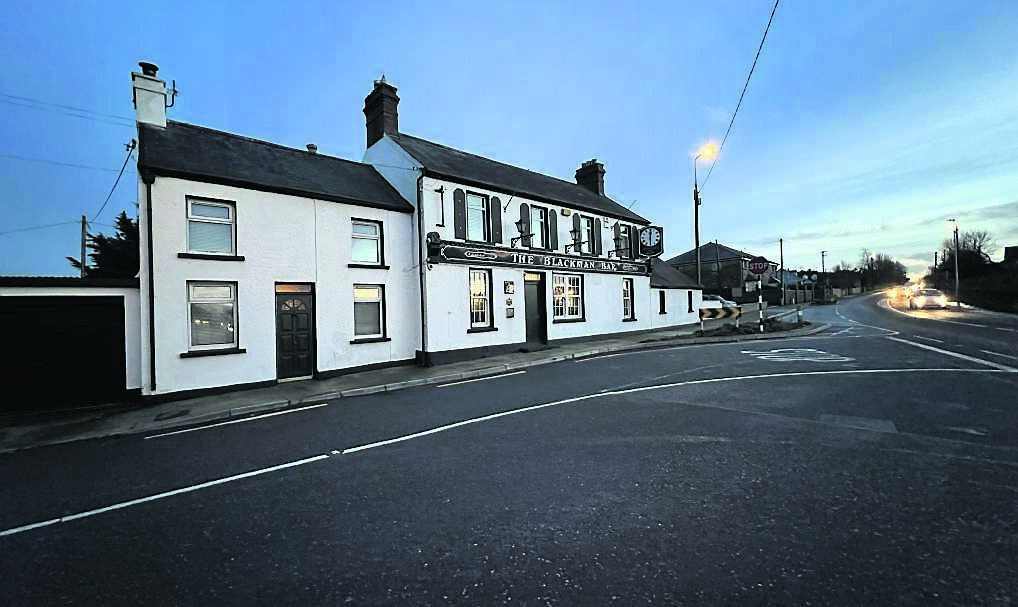
The Blackman Bar, a country pub at the edge of Cork city, situated on the old road to Dublin, breathes colour and character.

Inside its deep red painted bar and its dark green coloured lounge, its photo-cluttered walls relay its story from the 1970s through to the present day.

Roy Healy has been part of that story almost from the beginning. His parents, who had been publicans in the city, took over the pub some 56 years ago.
“They were originally in Parnell Place. They had a pub there,” said Roy.

“My mother Maureen, was a Cronin from Crosshaven, and my father was from Mayfield. They met in town, but they decided the city wasn’t conducive to raising kids. There were seven of us.”

The Blackman was already a pub, but attached to it at the time was a shop and a post office.

 The Blackman Bar in Ballincrokig on the outskirts of Cork city. 
The Blackman Bar in Ballincrokig on the outskirts of Cork city. 

“This room we’re sitting in now was originally a shop,” said Roy. “The pub was next door, and the post office moved around a bit before it finally closed. Over time, it all became part of the one place.”
Through the decades, The Blackman expanded in size. Sections open into sections, yet it all flows organically.

“Most of what you see here was done in the early 1970s, This section hasn’t really been touched since,” said Roy.

He tells me that the pub’s name itself goes further back again, long before it was officially painted over the door.

The Blackman was never a surname. Its origins lie at the Dublin Hill crossroads where it stands, from a blacksmith’s forge that once stood opposite its front door.

“There was a big sign across the road. A black figure holding a hammer,” explained Roy.

“When people were giving directions, they would say, ‘Go right at the black man’, or ‘turn left at the black man’

“The pub was always known by that name, even though it wasn’t officially called that until my parents put it up in the ’70s.”

Roy Healy in The Blackman Bar. His parents took it over in the 1970s and it was once a popular haunt of performers after shows at Cork Opera House. Picture: Noel Sweeney

When Roy’s parents took over, the pub had a rough and ready reputation, very different to its image today.

“It was a hard man’s pub. They actually closed it for a few weeks and reopened it with the intention of changing the atmosphere. Over time, they did.

“It became a more comfortable place, somewhere that people could settle,” Roy explains,

Running the pub himself, he sees his role as less of a businessman and more as a form of caretaking.

“You’re looking after people. You worry about them. You see their kids grow up. Their kids bring their parents back here years later. It becomes generational.”

Roy recalls a time when Cork Opera House performers regularly made their way out here after a performance.

“Actors, singers, musicians, they would come out here after their shows. This room was known as the Green Room.”

The Blackman was famously used as a filming location for a Harp lager advertisement in the 1980s. Photographs on the wall document the day, alongside a pint glass from the shoot that made an unexpected journey.

“One of the fellas walked out with it that night. He drank milk out of it for years before bringing it back. It’s still behind the counter,” Roy laughs.

The walls themselves act as an archive. Photos come and go. Paintings are added.

Regulars who have passed on are quietly remembered.

“If someone drank here for 30 years, we’d put a photograph up. It’s organic. But it’s thought about. Not thrown together,” explained Roy.

“There were seven of us siblings, all working here at different times. Everyone left their mark in some small way.”

Unlike many pubs, The Blackman doesn’t serve food now, though it once did.

“We stopped in the early 2000s,” Roy says. “It was soup and sandwiches, funerals and that. Now we open at four and stay open till closing.”

Roy’s customers come largely from within walking distance.

“Most people are within a 15- or 20-minute walk. They walk here rather than go into town. We’re an alternative to town.

“We’re still a country pub, but the city is growing around us. In the last two or three years especially, it’s really started to bite,” he says.

Housing developments now surround what were once fields. Thousands more homes are planned or are already under construction nearby.

“Two years ago, there were fields there,” Roy says, gesturing out the window to a site across the road. “In about another two years it will be houses. We’re getting busier because of it.”

For Roy, the pub still serves a vital social function.

“If you’re out of work, or you’re new to the area and need to find a tradesman, and you go into a local pub, you won’t be long finding someone who knows someone.

“Mechanics, plumbers, electricians, half this place has been wired and plumbed by customers sitting at the counter,” he adds.

As drinking habits change, that community aspect is something he hopes survives. Drinking itself has changed, Roy acknowledges, but the need for connection hasn’t.

“It’s not about drinking, it’s about company.” He says.

As for the future, Roy is realistic without being fatalistic. His young son pulls pints on a part-time basis

“If he wants to do it, great. If not, that’s fine too. You’d like to see the trade continue but it has to be their choice.”

For The Blackman, does Roy have any plans of his own?

“Keep it the way it is, I don’t want super-pubs. I want a fireplace, a conversation, a bit of music now and then.”

Read More

The Village Pubs of Cork: Running a rural pub is hard... you’d want to believe in what you do
Cork publican: Pubs are adapting and becoming the 'third space' 
The pubs of Cork city in the 1960s: Taking a stroll down memory lane

More in this section

'It was like a light switch': Cork mum says 'superstar' Harper is coming on leaps following heart surgery 'It was like a light switch': Cork mum says 'superstar' Harper is coming on leaps following heart surgery
My Weekend: 'I like a pint with mates..but not one that involves looking for a taxi home' My Weekend: 'I like a pint with mates..but not one that involves looking for a taxi home'
Cork v Tipperary - GAA Hurling All-Ireland Senior Championship Final TV sport round-up: Cork host Tipp... will revenge be on menu?

Sponsored Content

Turning risk into reward: Top business risks in 2026 Turning risk into reward: Top business risks in 2026
Top tips to protect Ireland's plant health Top tips to protect Ireland's plant health
River Boyne in County Meath, Ireland. Water matters: protecting Ireland’s most precious resource
Contact Us Cookie Policy Privacy Policy Terms and Conditions

© Examiner Echo Group Limited

Add Echolive.ie to your home screen - easy access to Cork news, views, sport and more