SHEP celebrating 50 years in Cork 
The Social and Health Education Project (SHEP) is 50 years old. COLETTE SHERIDAN talks to its director Jim Sheehan.
SHEP celebrating 50 years in Cork 

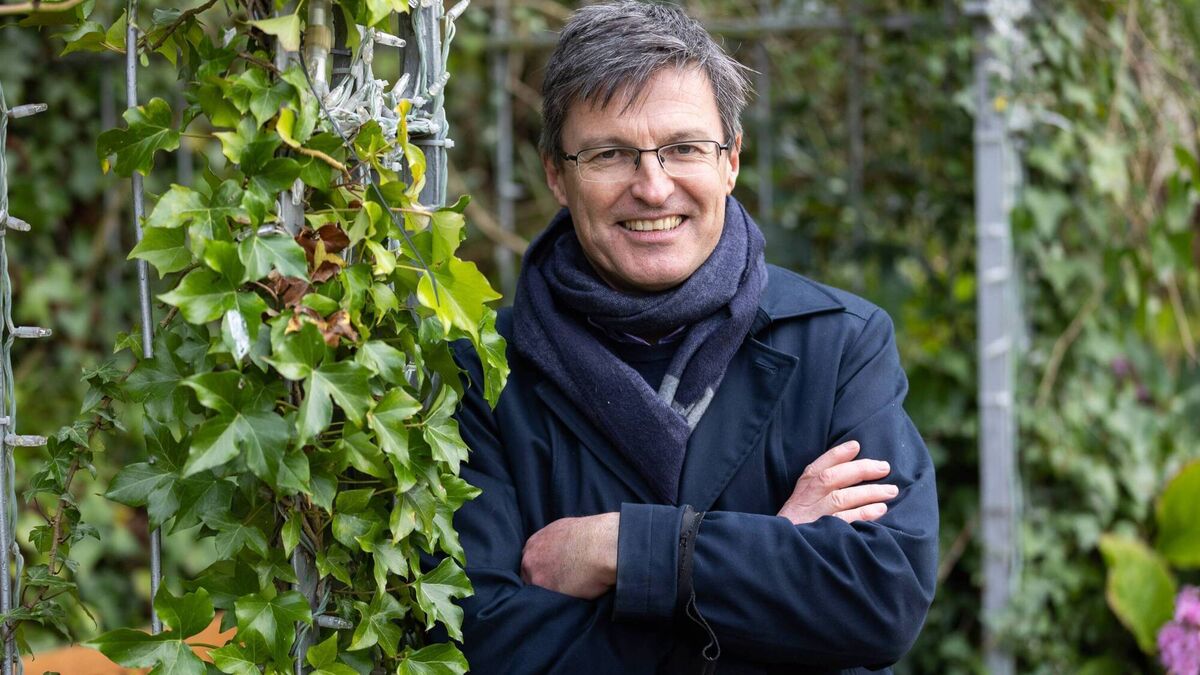
Jim Sheehan, director of SHEP, which is celebrating 50 years in operation.  Photo Darragh Kane
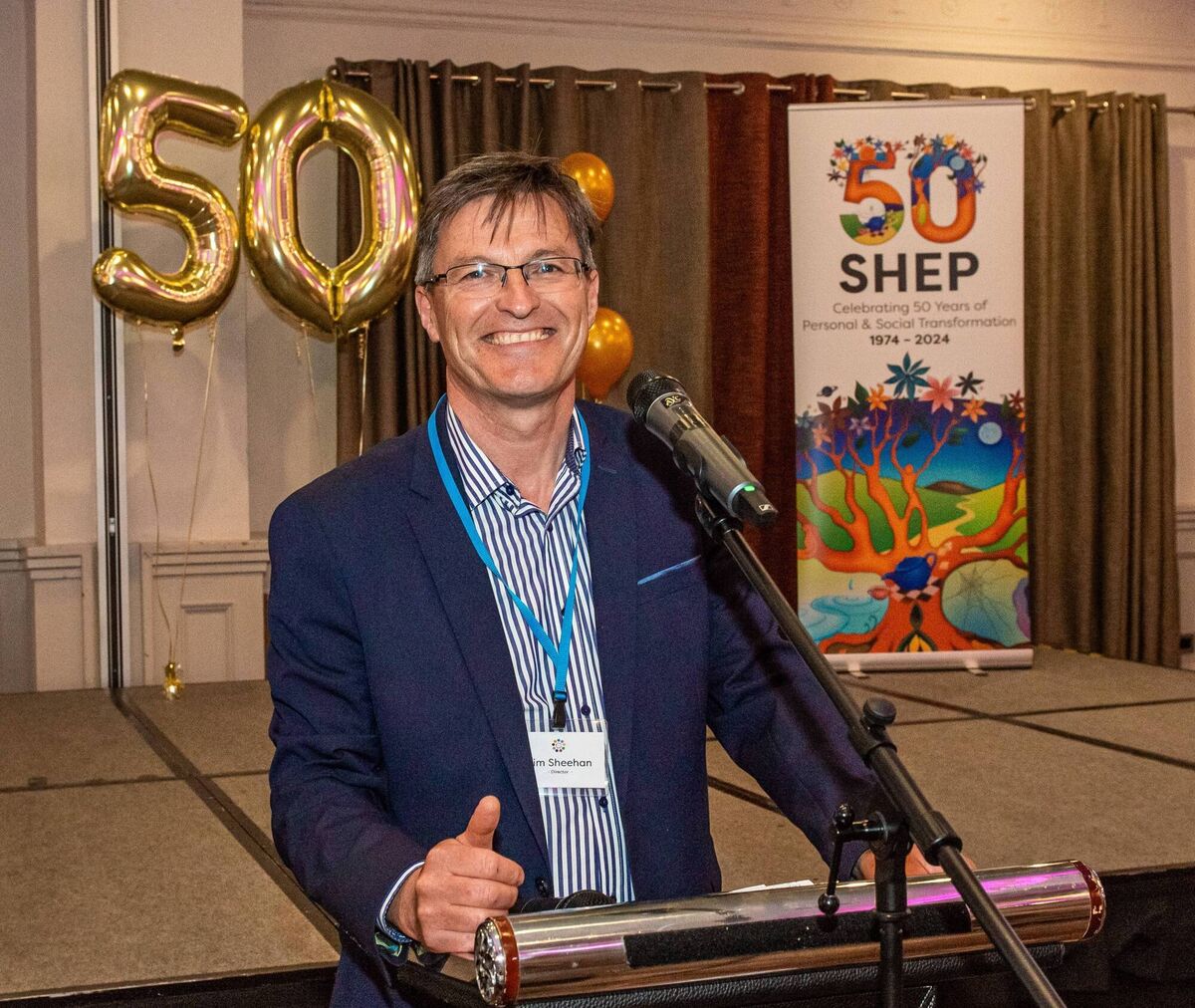
Based in the Ardfoyle Convent in Ballintemple, the Social and Health Education Project (SHEP) is celebrating its 50th anniversary this year.

A not-for-profit community education and development project, its key areas of work include “a unique training programme, Coisceim low cost-counselling service, advocacy, international partnership, Earth Aware and Green Spaces for Health and the SHEP choir”.

Most of SHEP’s work is in Cork as well as in Kerry and the midwest. It also supports the work of its international partner, Sahakarmi Samaj, which works in Southwest Nepal.

Last year, SHEP ran approximately 50 training courses with an average of 15 participants in each group. A large portion of the courses are highly subsidised, low cost or free.

The approach of this registered charity is “deepening the connection with and knowing of ourselves and the world we live in”. It’s about “inspiring and bringing about capacities for positive change and growth (in communities and individuals) and contributing to the renewal of the broader social, cultural and economic systems that shape our world.”

SHEP’s main areas of work are adult education and training (especially experiential group work), community development work, therapeutic and counselling services, and advocacy for systems and policy change.

Jim Sheehan, a former secondary school teacher, is the director of SHEP.

'Ahead of their time'

Established in 1974, it was mainly led at that time by teachers and Ógra Chorcaí, the Cork city youth federation. There was, says Jim, a feeling that “something different needed to be introduced to young people in schools and youth clubs because there was a very traditional system at the time. Back in the ’70s, there was very little space for teenagers to talk about health and wellbeing. It was a very different world.”

Under the auspices of Ógra Chorcaí, a number of teachers and school principals started a project, based in Sheares Street.

“There were two key people behind it; Fr Donal Linehan, a progressive priest involved in community projects who was also the chaplain at UCC, and Nuala Riordan, who had a social work background. They gathered like-minded people together and started the project.

“Their idea was to pilot something for young people. There were maybe civics classes in schools at the time but there wasn’t any place where you could talk about alcohol, drugs and sexuality. The people behind the project were really ahead of their time.”

Jim Sheehan, director of SHEP, says being self-aware is important. 

Jim says the principals and teachers didn’t just go straight into schools with the project. They actually had to work on themselves first, putting themselves through the same rigour that was expected of the young people in schools and youth clubs.
“It’s not rocket science. At the time, there was a very strong emphasis on the teacher in the class. But in order to be really good educators, the teachers needed to connect with the students. So they had to let their guard down a bit. In other words, the teachers were invited to be more real and more honest.

“It’s all about communication. You wouldn’t think that much of it now, but in the ‘’70s, it was quite progressive.

“At that time, teachers were on a pedestal and it was more about discipline. The students were supposed to sit and listen and be told by the teacher what they needed to learn.”

However, with SHEP, the emphasis is on students talking about issues that affect them as well as health and wellbeing.

“In the ’70s, drink, drugs and everything was going on but these things weren’t talked about in schools. This was an opportunity to create a space during school hours to discuss issues. So what is now known as SHEP was piloted as a programme for young people. It became what is called the SPHE (Social Personal and Health) programme in schools. When the department of education saw that there was something in SHEP, it essentially mainstreamed the idea into the curriculum.”

SHEP is separate from the SPHE programme but the social and personal class in schools has its genesis in SHEP.

Community-work

Jim started his career as a teacher in the late 1980s. He wanted to work overseas and, in 1992, he got a position with Concern which needed someone with an educational background to go to Africa.

“I went to Somalia for a year, and Uganda for two-and-a-half years. After that, I went to Cambodia. I was with Concern for nearly five years. It changed my life. I came back very much aware that in Ireland, we have a very privileged existence. We take water and housing for granted. We have access to healthcare and education.

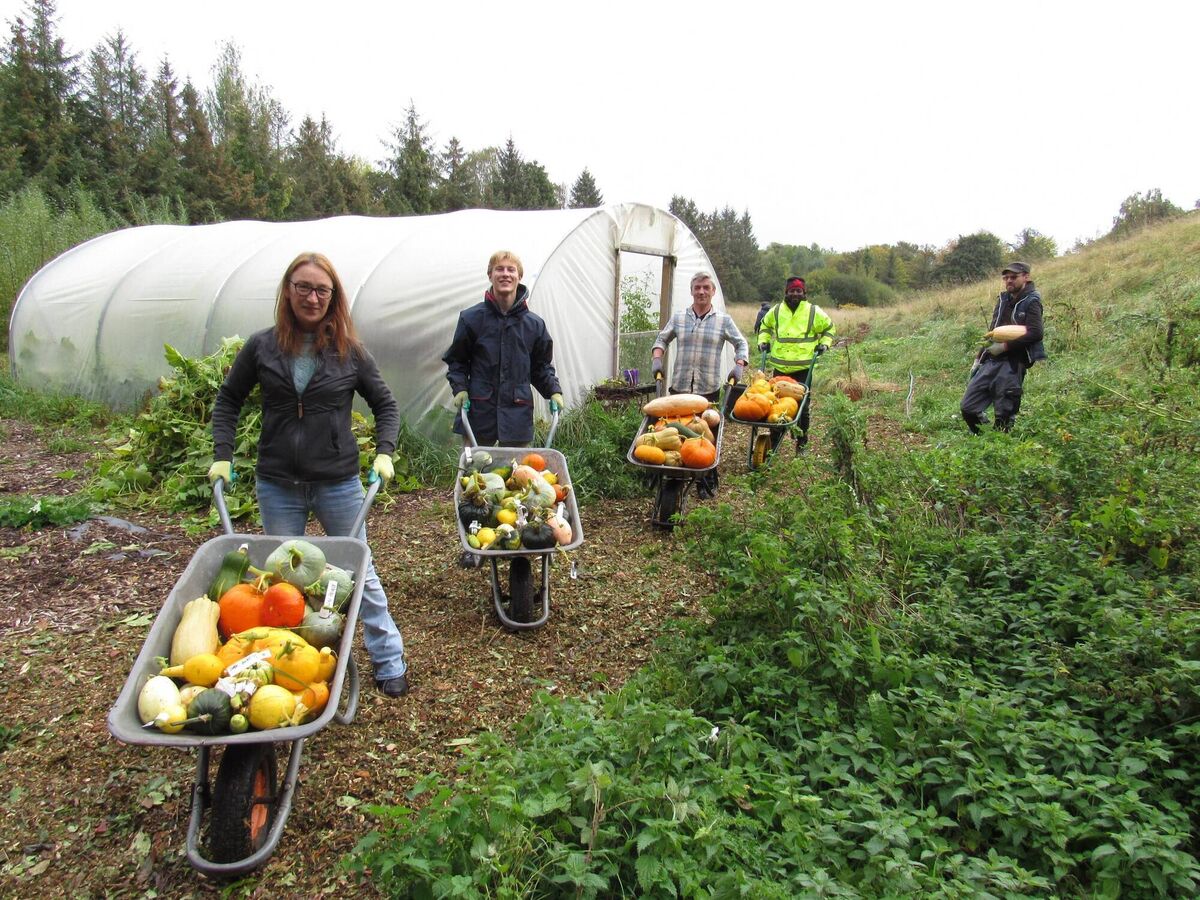
The horticultural facility at SHEP (Social and Health Education Project) which is fifty years old this year.

“My experience with Concern made me very interested in community work and community development. Since I came back, I haven’t worked as a teacher. I got into community work and I’ve been working with SHEP for 15 years. I feel very much at home here.”
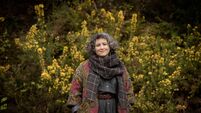
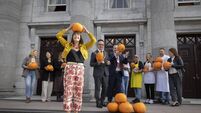
Being self-aware is important to Jim and his colleagues.

“I’ve grown as a human being since I’ve been here.”

SHEP has a staff of 23, more than half of whom are part-time. They typically would have worked in counselling, teaching, community work, social work, the arts and environmental work. The programme also has about 1,500 people available every year to run courses. They are not staff. They’re called facilitators. There is another group of about 130 who are counsellors offering a counselling service to around 500 people annually.

“On the counselling side, we support mostly adults but also teenagers and young people. It helps individuals who might have certain vulnerabilities.

“We have a small advocacy project that supports people who might not have many supports. There are a lot of people that are quite marginalised, particularly if they’re in hospitals or congregated settings.”

SHEP, which works across the community, gets its core-funding from the HSE.

SHEP projects 

“We’re not a clinical programme. We see ourselves as being involved in health and wellbeing. The HSE would see us an important contributor to preventative (initiatives) in health and wellbeing.

“We have a lot of ordinary people coming to us to do programmes in things like parenting. A lot of women who have done the parenting and want to get back into the workforce would do our foundation programme. We call it personal development. It’s about checking in with yourself, how you communicate and relate to others.”

Jim describes SHEP’s courses as “very low-tech. There are no power-point presentations, no need to take notes. There is no problem if you have literacy issues. So it’s very inviting and easy. People get to build trust and can be themselves and be real with each other. You could call our courses ‘life skills’.”

SHEP has, in recent years, done a lot of work to raise awareness about climate change and biodiversity.

“We are collaborating with others in a few projects in the city. We have taken over the management of a horticultural project which used to be managed by Childhood Matters. It’s an important project to support learners who want to know about horticulture,” he said.

While SHEP had no intention of starting a choir, it is something that popped up.

“People suggested a choir. Not everyone wants to do a course. But almost everybody can sing or can be supported to sing. It’s great for wellbeing and it has blossomed.

“The choir organises events from time to time and does some fundraising for our project in Nepal, for example. The connection with Nepal goes back 17 years, giving support to village communities.”

As well as receiving much of its funding from the HSE on an annual basis, SHEP also accesses funding from organisations such as Irish Aid, the ETB, Healthy Ireland and the Family Support Agency. It has benefactors as well.

For more see www.socialandhealth.com.

More in this section

Cheap European Homes: Cork's Carmel hopes to be bowled over in Spain Cheap European Homes: Cork's Carmel hopes to be bowled over in Spain
Conor and Jock return for series five of The Young Offenders Conor and Jock return for series five of The Young Offenders
Books: 'My Cork-set novel touches on the issue of toxic masculinity' Books: 'My Cork-set novel touches on the issue of toxic masculinity'

Sponsored Content

Where tech meets care: At the forefront of IVF Where tech meets care: At the forefront of IVF
10 minutes with Shannon O’Sullivan of Corlann 10 minutes with Shannon O’Sullivan of Corlann
10 minutes with Jason Cooke of Cheshire Ireland 10 minutes with Jason Cooke of Cheshire Ireland
Contact Us Cookie Policy Privacy Policy Terms and Conditions

© Examiner Echo Group Limited

Add Echolive.ie to your home screen - easy access to Cork news, views, sport and more