Why is my cold still lingering?
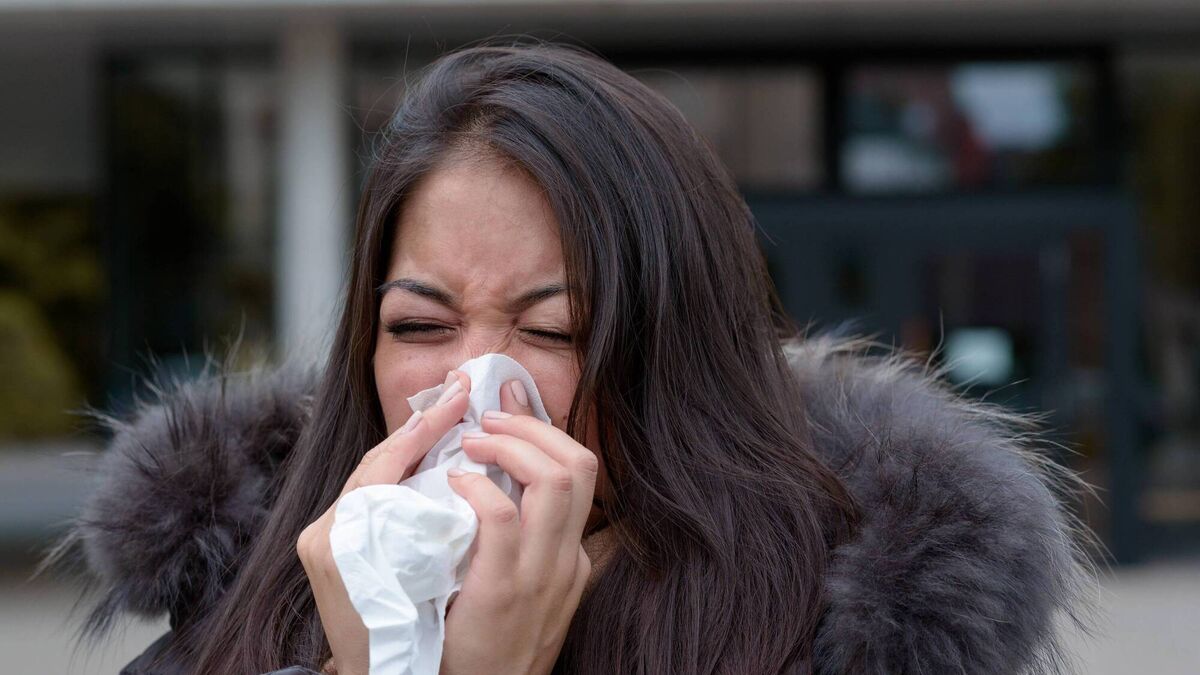
If you’re suffering from a stinking cold, it’s better to keep away from anyone who could be immune-compromised.
We expect to get colds over the winter, but this season it seems many people are really struggling to get rid of their sniffles.
Is there a particularly long-lasting virus circulating, are we just catching back-to-back bugs, or is this inability to shake-off winter ailments simply a result of reduced immunity after the pandemic?
Ron Eccles, an emeritus biosciences professor at Cardiff University, and former director of its Common Cold Centre, says winter is the most likely time of year for catching colds - especially as children have returned to school and nursery and viruses are spreading easily among them, and then their parents.
“There are also more colds in winter, and the wet weather has kept us indoors and the damp has helped viruses survive better,” he adds.
He points out that Covid is still around too, and adds: “If you’re suffering from a stinking cold, it’s better to keep away from anyone who could be immune-compromised, as the other cold viruses can also cause serious disease in the vulnerable elderly.”
Jeremy Brown, a professor of respiratory infection at University College London, says there’s no clear data on whether any long-lasting viruses are currently circulating, as very little information is collected about the duration of infectious symptoms. He notes some people’s symptoms could be caused by Covid: “Covid is pretty indistinguishable from other respiratory viruses. It can make people feel pretty rotten - more so than standard cold viruses, but perhaps no more so than flu.”
Common symptoms of Covid haven’t altered drastically - fever, sore throat, runny nose, cough and sometimes gastrointestinal symptoms like diarrhoea are all typical, and prolonged symptoms range from dizziness and breathlessness to smell and taste disturbance.
Brown says it is possible viral infections are worse or more prolonged after the pandemic, however: “There’s been what seems like a bounce-back with frequency of infection with some respiratory viruses, although it’s always hard to be sure, as their incidence varies year to year anyway. This is not Covid impairing immunity, but lack of exposure to respiratory viruses weakening adaptive immunity to the viruses, so they can more readily infect when they’re circulating.”
Similarly, GP Dr Alisha Esmail says: “One theory about lingering cold symptoms is the ‘post-Covid effect’, in that we had less exposure to the classical winter viruses due to quarantining and isolating, and so we’re catching up now on rebuilding our immune responses.
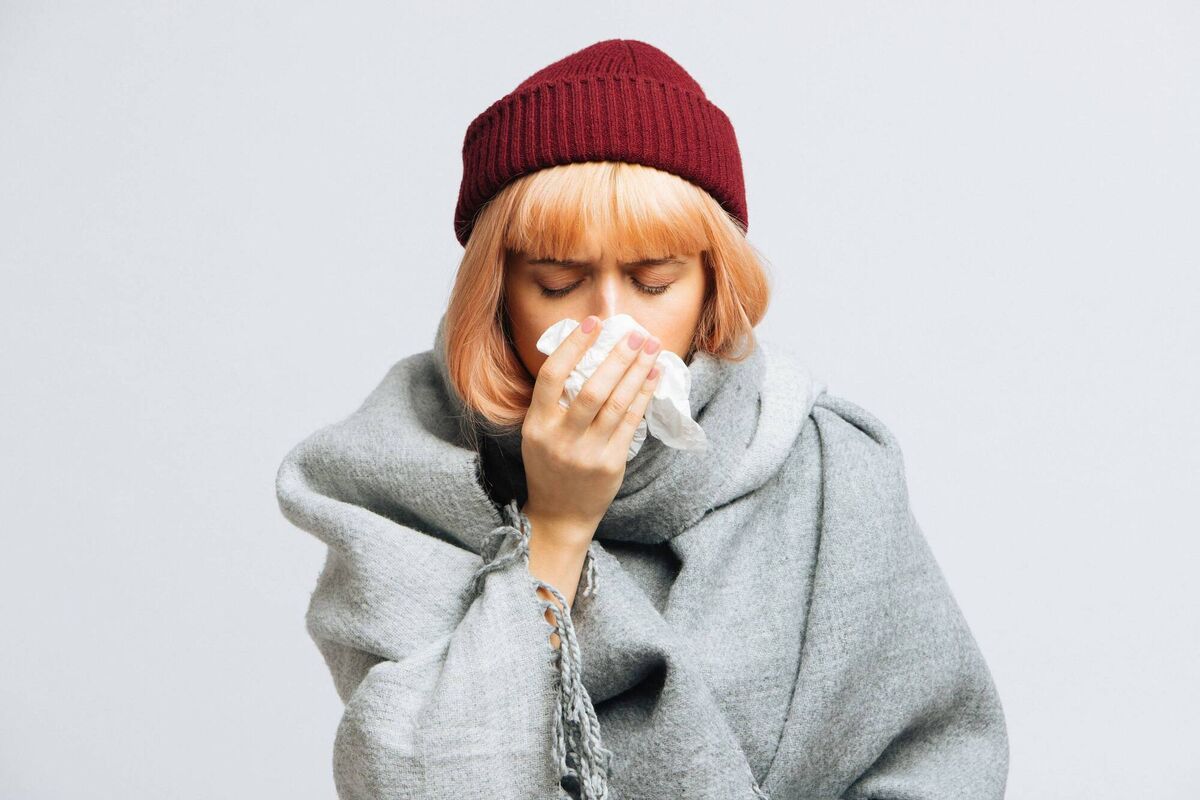
Some people are reporting a long-lasting cough, dubbed the ‘100-day cough’. In some cases, this could be whooping cough. Brown explains: “Whooping cough is a dry cough that goes on for three months, but not really with sore throat, runny nose etc, just a cough.”
Esmail adds: “As far as we know, there are no new or particularly virulent viruses at play this winter, but all have different subtypes and can easily mutate, hence the possibility of catching them multiple times and in different ways.”
She says a typical cold usually lasts about seven to 10 days, and severity of symptoms can depend on the virus, as well as the affected person’s individual immune response. But if symptoms persist beyond three weeks, worsen suddenly, or you have a high fever or breathing trouble, a GP visit is a smart move.
Also, if symptoms really do linger, Esmail says there’s a chance it might be connected to seasonal allergies, sinus infections, underlying wheeze (like in asthma) or even “bacterial gate-crashers” - i.e. bacteria that have jumped on board, in which case, antibiotics may be needed (but these won’t help if it’s a virus).







 App?
App?


