How to support a friend who is grieving their life partner
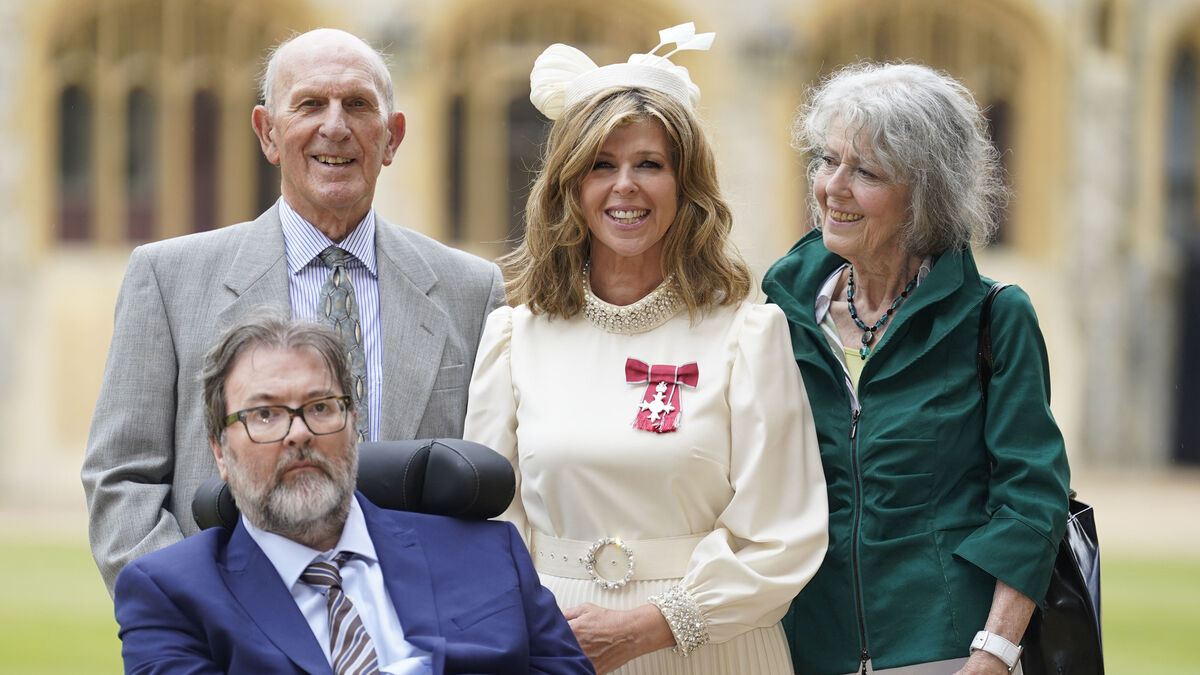
TV presenter Kate Garraway, with her husband Derek Draper and her parents Gordon and Marilyn Garraway. She thanked her friends for their support when Derek died recently
WHEN TV host Kate Garraway announced earlier this month that her husband, Derek Draper, had died after a long battle with Covid, she spoke about dealing with the “raw pain of grief”.
The Good Morning Britain presenter had been married to the 56-year-old former lobbyist turned psychologist and author since 2005, and they had two children.
In a statement, Garraway thanked her friends and colleagues as well as viewers for their messages of support.
So, how do you support a friend who has lost their spouse or partner? Bereavement and grief specialists share some thoughts...
Offer to listen whenever they are ready to talk
There’s often a lot of support immediately following somebody’s death. But grief has no timeline, and does the need for support.
“Make sure they know you haven’t forgotten their grief in the months and years following a bereavement, and that you are happy to listen if they want to talk about it,” said Bianca Neumann, head of bereavement at UK national bereavement charity Sue Ryder.
“The most important thing is to listen, and focus on what they are saying to encourage them to open up in a safe space.”
Offer to join them in activities
Though each bereaved person’s experience will be different, offering to join them in doing things together could be helpful on lots of levels.
“Find a hobby or activity that they enjoy and offer to accompany them - whether that is going for a run, doing DIY, walking or watching sports,” said Neumann. “People often talk better whilst doing something and this may encourage them to open up, whilst also taking part in something they enjoy.”
Offer specific help
If your friend is grieving, it’s easy to feel helpless. But there are often lots of ways you could help - however, being specific about it is best.
Louise Bowen, bereavement coordinator at Marie Curie, said: “Rather than saying, ‘Let me know if you need anything’, try to offer specific help, for example, offer to do the shopping or to cook dinner on a certain day.
“Remember, sometimes grieving people find it difficult to ask for help when they’re already feeling vulnerable, so be vigilant and practical about how you can support them and make their life easier, and let them know that there is no time limit on your support,” Bowen explained.
Gift them some writing kit
Supporting them in writing down their feelings may sometimes be helpful. As Andy Langford, clinical director at Cruse Bereavement Support, said: “Writing letters can be really comforting. Letter writing helps you get off your chest anything you had left to say to the person.”
A journal could be similarly beneficial - providing a space to help people “sort out [their] thoughts” and “record memories of good times” they shared with their loved one, Langford explained.
Don’t tell them they will ‘heal’, ‘move on’ or ‘get over it’
Neumann said: “When someone is first bereaved, they may not be able to imagine a future without the person who has died. They might worry about their memories fading, and find the idea of ‘moving on’ or ‘getting over it’ very upsetting.
“People often say ‘time is a healer’, but bereavement isn’t about healing, so much as finding ways to live with grief.”







 App?
App?


