Two-part TV series looks at Ireland's ‘Vanishing Triangle’ and cases surrounding Ireland's missing women
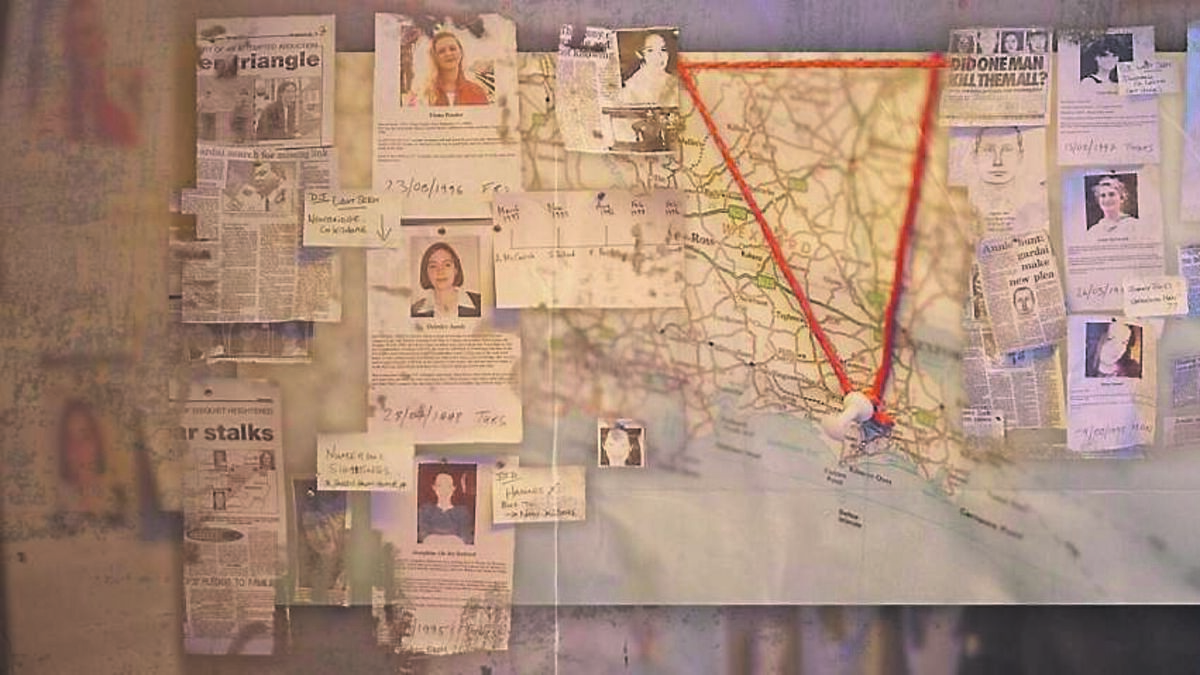
The theory suggests the disappearances of young women during the 1990s are mysteriously linked by geography, circumstances and even perpetrator.
On the surface, some of these cases are remarkably similar. Others, however, are significantly different with suspicion often falling on alleged perpetrators known to the victims.
Without a body or a crime scene, a missing person case can be extremely difficult to solve. Each has its own reality, and its own set of circumstances.
For the first time, a landmark two-part series, Missing: Beyond The Vanishing Triangle on RTÉ1 on Monday (May 8) at 9.35pm, critically examines the idea of a Vanishing Triangle and raises fresh questions about the investigations.
Often, these missing women cases are classified for decades as a missing person rather than a murder inquiry. Most remain unsolved to this day- leaving families in the dark, looking for answers, and calling for the cases to be upgraded to murder.
The series takes as its starting point the disappearance 30 years ago of Annie McCarrick in March, 1993, at a location within the so-called Vanishing Triangle.
It charts the multi-faceted and at times surprising ramifications of her disappearance - alongside others such as Deirdre Jacob, Jo Jo Dullard, Imelda Keenan and Phyllis Murphy - on the investigation of other cases of missing women and draws links between these disappearances. It also highlights other less well-known cases going back several decades such as Patricia McGauley and Mary Cummins.
Episode one begins with the case of 26-year-old American Annie McCarrick, who disappeared without a trace from her Dublin home.
A recent upgrade of the case to murder gives her family renewed hope. But might vital clues have been missed?
In the second episode on May 15, it’s 1995 and more women such as Jo Jo Dullard, Deirdre Jacob and Fiona Pender go missing. The public is afraid, and gardaí are under pressure to get results.







 App?
App?


