Now is the time to protect and serve as icy snap arrives
As winter finally exerts its icy grip, gardeners must ensure they prepare the ground, says Olive Ryan
Now is the time to protect and serve as icy snap arrives

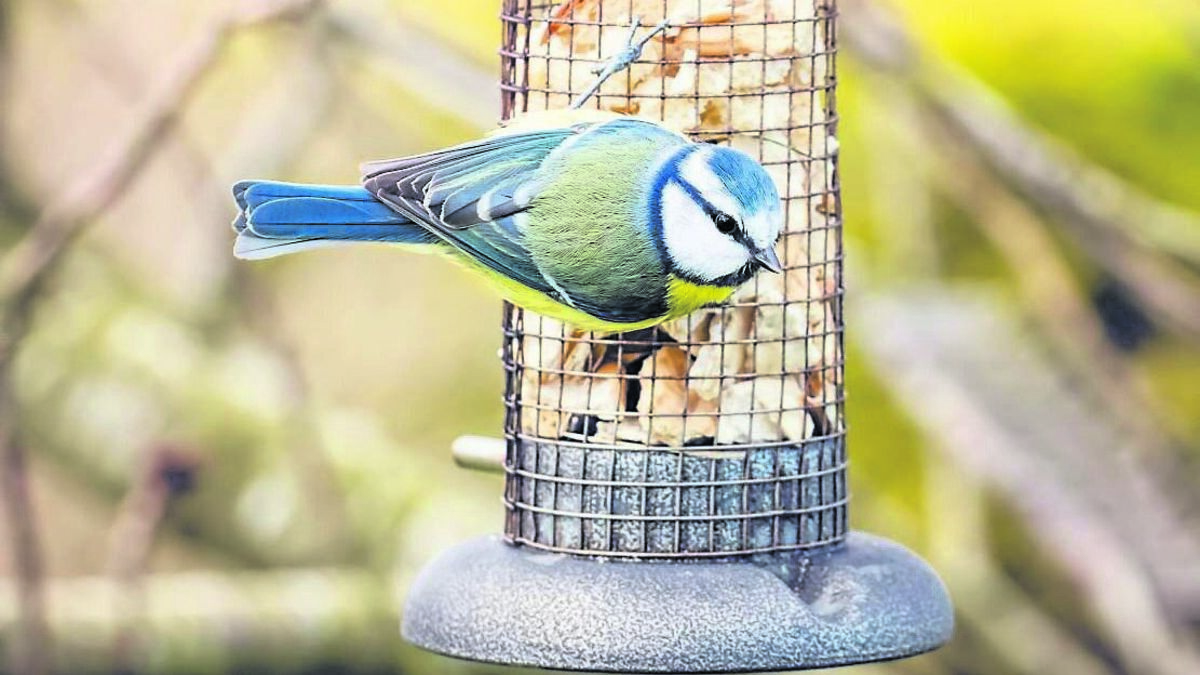
It’s time to put out the bird feeders again

LOTS of plants in the garden are melting into the ground now, shedding their leaves and shutting down for the winter months - and we had the first cold snap of the year this week as the season’s icy grip began.

It leaves our gardens looking bare and stripped back to the structural elements for the few months of the winter.

It is now that we can see the bones of the garden and identify areas that could be added to, or maybe overcrowded areas that need to have plants moved, or some renovation pruning undertaken.

Maybe there are more evergreens in one area of the garden than another, creating some imbalance in the appearance once the winter arrives? Now is the time to identify and resolve these issues, and as plants are dormant, it is a good time to move them now also.

It can be a tricky time of the year for pruning as some plants, if pruned severely now and we get a hard winter of frosts, may die, so do check first if winter pruning is desirable.

Evergreen trees and shrubs start to shine at this time of year as bare branches (which have their own charm) begin to appear all around them. They provide interest, privacy and structure in the garden and can be in the form of hedges, specimen trees, topiary or specimen shrubs strategically positioned in the garden.

The famous yew tree at Blarney Castle gardens. The yew is a native evergreen

Yew, holly, ivy, Scots pine and juniper, as our native evergreens, are always a popular choice for planting and also as foliage for seasonal arrangements, providing a rich green backdrop for festive displays. Holly, ivy and Scots pine can be seen growing in most hedgerows throughout the country, yew is perhaps more commonly grown near churches or graveyards as it is poisonous and best not planted where animals could graze on it.

Every part of the yew tree is poisonous except for the fleshy coating around the seed, with the seed itself being the most poisonous part containing the highest concentrations of taxine, the toxic chemical giving yews their poisonous attributes.

Elaeagnus, Pittosporum, Daphne, Ceanothus, Skimmia, Euonymus, Sarcococca, Eucalyptus and Myrtle all produce excellent evergreen foliage to be admired for the winter months, and these plants are worthy of a place in the garden for their structure, foliage effect and usefulness in floral arrangements throughout the year.

The more facets that a plant has, the more appealing it is to have it in the garden, and particularly when gardening in a limited space.

When planting the garden, it is wise to choose plants that provide many useful aspects to having them in the garden. Foliage is one aspect, but flower, scent, fruit, autumn leaf colour, interesting bark, stem colour, providing habitat and supporting wildlife are just some of the aspects of a plant to consider.

The more that a plant has to offer, the more attractive it becomes as an element in our gardens.

The appealing elements of a trees and shrubs come under particular scrutiny during the winter months when the garden is stripped back, all is revealed and we actively seek out attractive and interesting characteristics of different plants.

Winter can be a lean time and it can be really rewarding to walk out into the garden and find pleasure in the smallest revelations that nature has to offer and that we are responsible for planting.

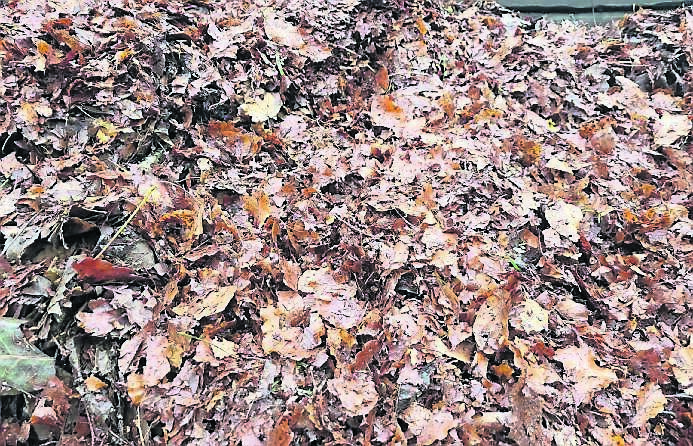
Between now and the end of the year, there are a few weeks to gather leaves to create some magic in the form of leaf mould, which has so many uses in the garden, from use as a seed growing medium to mulching and top-dressing, used as a soil improver to increase water holding capacity of a sandy soil, to improve drainage in a heavy soil.

Beech oak and horn beam make the best leaf mould with the larger leaves of horse chestnut and sycamore benefiting from being chopped up.

Generally pure leaf mould is low in plant nutrients, but contains plenty of valuable soil microbes that encourage healthy root growth and so create a great rooting environment for newly germinating seeds.

There is still time to collect leaves before the end of the year

The nutrient value of leaf mould can be increased by adding some grass clipping to the mix and letting them rot down together. This can be a useful exercise as the lawnmower can be used to do the final cut of grass, as well as picking up and shredding deciduous leaves that may be covering the lawn.

This will mean stopping more frequently to empty the grass bag, but the resulting material will eventually become a delicious and nutritious medium, ideal as a top-dressing material to feed plants in the garden.

With the temperatures dropping over the last week, some plants may need protection if being left outside and any tender plants brought in for the winter like dahlia tubers, cannas and bananas need to be kept in a frost-free environment.

It’s time to get the roll of horticultural fleece out, and straw is also a good insulator as a layer around tubers or around plants in the shed.

Established tree ferns in a sheltered location will usually overwinter fine, but put some dried leaves at the growing tip where the new fronds emerge in spring to protect against severe frosts, particularly if there is a prolonged cold spell, and horticultural fleece is always a useful material to have on standby for those really cold nights.

It’s also time to get the bird feeders out once more. Until recently, with the milder temperatures the supply of berries was plentiful, but with the arrival of frost it is lean times for our feathered friends and they will be most grateful for filled feeders full of mixed seeds strategically positioned in the garden so that the birds cannot be preyed upon by cats!

Happy Winter Gardening!

Read More

Great gift ideas for the gardener in your life

More in this section

Cork town’s mission to transform former parochial hall into theatre  Cork town’s mission to transform former parochial hall into theatre 
The Village Pubs of Cork: 'We hold keys and take messages... our pub is a community service' The Village Pubs of Cork: 'We hold keys and take messages... our pub is a community service'
In the garden: Crocus is the first symbol of springtime In the garden: Crocus is the first symbol of springtime

Sponsored Content

Turning risk into reward: Top business risks in 2026 Turning risk into reward: Top business risks in 2026
Top tips to protect Ireland's plant health Top tips to protect Ireland's plant health
River Boyne in County Meath, Ireland. Water matters: protecting Ireland’s most precious resource
Contact Us Cookie Policy Privacy Policy Terms and Conditions

© Examiner Echo Group Limited

Add Echolive.ie to your home screen - easy access to Cork news, views, sport and more