In the garden: Crocus is the first symbol of springtime
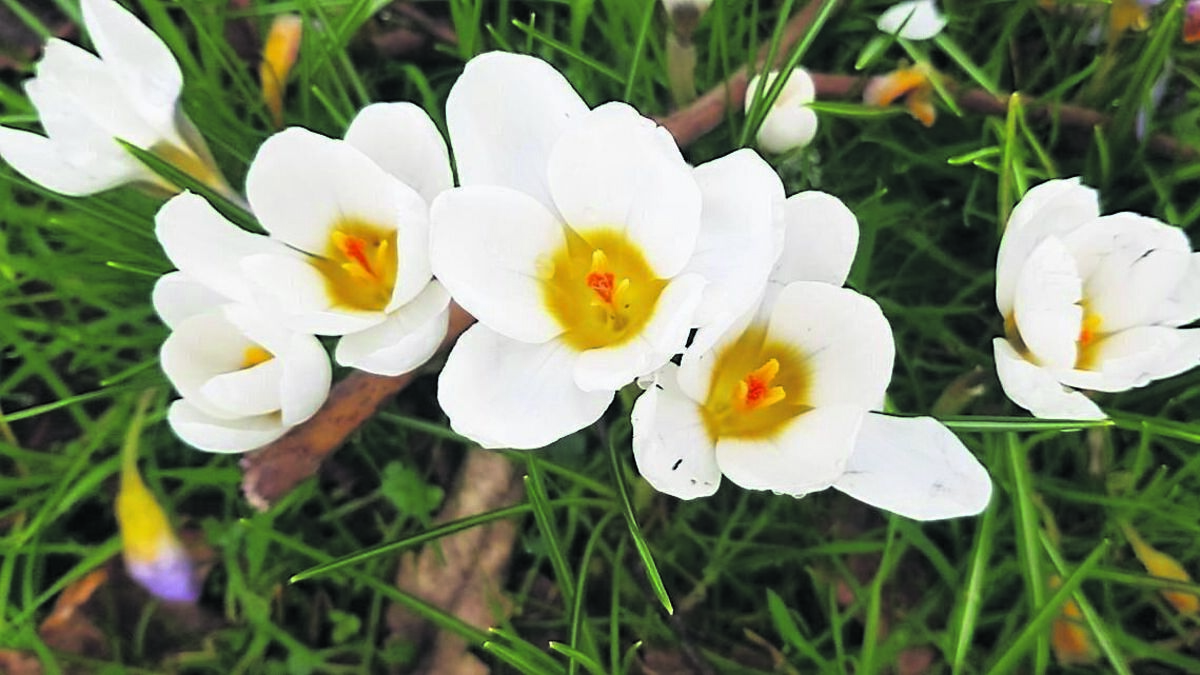
On sunny January days, some early crocuses remind us spring is on the way
Is it too early to start noticing a grand stretch in the evening?
Perhaps ‘grand’ is a little premature, but there is a bit more light beginning to emerge each day, giving us hope for the spring that is ahead.
The 10 weeks of shortest days are now officially over and spring is just around the corner. Snowdrops are peeping up and daffodils are starting to push through the soil now too.
We are entering the time of year when those spring-flowering bulbs lure us out into the great outdoors as we poke and prod around, desperate for some spring colour!
Crocuses are one of the stalwarts - even in the frosty weather they will appear cheerful and full of promise. Native to central and southern Europe and across much of north Africa and the Middle East, they grow best in woodlands, open meadows, and alpine mountain regions. They are bulbous in nature, springing to life early in the year, with the foliage dying back into the corm where they remain summer dormant until re-emerging the following year.
Crocuses look great planted in pots for their first year, after which they can be transplanted out into the soil where, provided they are happy, they will multiply year on year, reappearing in greater numbers.
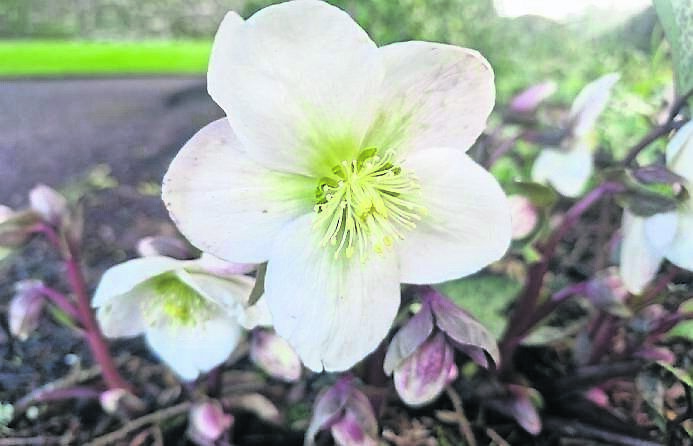
Christmas roses are providing great colour and interest to accompany the snowdrops, crocus and eranthis now also.
If the old foliage has not been removed yet, now is the time to get out the secateurs and get chopping. There is plenty of pruning to be completed now when plants are dormant, but do check timings for different shrubs in particular before going too hard as flowering on old wood can mean that a severe prune at the wrong time will result in a year or two with no flowers.

Also, winter can be a risky time to severely prune some plants as if we do get a very cold spell it may kill them as their crown in exposed.
Roses, apples, pears, raspberries, loganberries and currants all need some attention now before growth begins, and pruning can have the effect of increasing flowering and fruiting and rejuvenating a plant.
It is a great time to consider a clean out of the glasshouse or polytunnel. Green algae can develop on the glass or plastic which blocks some of the sunlight and leads to less favourable growing conditions once the temperatures improve.
A wash using a solution of equal parts apple cider vinegar and water will help remove the algae and disinfect the structure, creating a healthier environment for all of the new crops for the growing year ahead.
It is also a great time to mulch the soil with seaweed or garden manure to feed the soil, improve the structure and drainage, and prepare for the growing year that is on the horizon.
Ensure that any weeds are removed before adding mulch to the surface of the soil, as perennial weeds in particular will most likely persist and push through the mulch.
The no-dig approach is great for the structure of the soil, adding layers on top to feed soil life and allow it to incorporate the organic matter down into the top few inches.
There is still a few months before crop planting will begin in earnest and the soil can work away at integrating and absorbing the newly-added mulch. This absorbing of the top mulch layer takes place and as a result digging is not necessary and soil life can continue undisturbed beneath the surface.
Of course, occasional digging maybe necessary to alleviate compaction or to remove stone or rubble, but if the beds are not walked on, then the no-dig approach will work its magic to great effect.
It’s too early for sowing seeds just yet unless it is hardy sweet peas going into the soil. If these are sown now then some early flowering plants will result as the young plants can be transplanted out into the soil before the risk of frost has passed.

It is very symbolic getting seeds into the soil, but do not get over-zealous as disappointment will result!
A heated bench can be very useful early in the growing season and it can also lead to etiolated and soft growth if seeds are not monitored and moved on quickly enough.
Long season crops like chillies, tomatoes, peppers and onions can also be sown soon, provided indoor growing space is available.
This is my last weekly column for now and I would like to take this opportunity to say thank-you to you, the readers, for sharing part of this journey with me over nearly the past 10 years.
It has been an honour, privilege and pleasure to write this column. It has taken me the length and breadth of the country, looking at gardens and getting ideas old and new to introduce to the garden.
I have enjoyed meeting like-minded gardeners along the way, who have been generous with their knowledge and advice.
I would also like to thank all of the guest writers that have contributed to this page over the last number of years, and to my editors, John Dolan, Mary Corcoran, and Elaine Duggan.
May we all continue with our love of all things green and growing for many years to come.
I have learnt a lot from writing and researching this column over the years and I hope to continue learning and trying new things.
As we look forward to spring and the growing year ahead, I wish you all a happy gardening year for 2026.

App?