Which exercises are most beneficial during menopause?
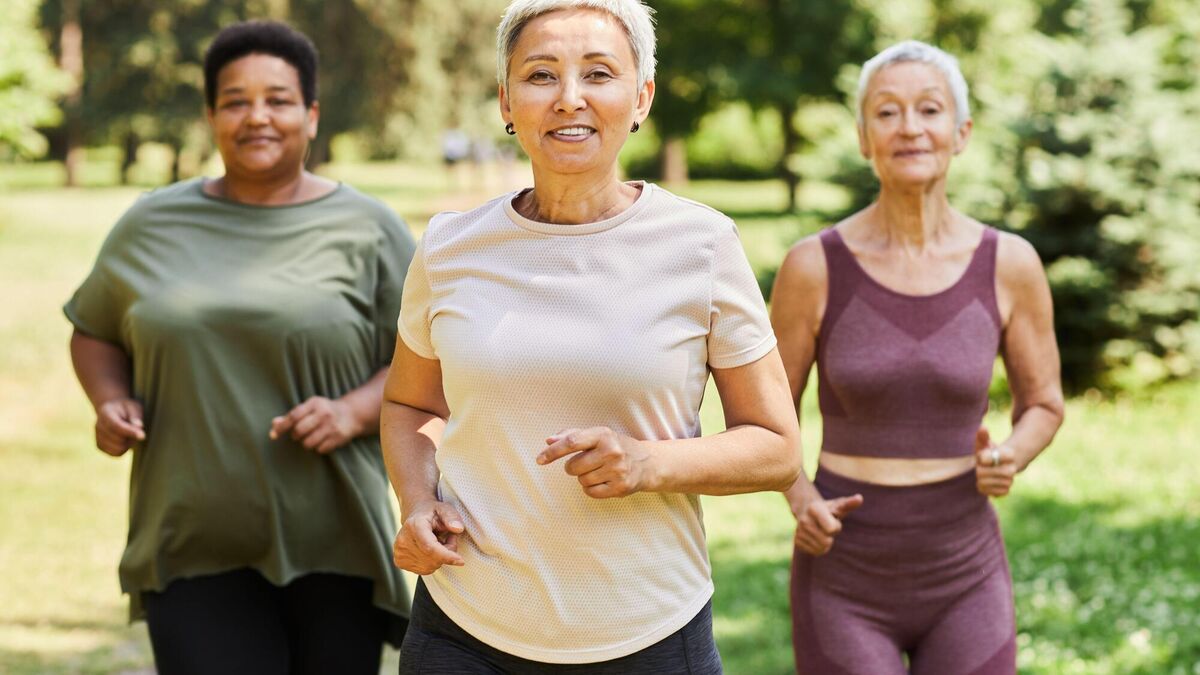
Could certain types of physical activity improve symptoms associated with menopause and boost overall wellbeing, asks CAMILLA FOSTER.
Which exercises are most beneficial during menopause?

Lots of women have issues with insulin resistance and pre-diabetes when they are perimenopausal and menopausal because their metabolism changes, but exercise can help, says Mather.

New research indicates that exercise plays an important role in improving women’s mood during the menopause.

Researchers at University College London (UCL) analysed 12 trials involving 1,003 women aged between 40 and 65 and their findings suggested that physical activity could help reduce depression, improve mood and enhance overall quality of life.

The researchers observed notable reductions in depressive symptoms among women in perimenopause and early post-menopause.

Exercise can do wonders for both the mind and body, but are there certain workouts that can really help women thrive during this stage of life?

We spoke to Dr Lucy Mather, a GP and British Menopause Society (BMS) registered menopause specialist, to find out.

Strength training

Strength training can help protect and build women’s bone density later in life.

“When you are perimenopausal, menopausal and postmenopausal, your oestrogen [the female hormone which is essential for healthy bones] levels reduce which increases the risk of osteoporosis in the long-term,” explains Mather.

Osteoporosis is a health condition that weakens bones, making them fragile and more likely to break.

“Fractures can cause significant issues for people later in life in terms of their mobility,” says Mather.

“So, doing strength training is really important for women as it specifically helps to reduce that bone loss and support bone restructuring and regrowth.”

Strength training can also help preserve and build muscle mass during and after menopause.

“Falling oestrogen levels during menopause can also lead to muscle loss as well, but strength training helps ensures that your muscles stay strong for a long time,” says Mather.

She adds that muscle also plays a really important in our metabolism and metabolic processing.

“Losing muscle mass can have a negative impact on your metabolism and can lead to poorer metabolic processes and outcomes. For example, it can increase the risk of type 2 diabetes and lead to poorer metabolic control in terms of things like cholesterol,” says Mather.

“So, from a metabolic point of view, strength training can help improve your long-term metabolic health.”

If you are new to strength training, Mather recommends seeking professional advice and encourages women to find an environment that they feel comfortable in.

“That might be a women’s-only gym, a group strength training session, or a one-on-one personal trainer session,” suggests Mather.

Cardiovascular (aerobic) exercise

“Cardiovascular exercise is also really important, and doing a couple of brisk walks, runs, swims or stints on an exercise bike a week is recommended,” says Mather. “These types of activities raise your heart rate and help boost your overall cardiovascular health.”

Regular cardio can also have a positive impact on metabolic health.

“Lots of women have issues with insulin resistance and pre-diabetes when they are perimenopausal and menopausal because their metabolism changes, but exercise can help,” says Mather.

“Little things like going for a walk after you’ve had dinner can help lower and reset your blood sugar levels.”

The GP also recommends taking your cardio outside.

“Getting outside in nature is always really valuable,” says Mather. “Getting outside in the morning light for some cardiovascular exercise can help reduce anxiety, create that feel-good factor related to endorphins and can be a bit of a stress release too.

“Make cardiovascular exercise a priority by planning out exactly when you’re going to go for your walks or runs throughout the week.”

Balance and mind-body exercises like yoga or pilates

Low-impact, mind-body exercises like Pilates and yoga can help manage physical, mental and emotional symptoms of menopause.

“Yoga and pilates are really beneficial from a flexibility point of view, which is important as you get older to help maintain and improve balance and reduce the risk of falls,” says Mather.

“In addition, I often see menopausal women in clinic who have very busy, stressful lives and doing yoga and mediation provides them with a time to fully relax and unwind their body and mind.”

A big advantage is that these types of activities are often done in a group setting.

“Lots of women feel very isolated during this time in life and these classes and group exercise settings help provide a place for social interaction and can help boost confidence,” says Mather.

She recognises that yoga might not be for everyone, so encourages women to find any activity that helps them feel relaxed and calm.

“Some women find swimming really relaxing and others like using meditation apps,” says Mather.

Pelvic floor exercises

“One of the biggest barriers that stops many women from exercising during the menopause is urinary incontinence,” says Mather.


“Many women are worried about experiencing urinary leakage or losing control of their bladder completely while on a run or at the gym, which might actively stop them from exercising in the first place.”

However, she highlights how pelvic floor exercises and medication can help. “Using local vaginal oestrogen at a very low dose regularly can help reduce bladder irritability and bladder leakage and alongside pelvic floor exercises can also help improve women’s pelvic floor strength and tone and help women get back to exercise,” says Mather.

Talking to a GP about these symptoms is a good starting point, and they might then refer you onto a pelvic floor physio.

“Pelvic floor physios are really valuable at providing personalised advice about pelvic floor exercises,” says Mather.

More in this section

row of different color cars on asphalt parking lot at cloudy summer day Julie Helen: Good access is really about feeling safe and comfortable
Girl counting US Dollar bills, using calculator, and writing expenses. Woman doing budget, estimating money balance for shopping 9 bad money habits to avoid in the lead-up to Christmas
Cork researcher: ‘It’s time women’s health is given the research it deserves’ Cork researcher: ‘It’s time women’s health is given the research it deserves’

Sponsored Content

The office worker presents a document to the client across the desk. Pensions become part of the talent equation
CS ESB Networks Oct 2026 Got a smart meter? Time to unlock its value with an ESB Networks online account
 ‘I don’t feel like myself any more’. Why Irish women are missing the signs of menopause ‘I don’t feel like myself any more’. Why Irish women are missing the signs of menopause
Contact Us Cookie Policy Privacy Policy Terms and Conditions

© Examiner Echo Group Limited

Add Echolive.ie to your home screen - easy access to Cork news, views, sport and more