WoW Bites: ‘Many are cut off from the traditions of preserving food, I want to change that’
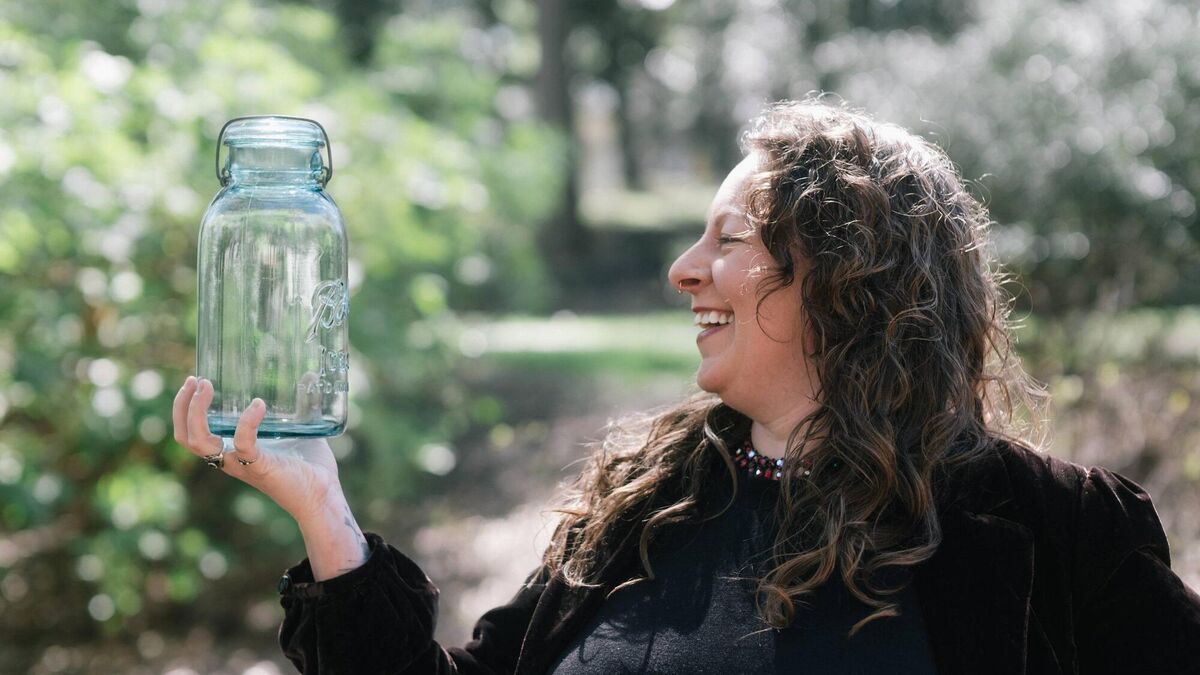
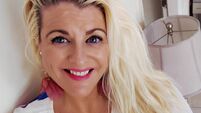
In this month’s WoW Bites!, KATE RYAN meets Dr Julia Skinner, who divides her time between Cork and Atlanta. Julia tells Kate about her fascinating career journey and how a dream led her to Cork.
WoW Bites: ‘Many are cut off from the traditions of preserving food, I want to change that’

“I think there’s a lot of people who are very curious about preserving for a variety of reasons, but many are cut off from the passed down traditions of this stuff," says Julia. 
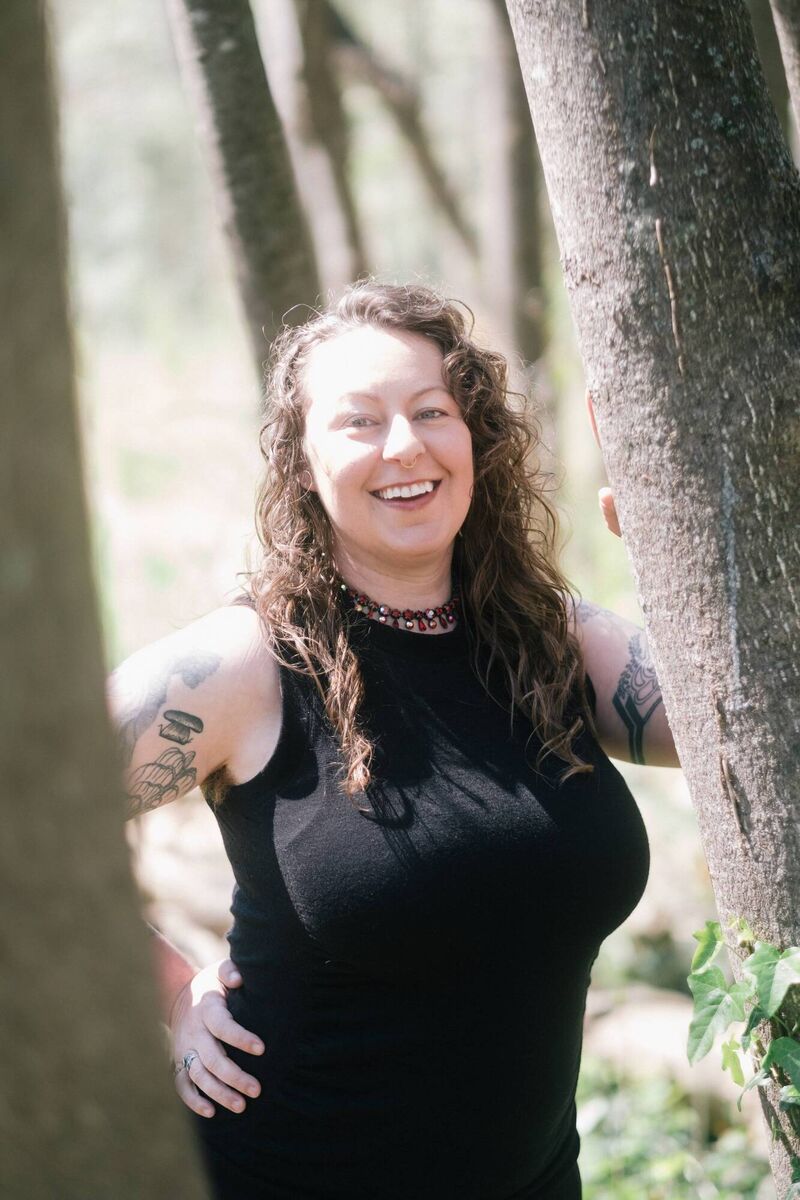
Dr Julia Skinner could be described as a food writer, historian, fermenter, archivist, rare books fanatic and writing coach. At least, those are the first few layers to the wonderfully complex, yet happenchance life Julia has created for herself – a life that, at the centre of it, is one of food and writing.

After a childhood spent in Boulder, Colorado, then Iowa, Florida, and New York, Julia now splits her time between her U.S home in Atlanta, Georgia, and Cork city.

Although always interested in food, it was an academic interest in food history that first brought these strands together.

While studying her MA in Library Science, she collaborated on a research project called Modernizing Markham, which reinterpreted 17th century recipes from The English Huswife by Englishman Gervase Markham, for the modern kitchen.

After gaining her PhD, Julia went to work as a rare books curator in Atlanta; but while the work was fulfilling, the environment was not, and Julia left her beloved rare books without a plan.

That was 2018, and in short succession, Julia lost both her grandmother and mother. “The last words my mom told me were, tell people about food,” says Julia. A few weeks later, she joined a residency in Tennessee with world-renowned ‘fermentation revivalist’ Sandor Katz, making ferments and building a cobb oven.

“It was transformative for me. I had left my job in Atlanta; I was really unhappy, didn’t have anything else lined up, and just wanted to see what happens. I had this moment to think about what my job would be, and I wanted to work with food.

“It was a challenging but also powerful time because I needed to anchor into something meaningful. That space with Sandor Katz was very welcoming, open, supportive. I learned a lot, but it also made me feel like I was a part of carrying on and sharing these [food] traditions in a way that really solidified my desire to write about and share them, as opposed to just practicing them in my home. It became an act of stewardship as opposed to just holding the knowledge.”

Julia said she first started preserving food, because at the time, she “didn’t have a lot” of it.

Julia’s metamorphosis was completed when her book, Our Fermented Lives, was published in 2022.
“My idea for Our Fermented Lives was to focus on the ways we work with ferments. Every chapter is around ferments for life, ferments for health, ferments for food preservation - all the ways we’ve worked with them throughout millennia,” says Julia.

“That book became so powerful in this ever unfolding trajectory of this crazy career I’ve come up with because it put me in touch with so many great people. It situated me as a person who wasn’t just part of the conversation about fermentation but somebody with a voice that had some authority,” says Julia. “There were a lot of people talking about the history of fermentation [when I wrote the book], but it hadn’t been cohesively pulled together before. It was really rewarding to do that.”

The story of how Julia came to be in Cork is also one of those crazy career trajectories that, somehow, still seemed to work out just fine.

“It was 2021, and I had a dream that said very clearly to go to Skibbereen. It felt significant, but I’d never been there before; I had no knowledge of it and didn’t know why I was thinking about it. But I bought a ticket and went to see what this town is like, and I loved it. It’s a great town, but I don’t have a car, so I’m in Cork city!”

Currently in Cork for our much-cooler-than-Atlanta summer, Julia is gearing up to launch her latest book, Essential Food Preserving.

The book has been described as “the new bible of food preservation,” and covers all methods of food preservation including canning, freezing, drying, smoking, pickling and fermentation from kimchi to kraut to koji. Writing the book, Julia says she found herself upgrading her own skillset, with some preservation methods new to her.

“In writing the book, I was being asked to articulate aspects of my work that I knew but I had never put down, and to expand my repertoire,” says Julia. “For example, I’ve been doing canning for years, but pressure canning I had not done prior to this. I love my pressure canner now; I still find it low-key terrifying, though! It’s a wonderful device, but they’re kind of intimidating.”

The book also includes methods for smoking meat and fish. “Prior to writing the book, I mostly used smoking for flavour (rather) than preservation, so it was interesting to use it in a new way, and something I would love to do more of.”

In this way, the book is a technically precise, how-to guide, accessibly written to make you feel as though Julia is with you in the kitchen, guiding you to preservation success.

Julia breaks down perceptions that preservation is time-consuming, inviting us instead to have fun experimenting then enjoying the efforts of your labour long after the work is done.

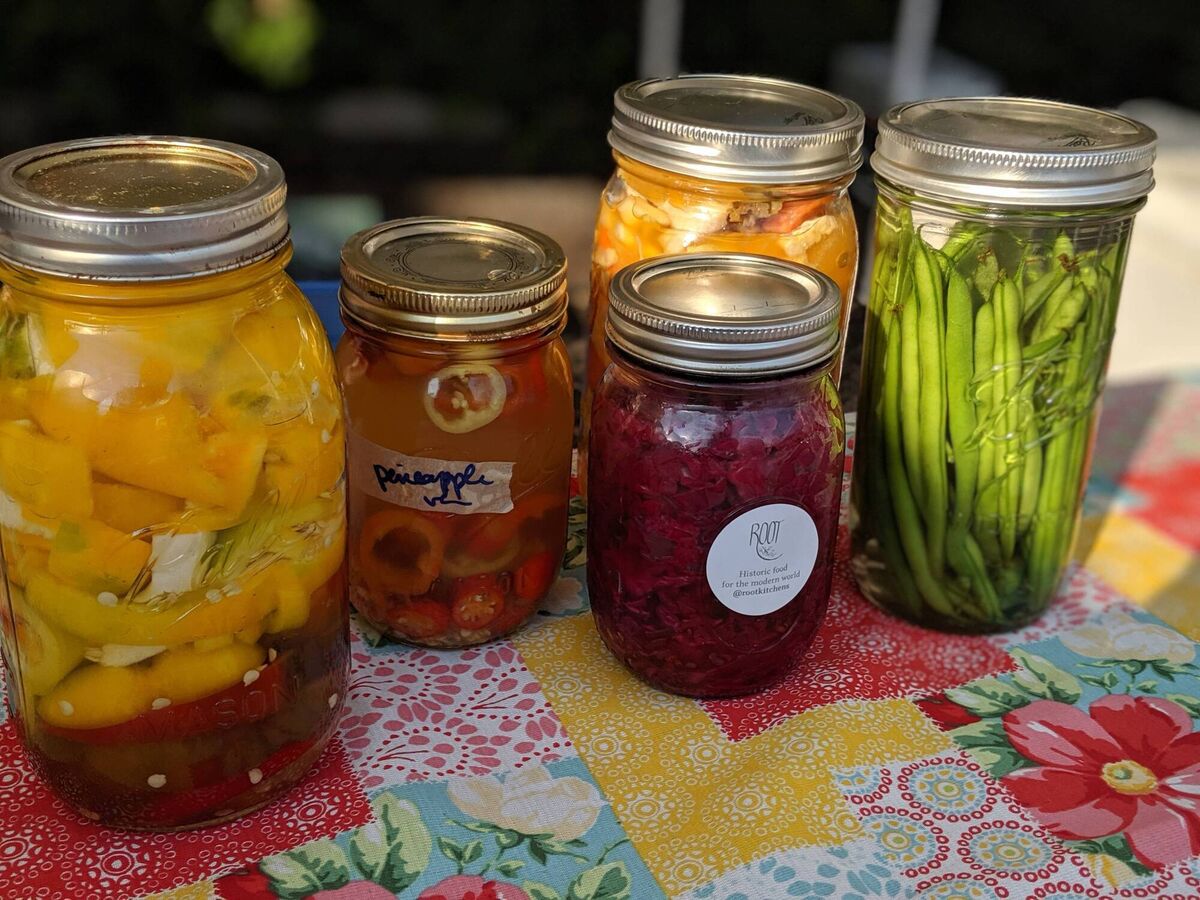
Julia’s new book covers all methods of preserving food including pickling and fermentation.

“I took perspectives from my earlier work on food as more than a community builder; it’s a way we carry on traditions about how food preserving can fit into our lives - whether you’re super-busy or don’t have a lot of equipment. Preservation can fit in and be a meaningful part of your life,” says Julia.

“I think that’s what sets this book apart from other preserving books is that it’s heavier on the context and how you can make it work in your life, with what you have, and the kind of things you’d like to eat, whereas most preserving books are just how you make the mix.”

As a combination of technique and recipes, the book is rocket fuel for kitchen inspiration.

“There’s a lot of things in the book, like canning for example, where there’s one specific way you do that. It’s not like making a ferment and I might add a little bit more of this and go on vibes. You cannot do that with canning; there is one way to pressure-can squash!

“I’m not reinventing the wheel; I’m looking at the tested, trusted ways people can squash and I’m telling you how to do it that way.”

Canning is popular in the U.S, gifting us glorious images of shelves full of brightly coloured preserves in Mason jars. But what is it?

“Canning is a process of preserving food by boiling it in jars. This removes the air and creates a vacuum seal. It also heats the food sufficiently to prevent pathogen growth,” explains Julia. “There are two methods of canning: hot water bath canning for high acid foods like jams and pickles, and pressure canning for low acid foods like carrots, green beans, asparagus, etc. The acidity of the food determines which method.”

Another big theme in the book is minimising waste, including making something out of the leftovers.

“When we look at food preserving historically, we’re looking at something that is in part a low waste practice,” says Julia. “Our ancestors were using this stuff up as a matter of course, so it’s more about reconnecting with a way of cooking that’s closer to how they did and that honours the ingredients. It very much honours the food and all the hands that grew the food; everything that went into having that carrot, I can honour more fully by making use of it the best I can.

“Second, it started from my own experiences with food insecurity,” says Julia. “I started preserving food because I didn’t have a lot of food. In my early 20s, I was going to the food bank. I didn’t have a lot of money, and buying groceries was an exciting thing that happened maybe a couple times a month. The rest of the time it was what I got from the food bank.

“Eventually I was on food stamps, and I could pick what groceries I wanted, which was great. To supplement that, I started growing a garden but ran into the perennial problem which is having too many things in the garden come ripe at once that might potentially be wasted. Being really broke at the time, I didn’t want to waste food so preserving became a routine part of my life.”

Such experience is no joke, but it was formative, and now Julia finds fun finding creative ways to work with food to ensure nothing is wasted.

“It asks us to consider the food in a new way,” she says. “I teach a class called Preserving Abundance. I call it that because when we think about waste, we tend to come at it from this scarcity mindset of not wanting to waste money or I’m messing up the environment. There’s a lot of negative self-talk around it.

“In the class, I ask people to think about it as one of the ways we experience wealth: I have a wealth of food; I have an abundance of things; I get to be creative about how to play with this wealth that I have. That removes the blocks for finding solutions and you enjoy it much more. You don’t have to feel like you must use carrot tops otherwise I’m a terrible human being if I don’t, and instead just play around with them. People are more likely to listen to the advice if you don’t make people feel like crap about themselves!”

Technique nailed, now you’ll need some recipes, and Essential Food Preserving is filled with the kinds that make you want to rush into the kitchen and get cooking, such as Bourbon-Honeyed Cherries or Red Chile Chocolate Sauce.

“I wanted the recipes to feel accessible to different interests and expertise levels so people can start from where they are, get curious and build skills as confidence improves. I would not throw somebody who’s never preserved food before into a kitchen with a pressure canner because that would be overwhelming, but I might give them little bundles of herbs to hang up and dry or make some refrigerator pickles.”

This all means Julia’s new book is designed for everyone and anyone.

“I wanted to reach as many people as possible with this book,” says Julia. “I think there’s a lot of people who are very curious about preserving for a variety of reasons, but many are cut off from the passed down traditions of this stuff. That means having to rebuild that part of the knowledge framework, so I explain here’s why we ferment, what it means, why it’s this much salt, etc, to really get that foundational knowledge going again,” Julia says.

Essential Food Preserving is for people at every level of expertise, but I really tried to make it accessible for people who are newer to this work, so it feels like something they actually want to try.”

Essential Food Preserving is out in Ireland on June 9, published by Storey, €40. Pre-order and keep the receipt to avail of a free online canning class with Julia.
More in this section

My Career: ‘What I enjoy most is being able to combine my role with work in practice’ My Career: ‘What I enjoy most is being able to combine my role with work in practice’
Seven women recognised at 2026 Network West Cork awards Seven women recognised at 2026 Network West Cork awards
Emer O'Callaghan: My guide to being savvy in the sun Emer O'Callaghan: My guide to being savvy in the sun

Sponsored Content

Discover the heart and soul of Irish Whiskey at Midleton Distillery Experience Discover the heart and soul of Irish Whiskey at Midleton Distillery Experience
Aimee Connolly’s content room is pretty in pink Aimee Connolly’s content room is pretty in pink
Gas Networks Ireland, committed to conserving and enhancing biodiversity Gas Networks Ireland, committed to conserving and enhancing biodiversity
Contact Us Cookie Policy Privacy Policy Terms and Conditions

© Examiner Echo Group Limited

Add Echolive.ie to your home screen - easy access to Cork news, views, sport and more