Do you know how to use and take care of your home appliances?
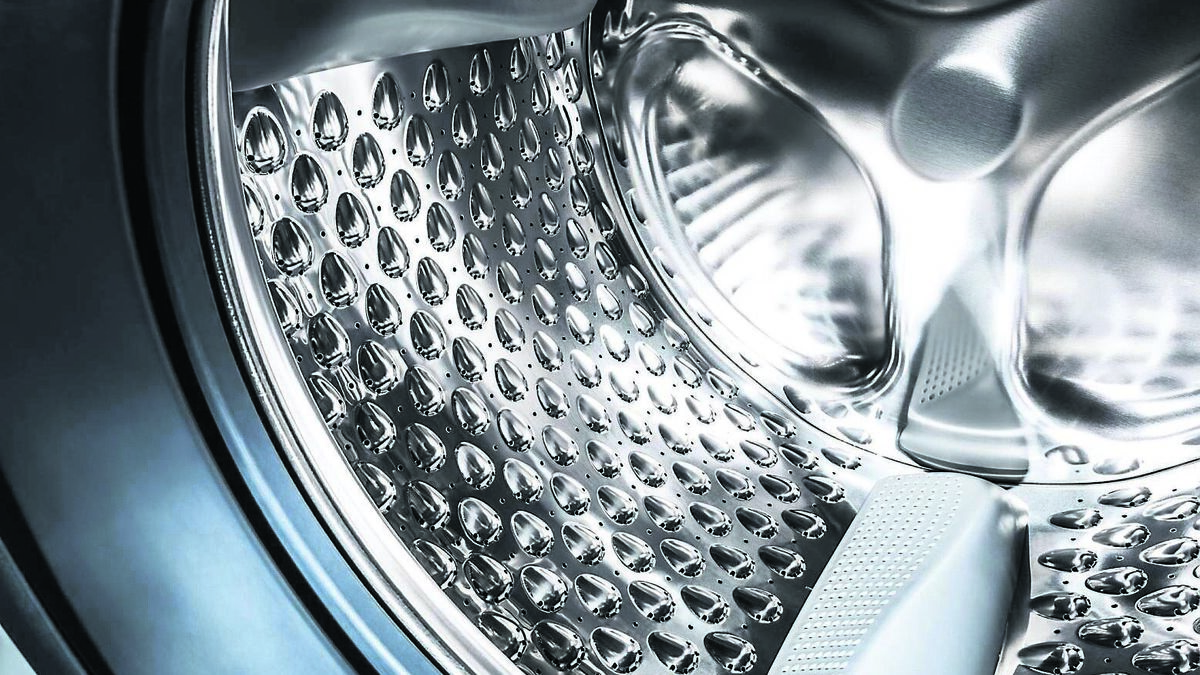
Do you know how to maintain your washing machine and get the best out of it? Eimear shares some tips.
WE are six years in our home now and, as we all know, with home ownership comes the headache of cleaning, maintaining and fixing appliances.
We are lucky in that only one of our large appliances has had to be replaced, our integrated fridge, but over time we have gotten better at how we use and look after our white goods because if we had minded the fridge correctly, it would have lasted longer – lesson learned.
One thing I have learned to do over the years is to read the manual that comes with the appliance. When we go to buy appliances, we spend time considering them in terms of our budget, the fit for the family and efficiency, but then all too often we plug in the appliance and use it as it suits our lifestyle rather than use it to the best of its ability. And then we are the very generation that will give out when an appliance breaks down, usually just after the warranty runs out!
I don’t have enough space to talk about how to look after each appliance in the house, so I will just touch on a few here. If you are interested in maintaining and learning more about how to use your appliances more effectively and more efficiently, I would highly recommend tuning into Cork woman, Laura De Barra. Her book, , deals with every appliance around the home in great detail and it is a fantastic resource to have to hand.
Over the last three weeks, we have had three different sets of service men in to fix our tumble dryer and here is what I learned in the process. Firstly, we don’t clean it enough! I am quite good to clean out the various bits of fluff but any build-up of fluff means the dryer has to work harder to draw in air and that all adds to the energy requirement needed to dry clothes.
However, the last ten minutes or so for most drying cycles involves cooling the tumble dryer – this part of the cycle has two function: the first is that it means your clothes don’t settle at the bottom of the drum in a pile when they are hot and crease more than they would if they were left in the drum when cool. It also works to cool down the heating element in the tumble dryer, which is very important to ensure the element lasts as long as it possibly can.
I was advised that if the clothes are dry, move the timer switch to the cool down setting (on ours it is a symbol of a fan) and let the cycle run until it’s done.
Consider the temperature of the room you have the tumble dryer in and the air flow through that room - we were thinking of moving the tumble dryer out of the utility room and into the garage but were told not to do that because the room temperature in the garage is cold.
While we were in the utility room chatting about the dryer, we got talking about the washing machine – ours is a powerhouse and has never once broken down. However, we do sometimes comment on how the clothes could be cleaner when they come out of the machine and here’s what I learned.
We usually do short cycles, thinking we are being clever cutting down on time the washing machine is running, thus saving time and energy. But the service man told me that those shorter cycles don’t often allow enough time for a detergent to fully dissolve and be washed out, leading to patches of itchy skin where the detergent hasn’t fully washed out of clothing and then rests against the skin, something that was happening in our house.
The longer cycles involve more spins so for heavily soiled clothing, you need this to wash out the stains more effectively too.
So, pick the cycle for the clothes that need washing, don’t default to the same cycle for every load (like we did!) – if you have young kids who tend to stain clothes more than older children, choose the longer cycle. For lightly stained, synthetic fibres, a shorter cycle is OK, but don’t put in as much detergent and don’t overload the drum with clothes.
I would recommend doing a quick google to fully understand how to wash your clothes properly in the machine that you have – it’s better for your clothes, your machine and the environment to find the right balance in terms of temperature, water usage and detergent for each wash. And don’t forget to clean your washing machine regularly!







 App?


