Understanding different kinds of exercise
The types of exercise you engage with can vary in terms of what they target in the body, and the health improvements they bestow, says Dr Michelle O'Driscoll
Understanding different kinds of exercise

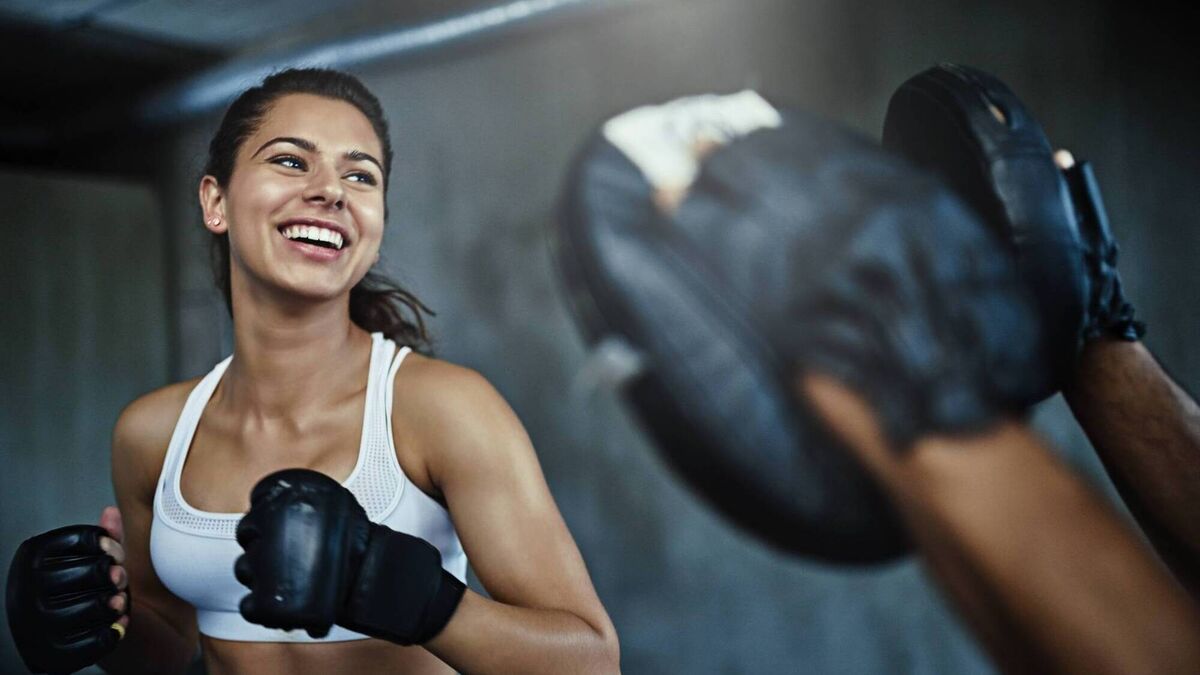
Boxing is a high impact cardio workout. Picture: Stock

WE know that exercise has so many benefits, physically and mentally. But did you know that there are several different types of exercise in terms of their benefits and function?

The types of exercise you engage with can vary in terms of what they target in the body, and the health improvements they bestow. Rather than using the term “exercise” in such a blanket way, lets explore the types and benefits of each of the following four categories: aerobic, strength, stretch and balance.

Aerobic exercise

“Aerobic” means to involve or require oxygen, and aerobic exercises are types of workouts that get the breathing rate to increase, and the heart to pump oxygen around the body faster. This oxygen is used to fuel the energy being burnt in the muscles.

The extra speed of the heart and lungs is a workout for those organs themselves, but of course many other parts of the body are being exercised too.

Aerobic exercise helps you to endure physically challenging situations in daily life much better, as it builds your stamina. The traditional or typical types of aerobic exercise are walking, jogging, swimming, dancing – anything that gets you out of breath and pumps blood around the body. The recommendation is for 150 minutes of this type of activity in the week at a moderate intensity, so spreading that out to approximately 30 minutes on five days per week is feasible.

Strength training

This type of exercise targets the muscles, and ideally reduces the amount of muscle mass that we lose due to age. These exercises increase your ability to comfortably perform daily tasks such as carrying in the washing, standing up from a chair or gardening.

A woman doing weights in a gym. Picture: Stock

As well as strengthening muscles, benefits such as weight loss, improved posture and reduced back or joint pain can become evident if conducted correctly, with the appropriate guidance.

Feeling tiredness in your muscles after these exercises is a good sign that they’re being trained effectively.

The gym is a typical place to incorporate targeted strength training through the use of weights or resistance bands, but activities like squats, lunges, or pushups all increase the work that muscles are doing by using the body’s own weight to create that resistance. And these can be done from the comfort of your own home, no equipment required.

Exercise to improve our flexibility such as pilates  will help to counteract that waning process and reduce the risk of getting injured.

Stretching

While we usually value the need to strengthen our muscles, we can overlook the need to keep our bodies flexible too. Flexibility wanes as we age, and muscles can shorten as a result, reducing their effectiveness.

Exercise to improve our flexibility such as pilates or a less structured stretch plan several times a week will help to counteract that waning process and reduce the risk of getting injured. This is because the muscles are longer and more adaptable to change.

Stretching to the point of pain however is not helpful – it’s about finding the balance between over and under doing it, while always warming up the muscles first, to get the blood flowing through them.

Balance

This is something that we can work on through exercise to reduce our risk of falls, and consequentially our risk of injury. Being steady on your feet is the safest way to be, and exercise can help with this.

A young woman doing a plank. Picture: Stock

Balance is contributed to by our inner ear, our sight and our muscles. As we age, again these things start to reduce in efficacy and it’s important to work to counteract that. A physical therapist can advise on suitable balance exercises for your ability, and activities such as yoga or tai chi can further help with building balance.

It can be helpful to consider the above types of exercises and their benefits when planning your own exercise plan or fitness goals. 

Some activities cover more than one category. Are you supporting your body in the best way possible in terms of the physical challenges it’s currently facing or is likely to face in the future? Ultimately, finding exercises that you enjoy is the first, most important step; you can build the rest from there.

ABOUT THE AUTHOR

Dr Michelle O’Driscoll is a pharmacist, researcher and founder of InTuition, a health and wellness education company.

Her research lies in the area of mental health education, and through InTuition she delivers health promotion workshops to corporate and academic organisations nationally.


Read More

What you need to know about sleep apnoea

More in this section

Pictures: Women descend on Cork's City Hall for special event to mark IWD  Pictures: Women descend on Cork's City Hall for special event to mark IWD 
Woman Doctor Or GP In Office Meeting Teenage Female Patient For Appointment Dr Catherine Conlon: Health issues every woman should know about
Julie Helen: 'I feel relieved that I have made it to 41, beyond all the warning milestones' Julie Helen: 'I feel relieved that I have made it to 41, beyond all the warning milestones'

Sponsored Content

The power of the G licence The power of the G licence
Happy couple receiving new house keys from real estate agent Time to get to grips with changes in rental laws
Boatbuilder turned engineer proves alternative paths can lead to success Boatbuilder turned engineer proves alternative paths can lead to success
Contact Us Cookie Policy Privacy Policy Terms and Conditions

© Examiner Echo Group Limited

Add Echolive.ie to your home screen - easy access to Cork news, views, sport and more