One in five people with disabilities not participating in Re-turn scheme due to accessibility issues
Darragh Mc Donagh
One in five people with disabilities is not participating in the Government’s Deposit Return Scheme (DRS) due to accessibility issues, according to an independent report commissioned by Re-turn.
The company engaged access consultants after receiving feedback during the first months of the scheme, describing barriers that made it challenging for people with disabilities, the report states.
Re-turn announced in May 2024 that it was setting up a consultation process with disability organisations in response to the feedback.
Some 20 months later, it has now concluded the second of three phases in that process.
An interim report compiled by O’Herlihy Access Consultancy for Re-turn reveals that respondents described a range of accessibility and inclusion barriers in the recycling scheme.
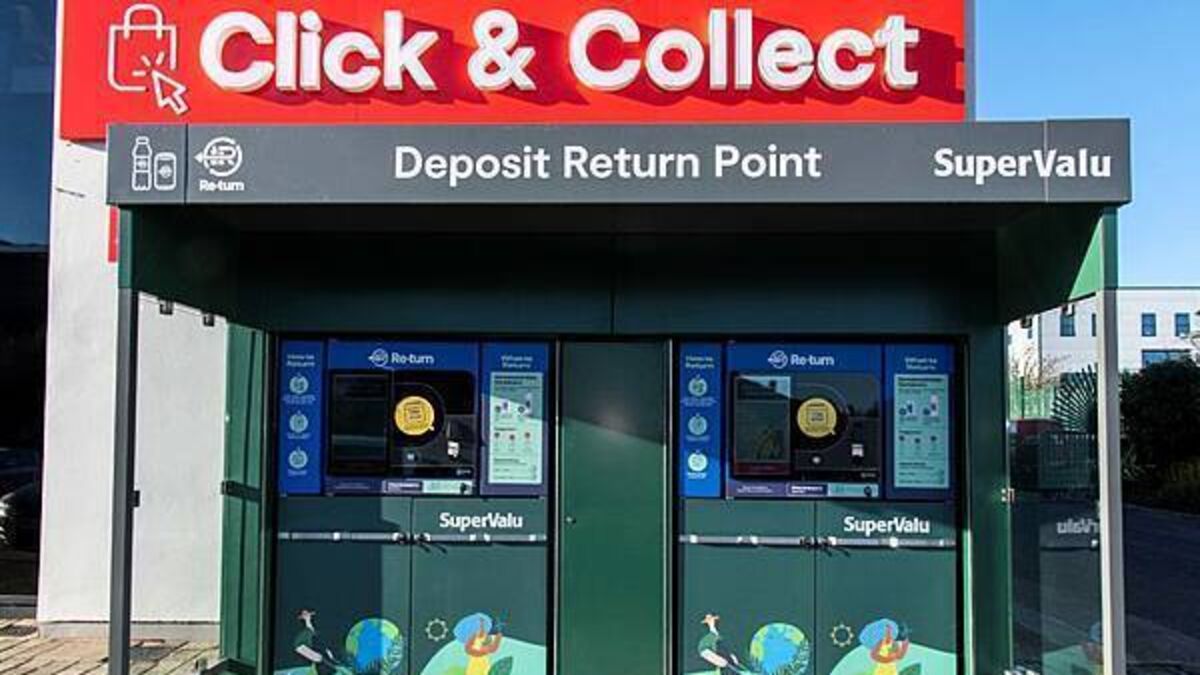
These included difficulties reaching the opening in reverse vending machines (RVMs), issues with the user interface, health and safety risks, inaccessible instructions, and difficulties finding RVMs in working order.
They also identified a health and safety risk for individuals with allergies because “strong smells” emanating from RVMs tended to attract wasps and bees, according to the report.
The DRS is currently the subject of at least two discrimination complaints to the Workplace Relations Commission (WRC) by people with disabilities. Re-turn has argued that it is not a service provider within the meaning of the Equal Status Acts.
O’Herlihy Access Consultancy was engaged by the company “to help them better understand the challenges within the scheme” through an independent consultation process, the report says.
The first phase of this process identified a range of barriers for further exploration, as well as carrying out an assessment of RVM design.
The second phase involved a consultation process with disabled people to understand their “lived experience” of the scheme. It included a survey of 249 individuals, as well as a series of focus groups and interviews.
“The main observations from those consulted in the review demonstrate that the DRS for many people who have disabilities is not fully accessible or inclusive,” the report states.
Respondents criticised poor planning for accessibility, limited early engagement with key stakeholders, inadequate accessible information, a flawed complaints process, and insufficient consultation with disabled people prior to the launch.
They said it was difficult to find an RVM that caters for their needs, and many reported being physically unable to participate in the scheme. Others mentioned cost barriers, limited access to transport, and repeated errors by RVMs.
While recommendations were outside the scope of the second phase of the process, some respondents suggested providing a home collection service, digital solutions, and the improvement of accessibility to existing RVMs.
The third phase of the process will involve developing solutions to overcome some of the barriers to access, according to the report.
These may include issuing guidelines to retailers, improving the workability of RVMs, and improvements in communication.