Young ‘cautious’ over potential reintroduction of wolves and lynx in the wild
By Rebecca Black, Press Association
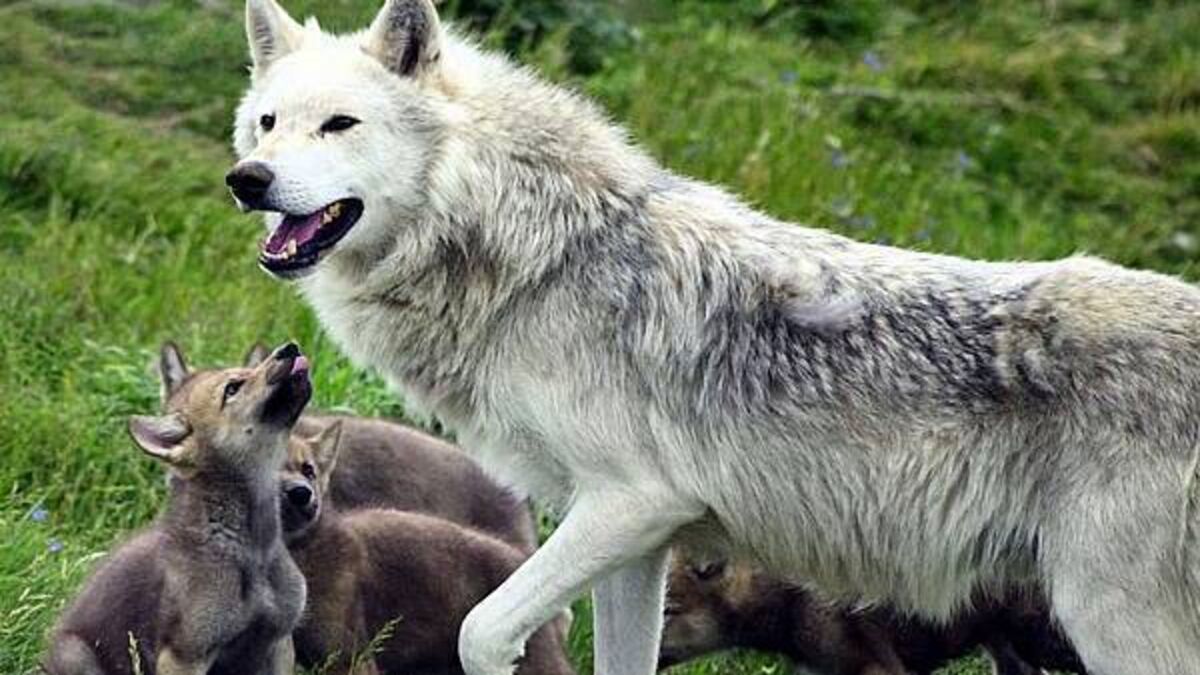
Young people are “cautious” about the feasibility of reintroducing large carnivores, specifically lynx and wolves, to Ireland and the UK, research has found.
The study, described as the first-ever probe into young people’s attitudes to the reintroduction of such large predators, found only a minority are in favour.
Thousands of young people took part in the research run by the ARK social-policy hub at Queen’s and Ulster universities in Northern Ireland.
The Young Life and Times survey interviewed more than 2,000 16-year-olds, while the Kids’ Life and Times survey polled more than 4,000 children aged 10 and 11, all from Northern Ireland.
It found that generally, young people’s support for the reintroduction of large carnivores is lower than that of adults in previous surveys carried out in Great Britain.
Those surveys recorded adult support as variously between 36 per cent and 72 per cent.
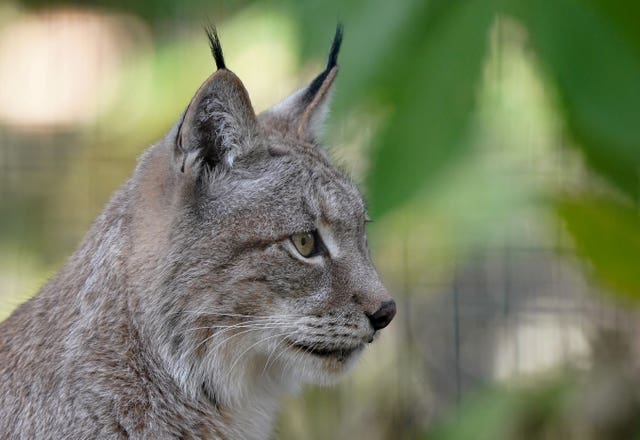
In the ARK survey, just under one third (32 per cent) of 10/11-year-olds and just over one third (35 per cent) of 16-year-olds said they agree or strongly agree with the idea of lynx reintroductions to parts of the UK and Ireland.
That figure was lower for wolf reintroductions – 30 per cent of 10/11-year-olds and 31 per cent of 16-year-olds.
The strongest single result, however, was to neither agree nor disagree with proposed reintroductions across both species and age groups.
Girls and young people living in rural areas are significantly less supportive of the reintroduction of any large carnivores, while the “don’t know” responses are higher for lynx than wolves, perhaps reflecting more familiarity with the latter species.
There are more negative associations with wolves across the board, which may be due to a higher perception of risk to human and livestock populations than with lynx.
The survey comes in the wake of calls and proposals to reintroduce large predators to parts of the UK and Ireland centuries after they disappeared.
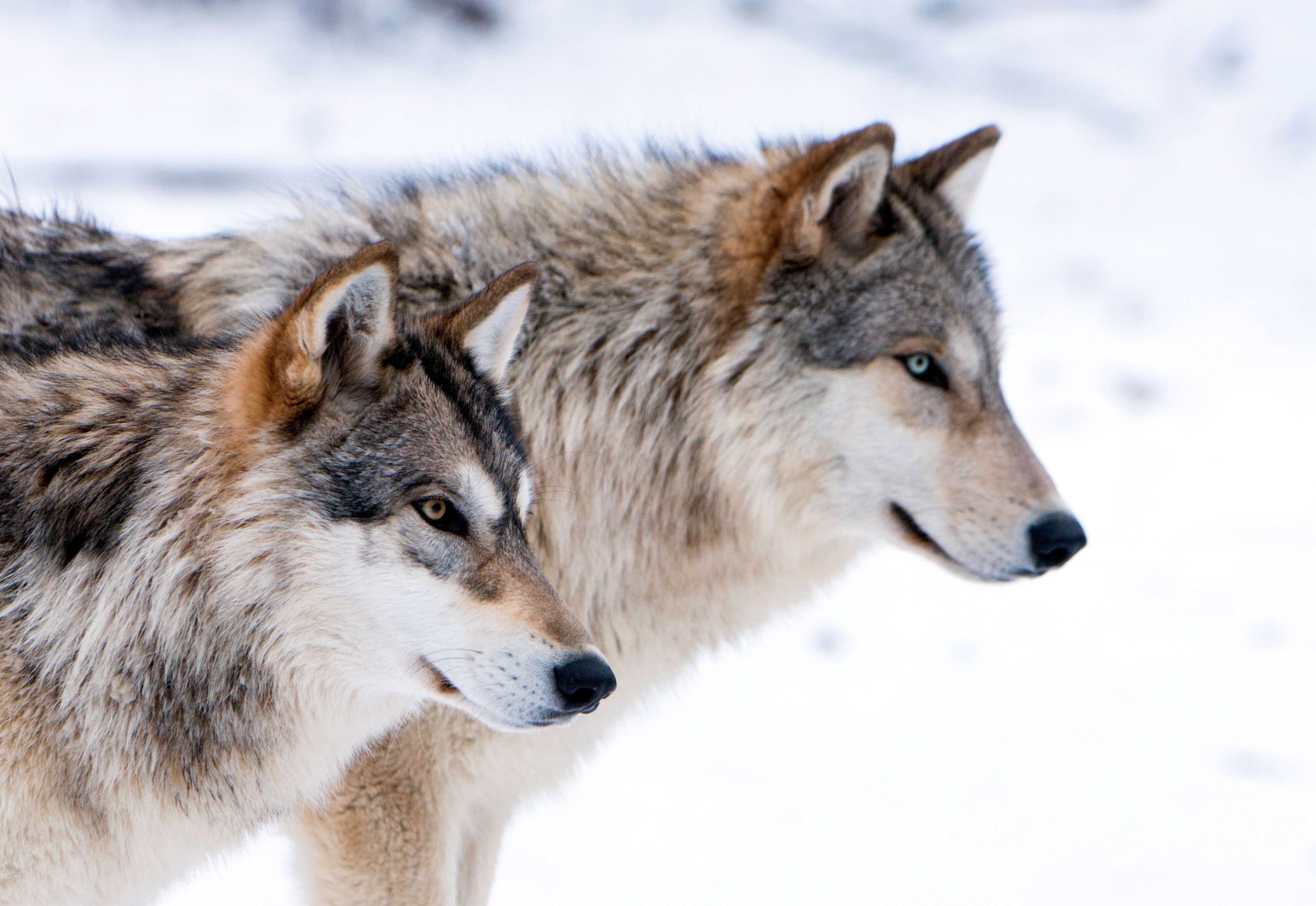
These calls spark debate, with livestock farmers tending to raise concern in relation to predators at the top of the food chain like lynx and wolves.
The issue hit the headlines again earlier this year after the illegal release of four Eurasian lynx into the Scottish Highlands.
Lead researcher Dr Jonny Hanson, from the School of Social Sciences, Education and Social Work at Queen’s University, said the views of children and teenagers are an important consideration.
“The potential reintroductions of lynx and wolves to the UK and Ireland are very socially complex and highly contested,” he said.
“This new data from young people helps us to understand the diverse perspectives of children and teenagers on this issue and gives us a better picture of their nuanced and valid views.
“Robust and independent social-science research like this should not just be bolted on to current and future large-carnivore reintroduction proposals, but built into them.
“The feasibility and viability of potential lynx and wolf reintroductions in the UK and Ireland will hinge on understanding and addressing their complex human dimensions with young people and adults alike.”