Evidence of tooth decay-causing bacteria found in 4,000-year-old human molars
By Nilima Marshall, PA Science Reporter
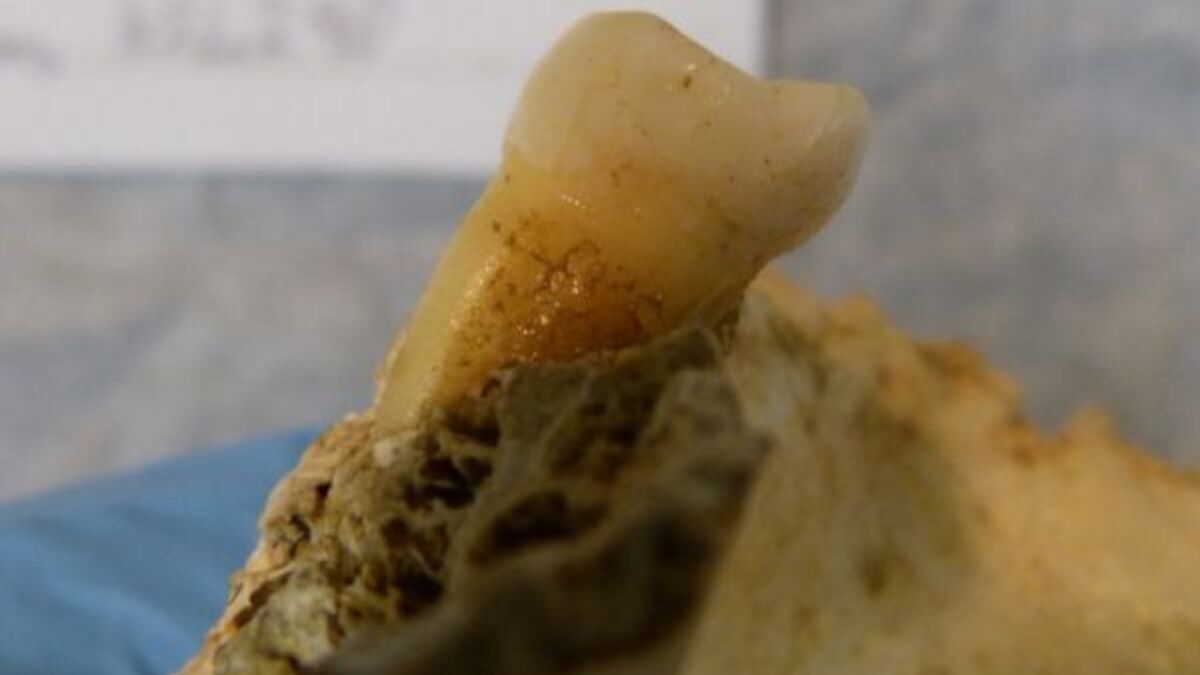
Scientists have found evidence of bacteria that cause tooth decay and gum disease in 4,000-year-old human molars.
Trapped within the dental remains that were unearthed from a limestone cave in Co Limerick, the researchers found an “unprecedented quantity” of the DNA of streptococcus mutans, a type of bacteria in the human mouth responsible for cavities.
The teeth are believed to have belonged to a man from the Bronze Age period.
The team said it had also found other types of microbes associated with gum disease, including Tannerella forsythia.
Based on their analysis, the scientists were able to reconstruct the genomes, the complete set of genetic material, of the ancient bacteria.
The researchers said their work, published in the journal Molecular Biology and Evolution, helps shed insight into how the human diet evolved across centuries, particularly in relation to sugar consumption.
They also said it is “exceptionally rare” to find S. mutans in ancient tooth samples as this bacteria produces acids that cause tooth decay but also degrades DNA.
The researchers said the conditions of the cave at Killuragh, which is cool, dry, and alkaline, may have helped in the “exceptional preservation” of the S. mutans DNA.
Lara Cassidy, an assistant professor at Trinity College Dublin, said: “We were very surprised to see such a large abundance of mutans in this 4,000-year-old tooth.

“It is a remarkably rare find and suggests this man was at high risk of developing cavities right before his death.”
However, the researchers believe that the “high abundance” of S. mutans DNA in the root of one teeth could also potentially indicate an imbalance or disruption in the microbial community in the mouth.
They said that based on their DNA analysis, both bacteria have changed dramatically from the Bronze Age to today, but added that humanity’s love of sugar in the recent years may have had an “inordinate impact” on their evolution.
S. mutans is able to metabolise sugars from the foods trapped in the teeth to produce acids, allowing this bacteria to “thrive”, giving it an advantage over other similar types of bacteria, the researchers added.
Prof Cassidy said: “S. mutans is very adept at swapping genetic material across strains.
“This allows an advantageous innovation to be spread across mutans lineages, rather than one lineage becoming dominant and replacing all others.”
The team said that archaeologists have observed an uptick in dental cavities in skeletal remains when humans began to adopt cereal agriculture, but tooth decay become much more common in the Early Modern period, beginning about 1500 AD.