Film Review: Wuthering Heights is pulsating, savage, wildly sexy, and full of torment
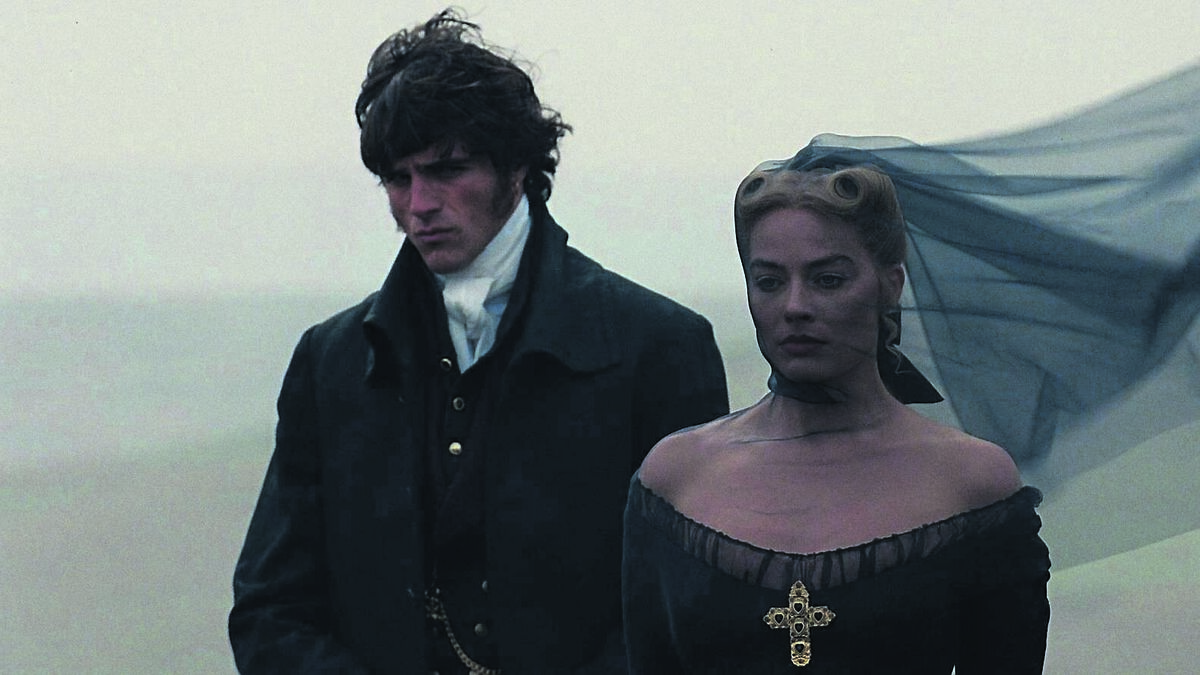
The bond between Cathy and Heathcliff is all-consuming and passionate, yet also destructive and tempestuous. The world they inhabit simmers with cruelty, violence, and emotional upheaval, rendering their relationship both mesmerising and deeply unsettling.
Emily Brontë’s novel stands in stark contrast to the refined, genteel romances of her time. Brontë was a risk-taker: bold, imaginative, and a woman ahead of her era. Her fearless exploration of the darker facets of love and the human psyche set her apart from her contemporaries, resulting in a narrative that is both timeless and haunting.
When Emerald Fennell announced her plans to adapt the story for the screen with Margot Robbie as Cathy and Jacob Elordi as Heathcliff, feathers were ruffled. Fennell is known for pushing boundaries, embracing the darker side, and subverting conventions. While the internet rumbled with complaints, I was intrigued; based on her previous work, particularly , it was clear Fennell would fully embrace Brontë’s darker themes.
Other criticisms emerged - Margot Robbie’s age, Jacob Elordi’s ethnicity, the eclectic blend of modern and period costume, Charli XCX’s pop soundtrack, and, of course, the apparent raciness. That last point amuses me. Brontë’s writing is brimming with sensuality, though she was restrained by the social mores of her time.
I have no doubt that if she were alive today and rewriting the story, bodices would rip faster than in an episode of . Ironically, many of those complaining are the same people who eagerly binge every racy episode of that series.
Fennell’s unique vision promised to delve into the complexities of obsession, revenge, and the wildness at the heart of Brontë’s tale, offering a fresh and provocative perspective on this classic. Has she succeeded?
The film opens with Charlotte Mellington as young Cathy. She lives in the dark, windswept surroundings of with her widowed father, the alcoholic Mr Earnshaw (Martin Clunes), a handful of servants, and Nelly Dean (Vy Nguyen), her loyal companion.
Mr Earnshaw is violent and erratic. He brings home a young homeless boy, Heathcliff, played by the brilliant actor Owen Cooper. Heathcliff becomes both his target for abuse and Cathy’s closest friend.
Throughout their childhood, the children run free on the moors and form a bond so strong that nothing seems capable of breaking it.
When they are older, now played by Elordi and Robbie, they still roam wild on the moors and remain central in each other’s lives, but something has changed. Gone are their childish ways. These are two people wildly, passionately in love - though, of course, neither can fully admit it.
When the wealthy Linton family takes up residence in a house across the moors, Cathy waits to be invited. Although she is a respected member of society, her father has squandered most of their money and status. Cathy assertively argues that the Lintons owe her at least an invitation to dinner out of respect to her family name.
When the invitation doesn’t arrive, Cathy invites herself, only to take a fall on their grounds. Edgar Linton (Shazad Latif) brings her into his home and soon falls madly in love with her, while his ward, Isabella Linton (played by Cork’s own Alison Oliver in top form), becomes instantly besotted with Cathy, hoping she will be her new best friend.
While Cathy recuperates, she is treated to fine new clothes and quickly grows fond of the Lintons’ lavish lifestyle. Meanwhile, Heathcliff prowls the grounds back home, desperate for Cathy’s return.
When she finally returns, it is with the prospect of marriage. On paper, it is a good match, promising guaranteed wealth and comfort, but her heart belongs to Heathcliff.
Her decision sets off a chain of events so filled with passion, desperation, and heartache that only a stone could watch the film and remain unmoved.
I am a diehard fan of the book, but disagree wildly with those whose feathers are ruffled by the film. There are over 20 adaptations of the story; each has changed something in the journey from page to screen, but Fennell is the first to really lean into the twisted love Cathy and Heathcliff shared.
The screen sizzles every time Robbie and Elordi stand within a foot of each other. Their love, their anger, is alive in their every move.
The film is pulsating, slightly savage, wildly sexy, and full of torment - the torment that Brontë so perfectly wrote about. Fennell is the first to truly capture this. Some will complain. I say all hail this bold and delicious adaptation.