'He was a maverick, a true original': Triskel season salutes German film-maker
A director who died tragically young, Rainer Werner Fassbinder left his mark on the world of cinema, says CARA O’DOHERTY, ahead of a season of his work being screened in Cork city
'He was a maverick, a true original': Triskel season salutes German film-maker

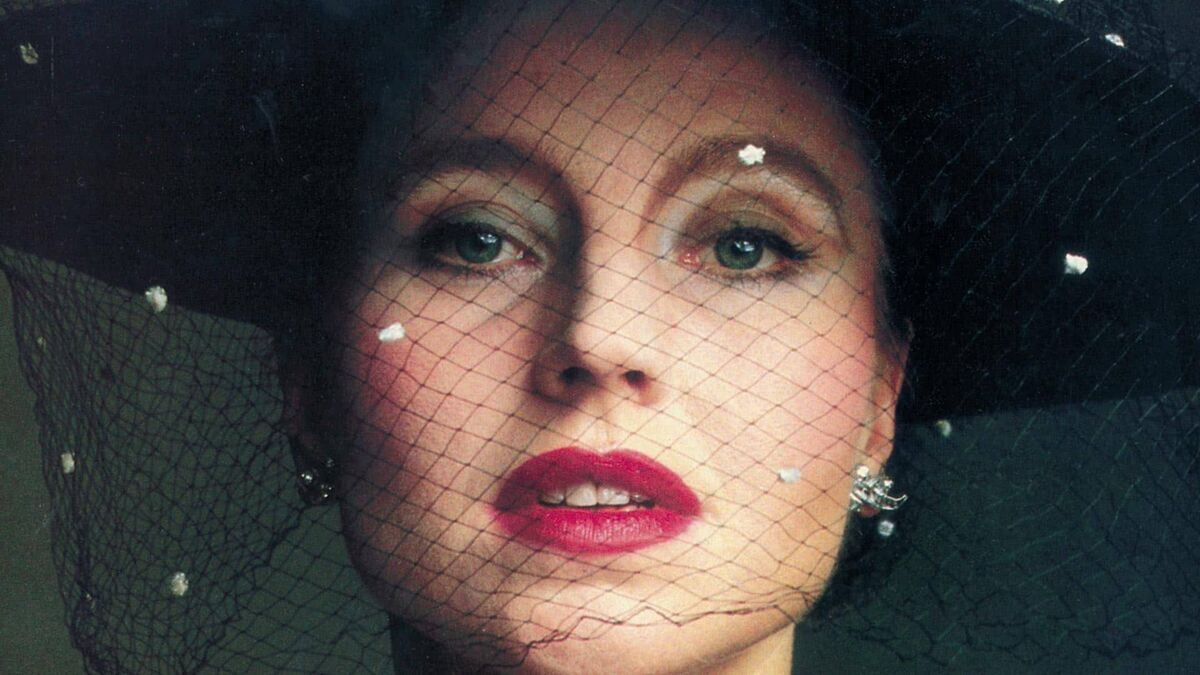
A scene from The Marriage Of Maria Braun, a film by Rainer Werner Fassbinder

The works of Rainer Werner Fassbinder, a prolific German film-maker, will feature in a Triskel season in Cork city from February 22-25.
He was a leading figure in the New German Cinema movement, an influential period running from the late 1960s to the early 1980s, which saw directors from that country break cinematic conventions and produce some of Europe’s most applauded films.

Fassbinder, recognised for his remarkable productivity and unique visual style, stands as one of its most iconic figures.

Chris O’Neill, Head of Cinema at Triskel, says that Fassbinder was a maverick of cinema.

“Rainer Werner Fassbinder was a cinematic dynamo, directing over 40 feature films and a 13-hour television series before he tragically died at the age of 37,” said O’Neill.

“He was a maverick, a true original.”

O’Neill adds that other directors who were part of this movement included Werner Herzog, Margarethe von Trotta, Wim Wenders, and Helma Sanders-Brahms, all of whom developed a unique approach to storytelling and cinematic expression.

Together, these filmmakers redefined German cinema, embracing bold themes, innovative visual techniques, and a willingness to confront societal issues directly.

There are four films in the Triskel line-up beginning with one of Fassbinder’s earliest masterpieces,

The Bitter Tears Of Petra Von Kant, released in 1972, was adapted from a play he staged in 1971. The film centres on Petra von Kant (Margit Carstensen), a celebrated fashion designer with a tumultuous romantic history, who becomes infatuated with Karin Thimm (Hanna Schygulla), an ambitious young model.

Their relationship, set almost entirely in Petra’s apartment, explores themes of power, obsession, and vulnerability as Petra’s emotional world unravels in the face of Karin’s allure.

The film’s claustrophobic setting and the silent presence of Petra’s long-suffering assistant Marlene, played by Irm Hermann, intensify its examination of domination and submission, labour, and emotional exploitation.

A landmark work of the New German Cinema movement, the film exemplifies Fassbinder’s interest in theatrical minimalism, melodrama, and the cruelty embedded in intimate relationships.

Made with his close-knit repertory of collaborators, it was screened at the 1972 Cannes Film Festival, where it won a major award, solidifying Fassbinder’s international reputation and the film’s enduring critical status.

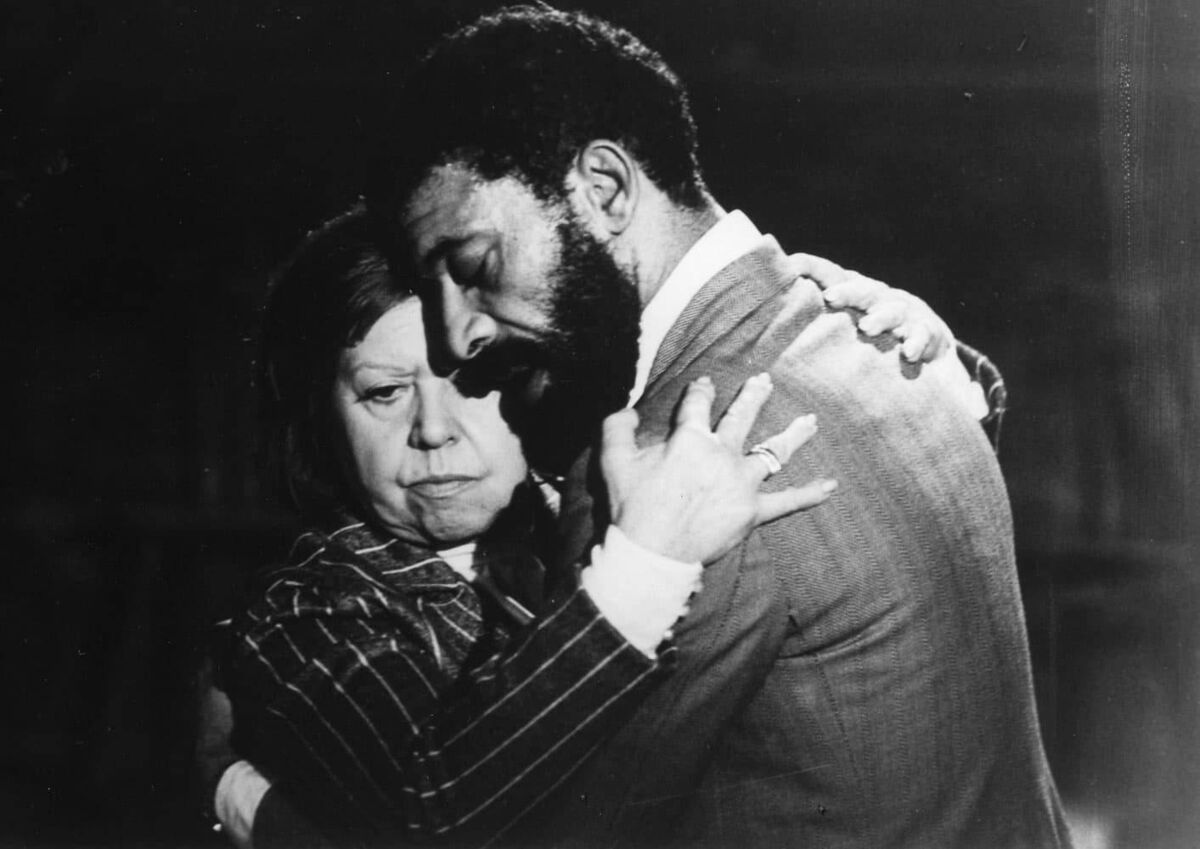
Ali: Fear Eats The Soul, released in 1974 is widely regarded as one of Fassbinder’s most emotionally direct films. Inspired by Douglas Sirk’s Hollywood melodramas, the film stars Brigitte Mira as Emmi, an elderly German cleaning woman, who enters a tender but socially fraught marriage with Ali (El Hedi ben Salem), a younger Moroccan immigrant worker.

A scene from Ali: Fear Eats The Soul, a film by Rainer Werner Fassbinder

Set against post-war West Germany, their relationship exposes everyday racism, xenophobia, and the issues that arise from going against social conformity.

Fassbinder’s precise framing, deliberate pacing, and expressive use of colour, transforms a simple love story into a devastating social critique.

The director also appears as Emmi’s racist son-in-law, demonstrating his willingness to confront uncomfortable truths on screen.

Fox And His Friends from 1975 is a stark examination of class, desire, and exploitation in modern Germany. Fassbinder plays Franz ‘Fox’ Biberkopf, a working-class circus worker whose lottery win gives him access to Munich’s bourgeois gay scene.

He enters a relationship with Eugen (Peter Chatel), whose affection is bound to financial gain. As Fox seeks love and acceptance, he is manipulated, exploited, and ultimately abandoned.

Fassbinder’s restrained visual style, marked by deliberate framing and emotional distance, underscores the cruelty of these transactions while refusing sentimentality.

Blending melodrama with social realism, the film exposes how capitalist power structures shape intimacy and reproduce inequality, even within marginalised communities.

Widely regarded as one of Fassbinder’s bleakest films, it remains a devastating critique of love conditioned by money and class.

Fox And His Friends has become a reference point in queer cinema for its honesty and refusal to offer easy resolutions. Its unrelenting gaze on social and personal failure challenges viewers to reflect on the cost of self-delusion and the role of societal structures in shaping our fates.

The Marriage Of Maria Braun, released in 1979, is another cornerstone of Fassbinder’s career and the New German Cinema. Set after World War II, it stars Hanna Schygulla as Maria Braun, a resourceful woman who marries a soldier just before he is sent to the front.

As West Germany rebuilds, Maria survives through strategic romantic and economic alliances, equating emotional commitment with material security.

Fassbinder uses Maria’s ascent as an allegory for post-war German identity, exposing the moral compromises behind economic recovery.

Melodrama and political critique combine as the film explores the costs of ambition and repression. Schygulla’s Silver Bear win at Berlin cemented its international acclaim and Fassbinder’s legacy.

Passionate and driven to the point of obsession, Fassbinder worked relentlessly day and night, often fuelled by drugs to sustain his frenetic pace.

His untimely death at just 37 shocked the film world, though those who knew him were not entirely surprised that he had pushed his body to the brink.

He once said, “When this yearning is driven out of me, I won’t make anything anymore.”

Tragically, he never lived long enough to tire of film-making, leaving behind a staggering legacy that continues to inspire new generations of filmmakers and cinephiles worldwide.

O’Neill says that Fassbinder’s work stands out as some of the finest films of German cinema in the 20th century. “We at Triskel Arts Centre are delighted to be offering a small sample of what he achieved.,” he said.

Read More

Cork producer: 'I think people go into a film thinking about the sound and the voices..this is completely different'
Cork actor: 'I knew if the film was even half as good as the pitch, it would be terrific'
Films to add to your watch list in 2026

More in this section

Film Review: Wuthering Heights is pulsating, savage, wildly sexy, and full of torment Film Review: Wuthering Heights is pulsating, savage, wildly sexy, and full of torment
Theatre nights: Search for Cork's greatest orator, comedy, and plenty of  drama Theatre nights: Search for Cork's greatest orator, comedy, and plenty of  drama
Going out? Your guide to what's happening in Cork this weekend Going out? Your guide to what's happening in Cork this weekend

Sponsored Content

Charity places available for Cork City Marathon Charity places available for Cork City Marathon
Turning risk into reward: Top business risks in 2026 Turning risk into reward: Top business risks in 2026
Top tips to protect Ireland's plant health Top tips to protect Ireland's plant health
Contact Us Cookie Policy Privacy Policy Terms and Conditions

© Examiner Echo Group Limited

Add Echolive.ie to your home screen - easy access to Cork news, views, sport and more