Stevie G: The new age of AI still needs the human touch
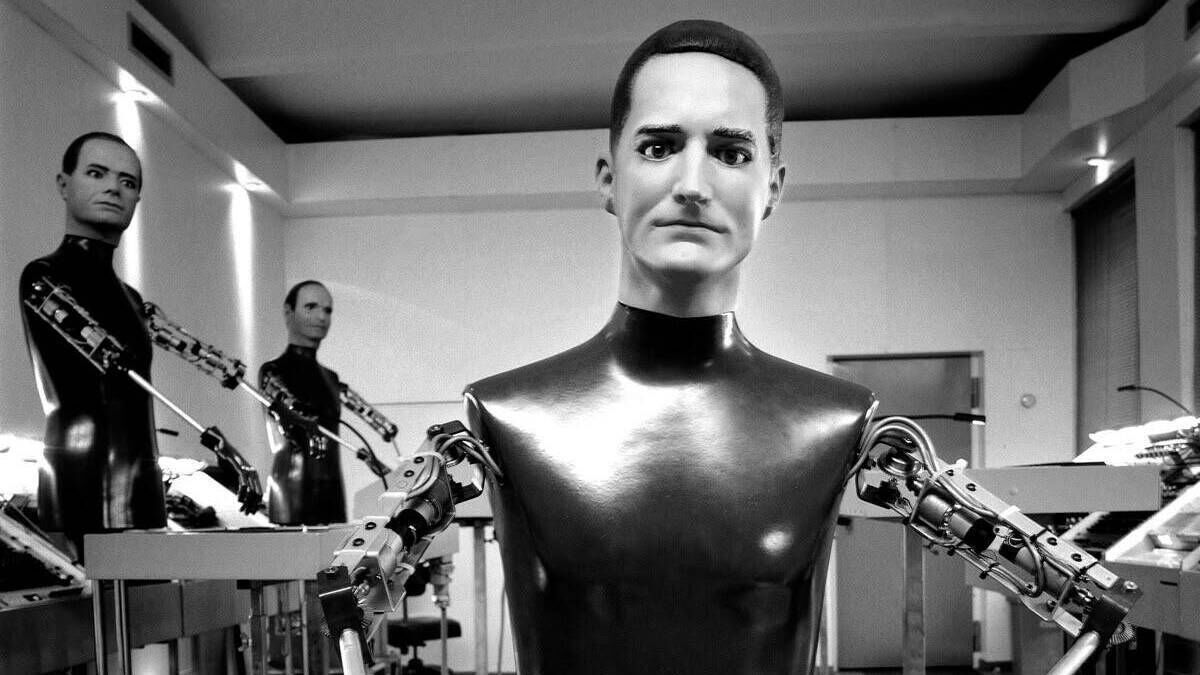
In the 70s and 80s, Kraftwerk talked about the fantasy of a then burgeoning Computer World that we are now living in.
One of the magazine covers, a “homage” to the famous 1932 photograph of construction workers on a steel beam above the RCA building in New York City, features the aforementioned tech Gods sitting on the beam. The AI-generated photo of these billionaires could be said to represent the antithesis of the ordinary workers from back in the day, but I guess that’s the world we live in in 2025.
How did music fare in this new AI world this year?
Well, Timbaland, one of the most innovative and influential producers of all time, is now pushing an AI-created artist, TaTa, into the mainstream. In a move widely rejected as being uninspiring, it was one of the most high-profile AI moves this year. But like it or not, AI is here to stay. Timbaland, who made his name as a futurist, crafting timeless classics for Aaliyah and others that still sound fresh, is, at the very least, moving with the times. But the human element is certainly lacking, and the ethics are still controversial too.
The man v machine argument will continue to flourish in 2026, and maybe the reaction against AI will bring more great music to the fore. There are many who now see this as a positive, and music that is quite obviously not AI will be seen as more authentic or valued to some. This follows on from my recent thoughts on streaming v actual physical product, and there is no doubt even younger music fans are searching for a more real connection to music in the digital age.
Regarding arguments of authenticity, we have seen this previously in reactions to the heavily synthesised 80s pop, metal and rock, which, in some ways, might have birthed grunge or other raw grassroots movements.
Over-familiar loops and sampling in R&B & New Jack Swing led to a more organic neo soul music that heralded the arrival of D’Angelo, Erykah Badu and others, and there are many more examples of artists and movements reacting against the machine and the computer over the years.
D’Angelo, who alongside former partner and collaborator Angie Stone was among the greats to sadly pass in 2025, was also very influenced by his peer Jay Dee, aka Dilla, whose innovative use of time signatures in producing hip-hop still remains hugely influential years later. This also came from a human touch, but it was often instigated by both the man and the machine working together to bring this non quantised live feel.
The human mistakes in the studio or at a concert are still to be cherished, and lots of the dialogue surrounding D’Angelo’s passing was based on many of the outtakes and stripped down raw songs he banged together that were not on his proper albums. His music hero Prince was famous for this, and used to like nothing more than a jam with fellow musicians, even after a full two-hour concert elsewhere earlier that evening. Lots of the best music comes from jamming, and having fun, and at live gigs in 2025 we still want to hear an artist singing live and making mistakes and giving us an experience different to the studio.
I saw one of the all time greats, Beyonce, deliver a stunning three-hour show earlier this summer in London, and I couldn’t help but think that she is one of the last real global superstars who will go to such an effort in a world where it’s easier to just coast by. That said, some of the best releases this year were by artists who are very real and very non-AI, such as Rosalia, Bad Bunny and Clipse, so perhaps we should be optimistic!