Sampling in hip hop is still... hip
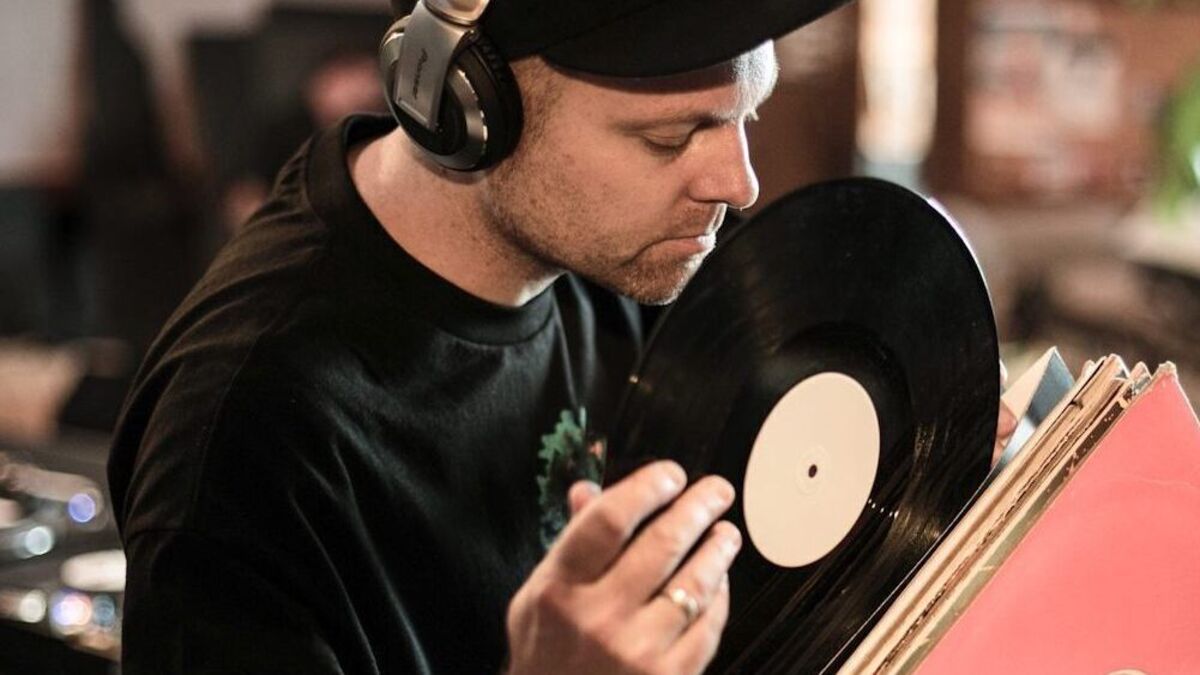
DJ Shadow’s ‘Entroducing’ was composed entirely of samples.
Reworking old music was a thing way before sampling. Cover bands have been around for ever and remain an essential part of the music scene.
In Ireland, the showband scene paved the way for our own music infrastructure of venues, labels, shows and festivals. Showbands were basically cover bands. Jamaica’s music scene, one of the most innovative and respected worldwide, also has origins in groups that used cover music, but Jamaica also became one of the places where sampling developed.
Sampling at its most sophisticated is respected by most music aficionados, though in its early days it drew lots of kickback from all angles.
Having existed in various formats for many years, sampling came to prominence in the 1980s, when technological advances meant that samplers became affordable and widespread. Hip-hop had gone global with ‘Rapper’s Delight’, by Sugarhill Gang, but even then the group’s label had got a house band to replay the sampled groove (‘Good Times’, by Chic). Soon, portions of old soul, funk, rock and pop records were being sampled and hip-hop culture spread rapidly, both in the US and abroad. Many of the drum breaks and beats that were sampled were fairly rare, and DJ culture was at the very heart of hip-hop’s early explosion.
Music from the the likes of James Brown suddenly became fashionable again, and by the late 1980s and early 1990s, the soul and jazz of the 1970s had been revitalised with new interest from new audiences. Many of the soul and jazz elders initially had a pretty hostile opinion of hip-hop, but by the early 1990s Donald Byrd, Roy Ayers, Miles Davis, Ron Carter and others were working with hip-hop producers. By then, the legal landscape had also changed and hip-hop producers had to start digging deeper to disguise their source material. Crucially, many of the elders started getting paid.
Sadly, the legal quagmire held up many releases and took some of the fun out of it. Innovators like De La Soul struggled for a while, but like many, they just started digging even deeper. It led to arguably the genre’s most creative era, and by the mid-1990s producers such as Jay Dee, Q Tip, DJ Premier, Pete Rock and RZA were flipping obscure grooves into something new and fresh and often pretty unidentifiably. DJ Shadow’s ‘Entroducing’ was composed entirely of samples and young hip-hop fans of the era started digging for obscure breaks and samples from multiple genres. Ironically, hip-hop as a commercial force really started exploding during these same years, but it was through the use of very obvious samples, that were barely a decade old.
Sean ‘Puffy’ Combs was the best known exponent of this era, and his Bad Boy empire, initially built on some great producers and artists, soon expanded into something bigger than any of us could have imagined.
The samples were fairly obvious, and soon he was having hits with 1980s pop re-workings and updates from rap’s heyday, too.
The source material was so recent that it felt lazy, and when DJ Khaled does it 25 years on, it feels lazy, too.
It’s natural that someone from my era would expect a DJ or producer to do more than simply use a whole backing track, but that’s the way it’s gone in mainstream music at times.
There’s still loads of creativity there, though, and sampling remains an essential part of hip-hop and dance-music culture. You don’t even need a record collection any more, which means there’s less gatekeeping, but creativity is always gonna be the goal, no matter what the tools.
One thing is for sure, sampling is here to stay!