Cork Views: How we can make most out of school meals
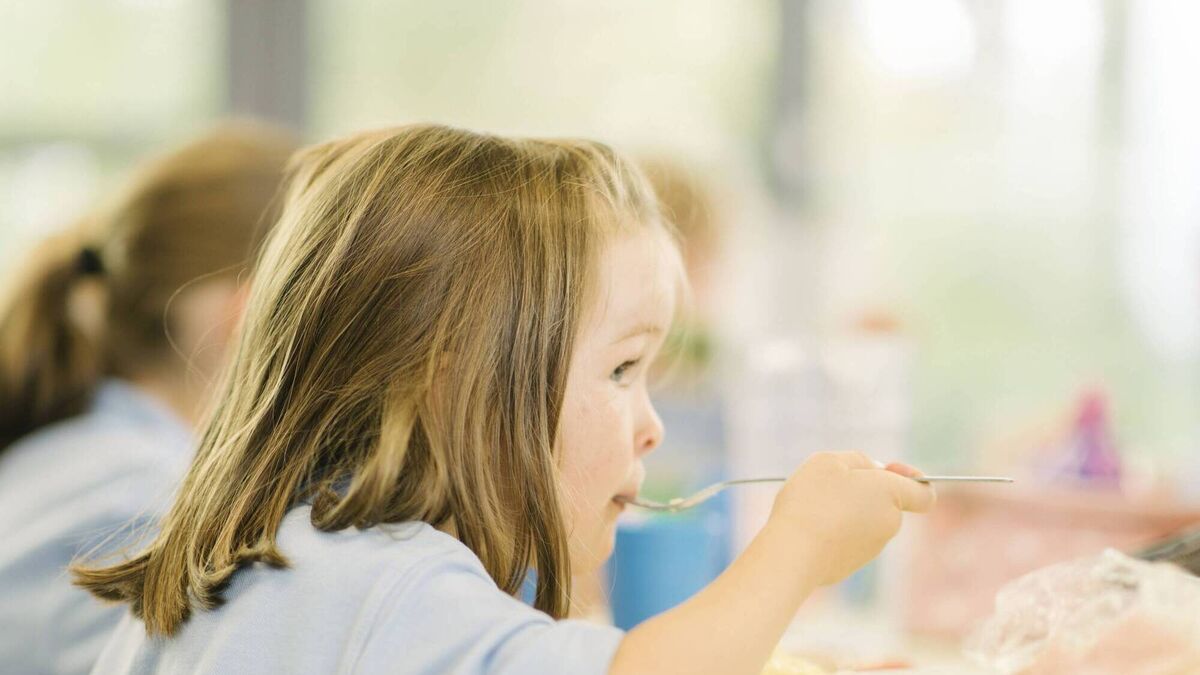
A strong school meals programme can do more than provide nutrition to the young. iStock
Ireland’s School Meals Programme is one of the most important public health measures introduced in recent years.
Giving every child access to a nutritious meal during the school day can improve health, ease pressure on family budgets, and help reduce inequality.
But the programme should aim higher than simply putting food on a plate. We also need to ask where that food comes from, who prepares it, does it nourish and, most importantly, whether children actually eat and enjoy it.
Reports that about one in five hot school meals go uneaten should concern us. The true figure may be even higher. This is more than a catering problem. It is a sign that we need to look carefully at how the programme works in practice.
A school meal only has nutritional value if a child eats it. Good nutrition standards are essential, but standards alone cannot guarantee a successful meal. Food must also look appealing, taste good, and suit the children receiving it. It must be practical for schools and catering staff, safe to prepare and deliver, and designed to avoid unnecessary waste.
Children should have a real voice in that process. They should be asked what they like, what they leave behind, and what would encourage them to try unfamiliar foods. This does not mean letting children write the menu. It means listening to them and treating them as active participants rather than passive recipients.
That matters especially for children who already feel left out or different at school. If the programme is meant to reduce inequality, every meal should be offered in a way that feels welcoming and dignified.
We should listen to the people who prepare the food too. Chefs and catering staff know which meals work, which ingredients are available, and what can realistically be produced for hundreds of pupils. Experience in England and Wales shows the value of involving catering professionals when menus and services are being designed.
How schools buy food also matters. Public procurement should be about more than choosing the cheapest meal that meets a written specification. Done well, it can support local farmers, growers, butchers, caterers and community enterprises. It can also create shorter, stronger supply chains.
The Duhallow school meals model in Cork offers a useful example. Meals can be freshly prepared in the community and connected to local producers. Every school does not need to copy the same model, but the system should make room for local caterers, food hubs, community groups and smaller suppliers when they can provide safe, nutritious and appealing food.
Ruth Hegarty, Michelle Darmody and Norah Campbell have set out a vision for community food infrastructure, including a network of 120 food hubs linking public food contracts with local producers and communities. School meals could help turn that idea into practical benefits for local economies as well as children.
Cork already has a strong foundation for this approach. The Cork Food Policy Council’s work on a Healthy and Sustainable Food Policy for Cork connects health, sustainability, community life, the local economy and access to nourishing food. They are working to make good local food more available to everyone in Cork through community gardens, educational programmes and championing those who are creating new models of food growing. School meals could become one of the clearest ways to put that vision into action.
Schools, however, cannot be expected to manage everything alone. Principals and Boards of Management already carry heavy workloads. Complex contracts, food safety rules, monitoring and procurement can add a major burden.
The Department of Education should consider taking a stronger role in co-ordinating school food. A clear national framework could support schools, set consistent standards and bring together government departments, local authorities, food providers and communities. Schools would still understand their pupils’ needs, but they would not have to navigate a complicated food system from scratch.
Food safety must remain central. Freshly prepared food has many advantages, but it must be cooked, transported, stored and served safely. We should also examine whether suitable leftover meals could be taken home and reheated safely. That could reduce waste and make better use of food already paid for.
There is another opportunity here to link school meals with what children learn. Food should be part of a whole-school approach to wellbeing. Through SPHE and everyday school life, children can learn about cooking, healthy eating, food cultures, farming, sustainability, waste and positive relationships with food and their bodies. This would help children understand food beyond the highly processed, beige convenience meals that have become so familiar. The lunch table can support learning as well as health.
Ireland has made an ambitious commitment by expanding school meals. The next stage should be just as ambitious. We need meals that are nutritious and enjoyable, locally connected and safe, sustainable and affordable.
We can learn from good practice in England and Wales while building on ideas already working here, including Duhallow, community food hubs and local food policy initiatives.
The question should no longer be only: does this meal meet the nutritional standard? We should also be asking ‘what kind of food environment do we want for our children, and what kind of food system can our schools help to build?’ If we get this right, school meals can do much more than feed children. They can support better health, greater equality, stronger local communities and a more sustainable Irish food system.






 App?
App?


