Trevor Laffan: Maybe it’s time to change how we teach people to drive
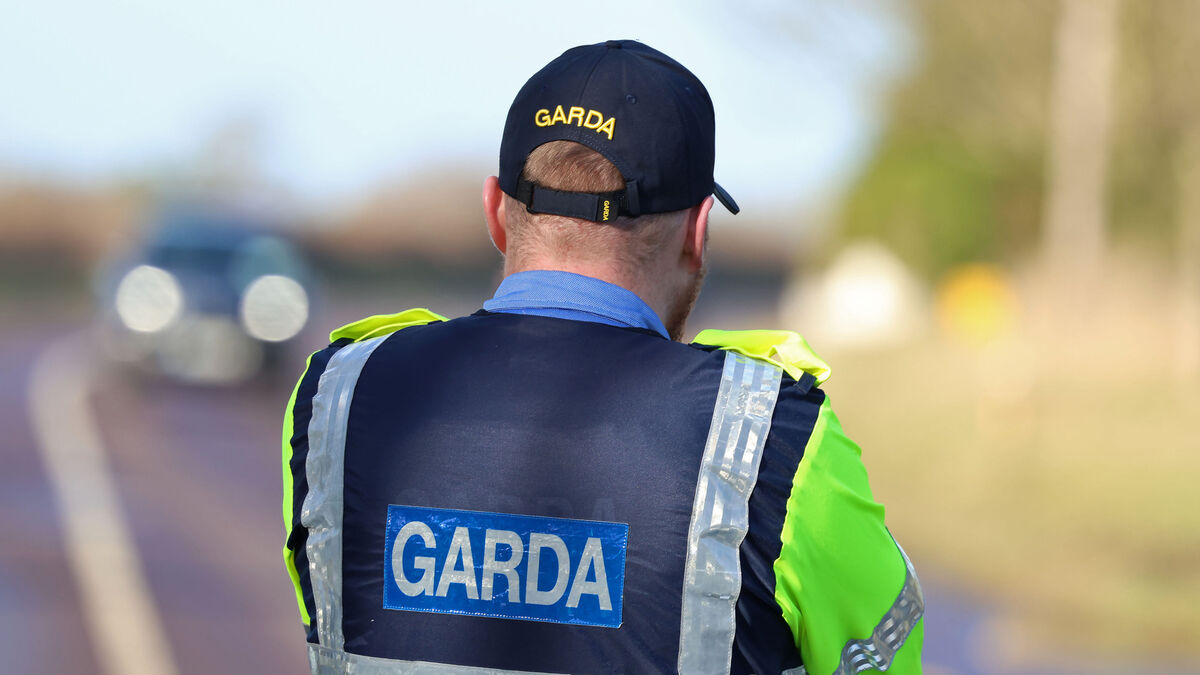
Gardaí detected 2,500 speeding drivers in the first three days of their August Bank Holiday weekend operation. Picture: Colin Keegan, Collins Dublin.
So, unless you happened to be in a coma for the last few weeks, you would have had to be aware that this exercise was taking place. Even if you didn’t see or hear any of the warnings, you would know that the gardaí tend to be more active on the roads during bank holidays anyway.
There is a bigger chance you will be stopped at a checkpoint during these times. It has always been like this, and there was no reason to believe the August weekend was going to be any different.
The message was delivered loudly and clearly: they were going to prioritise safety by observe if drivers were obeying speed limits, not driving under the influence of alcohol or drugs, consistently wearing seatbelts, and avoiding distractions while driving.
Last year recorded the highest number of road deaths in a decade. As of July 28, 2026, 185 people have died on Irish roads, 13 more than during the same period last year. Some 4,600 motorists have been arrested for driving offences during the first half of the year, and more than 18,000 vehicles have also been seized.
During the first six months of the year, gardaí issued more than 119,000 speeding notices; there were 14,500 fines for mobile phone use while driving, and 3,000 for failing to wear a seatbelt. So, gardaí were determined to go all out over the weekend.
Well, even they must have been surprised at how it went. They detected 2,500 speeding drivers in the first three days. That was before the weekend was even over, and one guy was caught travelling at 182 km/h in a 100 km/h zone.
Meanwhile, more than 270 drivers were detected holding a mobile phone or not wearing a seatbelt, and a total of 88 people were arrested for driving under the influence of an intoxicant, and we were only into Sunday.
Which begs the question: how many offences would have been committed if there were no gardaí on duty over the weekend? Or how many offences are going undetected every day of the week all over the country?
The answer is obvious. Just pick a spot in any town or city and watch the traffic for a few minutes and you’ll see numerous examples of bad driving. Drivers using their mobile phones and driving at speeds inappropriate for the location.
Some of it would make the hair stand up on the back of your neck, and everyone has a story to tell. There is no shortage of examples of bad driving, so it’s no wonder that serious injury and fatal accidents are on the rise.
The standard of driving in built-up areas, in housing estates, near schools and in towns and villages everywhere is nothing short of atrocious. I’m not the only one saying this. Journal.ie conducted a poll earlier this year, and they asked a straightforward question. Has the standard of driving in Ireland gotten worse? When I had checked the responses, 86.9% of respondents said yes.
I drove into town on the bank holiday Monday around 7pm and parked near the area used by camper vans. It was raining, so I sat in the car waiting for it to ease off. The roads had been bone dry for weeks, so the rain was going to make the surface a bit greasy. That would affect driving conditions. It would take a car longer to come to a stop in an emergency, but that didn’t bother some of the drivers I saw. Or maybe they just didn’t understand. Within the space of a few minutes, three cars sped into the camper van parking area, hopping over the speed bump on the way into the parking lot.
That standard of driving has to change, but nothing that has been tried up to now by the various agencies involved in road safety seems to be making a difference, so why not try something new. Maybe it’s time to change how we instruct learner drivers and how we test them by introducing the art of defensive driving into the structure.
Defensive driving is a set of driving skills and techniques that allow drivers to defend themselves against possible collisions caused by poor driving, weather, and unexpected events on the road. It’s about awareness, anticipation, and reaction. Awareness involves watching the surroundings, watching other vehicles, and staying alert to potential hazards.
Anticipation is predicting what other drivers might do and preparing for unexpected situations. Reaction involves making quick, safe decisions to avoid accidents. It’s a system that drivers of emergency vehicles will be familiar with, and once you learn it, it stays with you forever.
Lack of awareness by drivers is a huge issue on the roads today, and anything we can do to improve that must surely be worth a shot. Other strategies have been introduced over the years, but the carnage continues.
And it’s not only the serious accidents. Minor, needless collisions clog our road networks every day, causing huge inconvenience to other road users, and most of them are avoidable.






 App?
App?


