Our fight for equal rights for people with disabilities
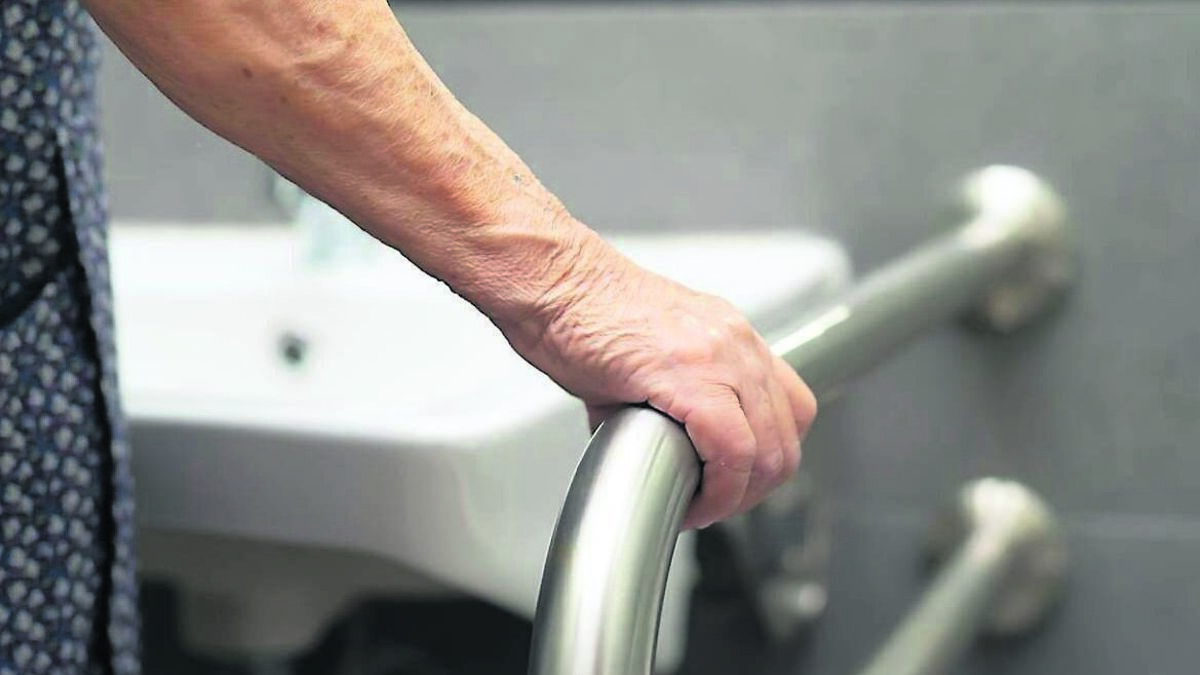
Fostering disability-inclusive societies is not optional, is it essential for advancing social progress
Today, December 3, the world observes the International Day of Persons with Disabilities under the theme ‘Fostering Disability-Inclusive Societies for Advancing Social Progress’. This is more than a slogan - it is a call to action.
Globally, 1.3 billion people - 16% of the world population - live with a disability. In Ireland, over 22% of the population - more than 1.1 million people - report having a long-lasting condition or disability. These are our neighbours, colleagues, and friends.
Yet, despite progress, persons with disabilities remain among the most marginalised groups worldwide, facing persistent barriers to education, employment, healthcare, and participation in community life.
The Cost of Exclusion
Exclusion is not only unjust - it is costly. Underemployment of persons with disabilities costs up to 7% of GDP in low- and middle-income countries, and similar dynamics affect high-income nations. In Ireland, the disability employment rate is just 32.6% - almost 20% below the EU average - and the employment gap stands at 38.6%, one of the highest in Europe. Poverty rates tell the same story: two in five people unable to work due to disability are at risk of poverty, and one in five live in consistent poverty.
These figures reflect systemic barriers - lack of accessible infrastructure, insufficient support services, and policies that fail to account for the extra costs of disability. When societies exclude, they waste talent, creativity, and potential.
Why Inclusion Matters
Disability inclusion is not charity - it is a matter of rights and justice. The UN Convention on the Rights of Persons with Disabilities, ratified by Ireland, affirms that people with disabilities have the same rights as everyone else: to education, work, healthcare, and participation in public life. Yet, rights on paper do not always translate into reality.
At CBM Ireland, we believe inclusion is the foundation of social progress. Our work focuses on breaking the cycle of poverty and disability. In order to do this, it is vital to partner with Organisations of Persons with Disabilities (OPDs) themselves in the countries we work and at regional global level to move power and control of decision- making and finances to people with disabilities themselves.
It is important to advocate for systemic change in policy and practice, moving beyond gestures, tokenism, and ad-hoc approaches. The basic starting point is to ensure what are called ‘the preconditions for inclusion’ - such as accessibility (being able to enter a building), assistive technology (hearing aids, glasses, wheelchairs to name a few), and support services are in place for people with disabilities to fully participate in society.
In our shared social contract, it is important to recognise and accept there is an additional cost for this, and to budget accordingly.
The Irish Context
Ireland has made strides in disability rights, but challenges remain. The extra annual cost of living with a disability in Ireland is estimated at €10,000-€14,000, a figure that has likely risen with inflation. Meanwhile, 43% of disabled people report some level of depression, and 25% rate their health as “bad or very bad” compared to 4% of the general population. These statistics underscore the urgent need for inclusive health systems and mental health support.
Education is another critical area. While participation in higher education has improved - 12.4% of new entrants in 2020/21 were students with disabilities, up from 5.4% in 2011/12 - gaps persist in access and outcomes. Inclusive education is not just about ramps and resources; it is about attitudes, training, and systemic change.
It is good to see Ireland increasing the funding available for disability across the country. Increases for the Disability Allowance and Child Support Payment, expanded eligibility and higher rates for the Wage Subsidy Scheme, and significant funding increases for disability services, including funding for residential places, home support hours, and respite care, are all welcome in Budget 2026. Ireland’s commitment at the Global Disability Summit this year of 15% of its overseas aid projects being disability inclusive is a starting point. But it cannot be the end point.
A Call to Action
Fostering disability-inclusive societies is not optional - it is essential for advancing social progress. Inclusion benefits everyone: diverse workplaces are more innovative, inclusive communities are more resilient, and societies that uphold rights are stronger.
So, what can we do?
Policy-makers must embed disability inclusion in all strategies - from housing to health to climate action. Businesses should close the employment gap by creating accessible workplaces and valuing diverse talent. Communities can challenge stigma and ensure participation in local decision-making.
Each of us can advocate for accessibility, listen to lived experiences, and amplify voices too often silenced and just be that bit more aware. I had the embarrassing situation very recently where I did not think to take the access needs of one of my colleagues into account when making a dinner reservation. In my position, I should have done better - but it reminded me I need to do better. I let my colleague down, to my shame, and it was down to thoughtlessness.
On this International Day of Persons with Disabilities, let us commit to building a world where everyone - regardless of ability - can thrive. Because when we include, we progress.
Nor should we limit our ambition to disability inclusion here in Ireland. In places where resources are scarce, Ireland’s overseas aid policy needs to commit to full disability inclusion to end the cycle of poverty and disability.
Learn more at www.cbm.ie
- CBM Ireland is an international disability rights organisation, committed to improving the quality of life of people with disabilities and those at risk of disability, in low-income regions of the world.



 App?
App?


