Kathriona Devereux laments closure of Cork café
People remembered the first free chip on a wooden fork of their childhood or the numerous family occasions that happened with a hot pile of chips on the table.
The dopamine-releasing joy of eating fried food with friends and family encoded positive memories into the corners of loyal customers’ minds, which was why so many were bereft at the thought of life after Lennox’s.
Last week, however, I felt the wrench of losing an establishment that had been part of my life for over a decade.
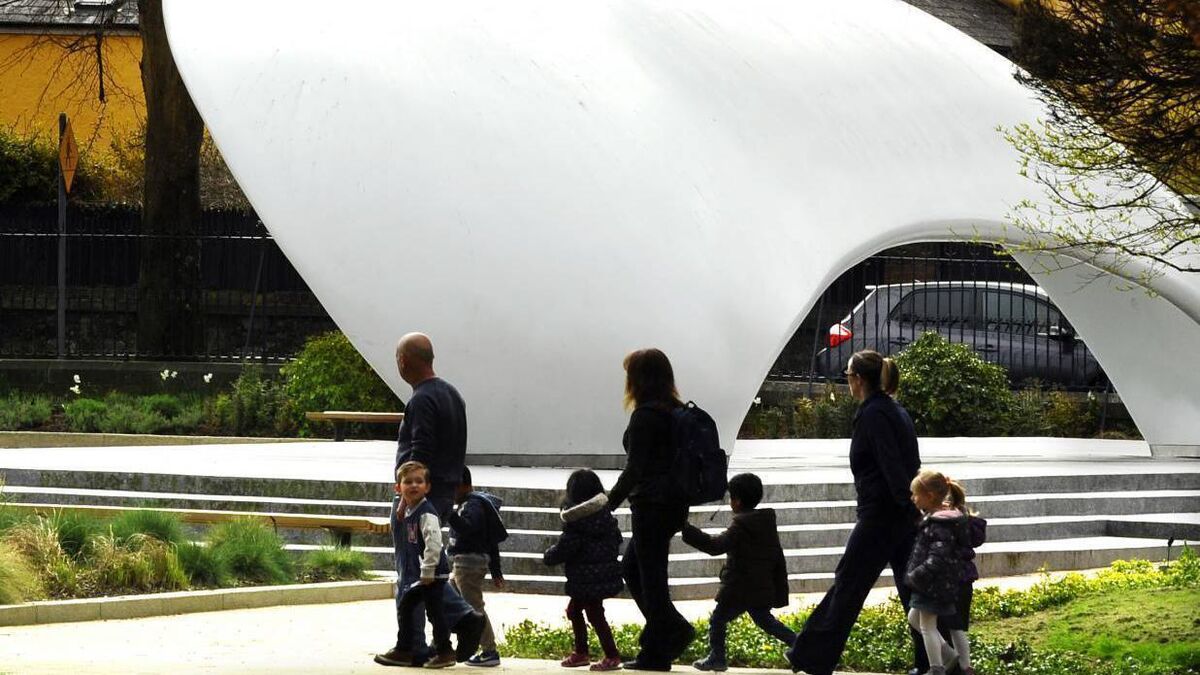
A testament to the miserable weather of January, I only made my first visit of the year to Fitzgerald’s Park when the start of February mercifully coincided with blue skies and a promise that longer, warmer days are on the way. The kids and I planned to do what we had done countless times before - grab a snack and tea from the café before wandering the park.
We were all so sad to see the notice on the shutter of The Natural Foods Bakery saying that, after 11 years in the park, the café was closing.
My daughter lamented the loss of their ham and cheese sandwich forever. I assured we can still go to their branch in Blackrock for said sandwich, but we knew it wouldn’t be the same.
For me, the café in Fitzgerald Park is connected with the exhausting and heart-bursting period of early motherhood, when the joy of falling in love with your new human is softened somewhat by the exhaustion of 5.30am wake-up calls and endless feeding sessions.
A morning coffee and scone surrounded by the beautiful trees and riverside location brought comfort and nourishment and restored my flagging spirits on many a day.
The café was a place where we’d bump into old neighbours, schoolmates, and colleagues. Where we could meet friends for lengthy playdates when toddlers would be occupied running up and down the ramp of the Sky Garden long enough to drink a hot coffee.
As the kids grew, it was a haven in pandemic times where eating a sandwich that someone else had made was the epitome of fine dining.
There are so many pictures of my kids sitting outside the café, growing older over the years, but with the same milk moustaches and crumb-dusted chins.
Since Donald Trump was inaugurated, I have been actively trying to ignore the convulsions in the media that his flurry of executive orders creates.
I don’t live in America, he’s not my president, I can’t do anything about what plays out on the other side of the Atlantic, and getting caught up in the daily outrage is not good for my nervous system.
Yet, dodging the daily updates from the Trump and Elon Musk variety show feels nearly impossible.
What I find most bewildering about the clampdown on undocumented immigrants, cancellation of diversity and inclusion efforts, or the cancelling of foreign aid budgets, is why men of such power and wealth seem intent on making the lives of powerless and poor people more difficult?
How does 53-year-old South African, Elon Musk, a father of 11, decide that one of the most important things on his 2025 ‘to do’ list is to shut down an aid agency that provides vital assistance to vulnerable people around the world? Since when does attacking the delivery of emergency aid in response to earthquakes, famines, pandemics, and conflicts become an acceptable strategic goal?
Sure, a 40-year-old government agency with a $40 billion budget could probably do with an audit to improve efficiency and prune wasteful expenditure, but turning off humanitarian aid overnight is unlikely to help global stability or US strategic interests.
Elon Musk managed to turn a childhood interest in computers and technology into personal wealth of more than $400 billion. Has his unimaginable success made him entirely removed and short-sighted to the plight of millions of vulnerable people?
He is someone who believes logical thinking and capitalist-driven innovation are the routes to solving civilisation’s problems, but how can someone be so blinded by budget savings and government efficiency that they are content to pull the plug on programmes that combat global health crises such as HIV/Aids, malaria, Ebola and covid-19? Where is his compassion?
USAID was established by President John F. Kennedy during the Cold War era to win the hearts and minds of people around the world by working to eradicate smallpox and polio and provide a positive influence in the world.
It could be argued that USAID is the soft power arm of American imperialism and that the long-term delivery of aid has not been successful in reducing poverty or stabilising struggling nations.
Musk’s vision emphasises rationality and efficiency, applying engineering principles to streamline government. It is an approach that lacks empathy and fails to consider the human impact of sweeping cost-cutting decisions.
The solely rational, logical and profit-driven approach of capitalist mentalities are what have the world in the state that it is in. Compassion, inclusion and cooperation are the skill-sets that help humans survive and thrive. More, not less, of those ‘soft skills’ will be needed in the years and decades ahead.





 App?
App?


