Why Tabor Lodge is a lifeline for addiction
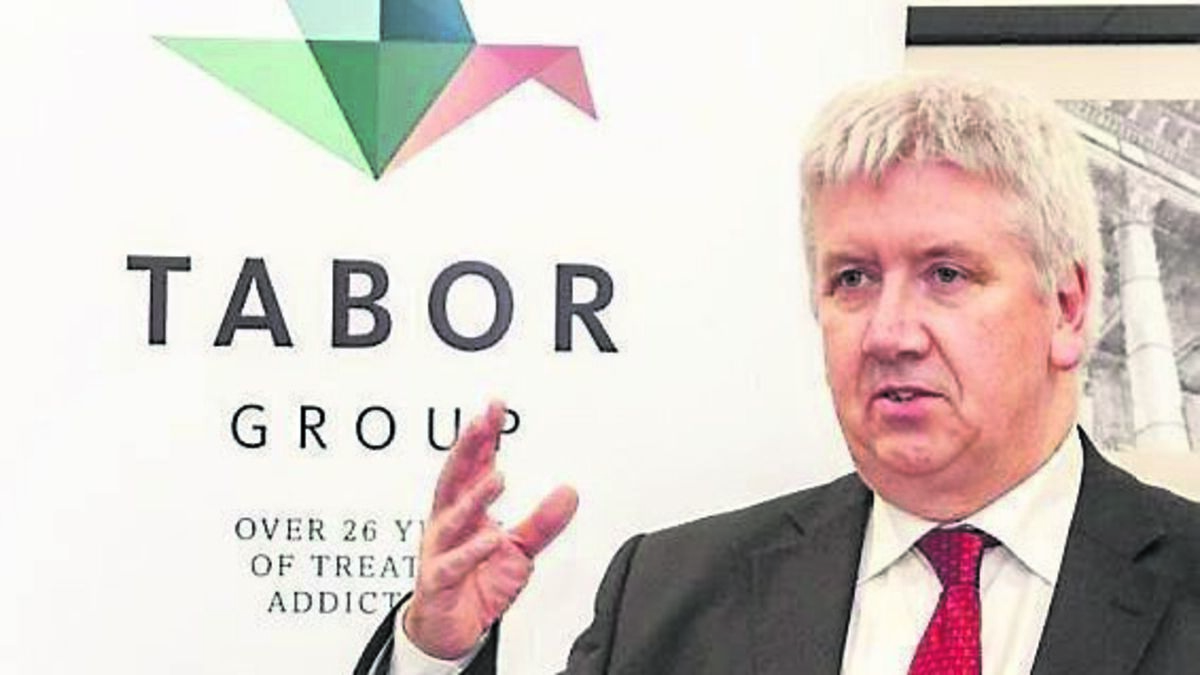
"There’s a huge demand for services." Mick Devine, Clinical Director of Tabor Group
Q: What is the difference between Tabor Lodge here in Belgooly and the Tabor Fellowship on Spur Hill?
The Tabor group has been evolving in recent years, since Covid, there has been a big increase in the need for residential treatment so both buildings are given over to residential care. Here in Tabor Lodge, we offer treatment programmes of between 4-6 weeks and at Tabor Fellowship unit we are offering treatment programmes of 12 weeks.
Q: What is the first step for someone who wants treatment?
The first step is to assess the clients’ needs. We have a process to assess what the person needs across 10 fields. We can then tailor the program to what the client needs.
Q: What do you mean by fields?
Accommodation, if someone’s accommodation is stable and they have a home to return too. Assessment of how the family is, is their addiction in the family, mental and physical health needs. Legal histories, education levels of people, employment history, maybe someone has a job to go back to which can offer structure to their life.
Q: So, a programme of treatment is then created around these needs?
Yes, during assessment a picture of the client’s life and needs starts to emerge, and decisions can be made around what programme will best suit them.
Q: When this is done, do you have other agencies to call on to work with you to facilitate the individual’s programme?
Yes. Mental health services might need to be involved. Community employment schemes, accommodation services. We have a wraparound approach where all these services and agencies work as a team.
Q: Has it gotten busier in recent years?
Yes. Very busy. There’s a huge demand for services. During Covid, people were able to attend meetings online.
Q: How did lockdowns affect recovery?
People were isolated, home alone, the usual controls someone might use to manage a drink or drug problem weren’t there. As people come in now and tell their story, you can see there will be a Covid chapter. How their addiction took a turn. The alarm of not having controls.
Q: Explain controls.
Going to work would be a control, when you must go to work you might limit the amount of alcohol you’re consuming. Younger people who couldn’t go out with their friend were isolated in their rooms instead of being at school or sports activities and parents had no idea what was going on with them. Controls were gone and things spiralled for people.
Q: Is it true people will relapse in both happy and sad times?
Yes. Drink is very much entwined in our lives. We associate it with happy times like celebrations with family or sporting events. And when someone is feeling happy, they might think having a drink will make this occasion even better. It takes time to disentangle it all. This is why we have aftercare services. During residential treatment you get the knowhow and the understanding and the tool kit to manage these situations. But it’s when you go back to daily life that the real challenges can start. That’s when the aftercare programme becomes important.
Q: You provide recovery living houses. Are these like halfway houses?
Halfway house is the old name for them. This is normally for those who are in the 12-week programme at Tabor Fellowship. If it isn’t prudent for them to return to their home environment, it will give them time to establish themselves and get life back on to a good footing, maybe that will be with training or education. It can take time for that to happen.
Q: Why would someone need 12 weeks in Tabor Fellowship as opposed to 4-6 weeks in Tabor Lodge?
Many clients in Tabor Lodge have fewer complex needs. As an example, their job might be there for them to go back to, so they might be just taking time out to get their treatment and put their life back on track. A lot of those in the 12-week programme may have what we call a poly addiction, an addiction to more that one substance. Maybe their home life is too chaotic to go back to. Maybe there is addiction in their household with other members of their family, so this will be a longer process.
Q: Is there a difference between addiction you see in the city as opposed to the county?
We see a lot of alcohol in the country and more street drugs in the city among disadvantaged groups. Drug use can be more secretive in rural areas.
Q: Did alcopops and the availability of cheap alcohol in supermarkets contribute to the demand for your services?
We don’t work with people under 18, but when you go back to the beginning with a client, the likes of alcopops can be the gateway into addiction for youngsters. They think its great fun and are out with friends because it makes them feel good. But it would happen with other types of alcohol, be that vodka or gin of the alcopops weren’t available. There is a lot of drinking at home.
There is a lot of work being done with regard to minimum pricing and advertising and accessibility but we’re having a hard job implementing that. The drinks industry has a lot of powerful lobbying forces. But we are also dragging our heel in Ireland with getting to grips with our relationship with alcohol.
Q: With all the knowledge out there around the dangers of alcohol and vaping, etc, why are young people still taking it up?
A lot of it is peer pressure, but we are finding it can go back to childhood trauma. They take substances so they can feel good and escape from adversity or trauma.
Q: Would it be fair to say it is the same powerful lobbying forces that allow all the gambling advertisements?
Yes. The gambling and alcohol industry are brilliant at selling their products. They’re very manipulative.
Q: You don’t need to engage a bartender or drug dealer to gamble, is that why 1 in 30 (ERSI research) have an issue with it?
Within a couple of clicks on your phone, you can gamble, which has been a huge contributing factor to the increased problem. People can be embarrassed and ashamed. That is why gamblers can be so secretive about it. It can start with a game of bingo or a scratch card.
The problem escalates and it will usually be financial trouble that will bring people to treatment. The financial crisis will be known by their family and the secret is out. The addiction is overwhelming and despite their best efforts, the situation will deteriorate until they run out of road and family relationships will be suffering, and they’ll know they can’t go on without help.
Gambling, like drugs and alcohol has a mind-altering effect. We can bring it back to childhood trauma, or someone can be very stressed or lonely. Their internal life can be unhappy, and gambling can alter that, it can give them a little lift or a little fix. All addiction will have a starting point and each story can be different.
Q: Has the cost-of-living crisis and housing crisis exacerbated the problem?
The housing crisis most certainly has. We give someone treatment and get them on the road to recovery, but if their housing situation is precarious, it is hard to sustain the benefits and relapse may be more likely.
The Chief Medical Officer (CMO) says the strength of cannabis has gone up by 57% in ten years. Will some still think it a recreational drug?
Cannabis is a gateway drug. By that we mean it can be seen as acceptable to smoke it. What the CMO says is correct and stronger types of cannabis can make it more potent and young people might be vulnerable to more adverse effects. Addiction is more likely when dealing with stronger substances.
Q: Is cocaine or heroin more prevalent?
Cocaine. Heroin is decreasing at present. Powder cocaine is being used until a person isn’t getting what they need from it and then crack cocaine comes in. Every client that had an addiction issue with drugs will say that they had no problem getting the drug.
Q: Is prescription medication overuse an issue in Ireland as it is in the U.S?
Not so much here. Some clients will say prescription medication can be a part of their problem if they are overusing along with other substances. Fentany isn’t prevalent as of yet, but I wouldn’t be surprised if it is in the future.
We have a national strategy to monitor what is happening in places like South America so see what the trends are, and the Drugs Oversight Committee watch the emerging trends to see what might become prevalent in Ireland.
Q: Is there a grieving period for people who have given up their addiction?
Yes, there can be a mourning. The addiction has been a constant in their lives. A lot of the substances will have masked depression so a grieving process needs to be gone through.
Q: How many people did you have in treatment last year?
148 people were admitted for treatment and 141 completed the program, so our retention rate is very high. On completion, people will say the treatment was very good and beneficial but on occasion some will relapse. There will always be ongoing challenges for those with an addiction. Relapse can be part and parcel of their addiction.
Q: Can someone avail of treatment if they have already been on the program?
Absolutely. We have a relapse response programme. Some will be referred by their GP and many will contact us directly. After a relapse, someone can learn their triggers and be better prepared for the situation the next time.
Q: Do you get enough funding and government support?
We don’t get enough support. It is difficult for Tabor to recruit as a voluntary service. All our counsellors are qualified and accredited. We recruit good people but it can be hard to retain them. Sometimes, working conditions can be better in the public sector. We need addiction to be priority on a government level.
Q: Is your job rewarding?
Very much so. We help people who want to help themselves. We work with people facing difficulties, and help them on their journey.







 App?
App?


