Calls for Cork City Council to change its rates scheme
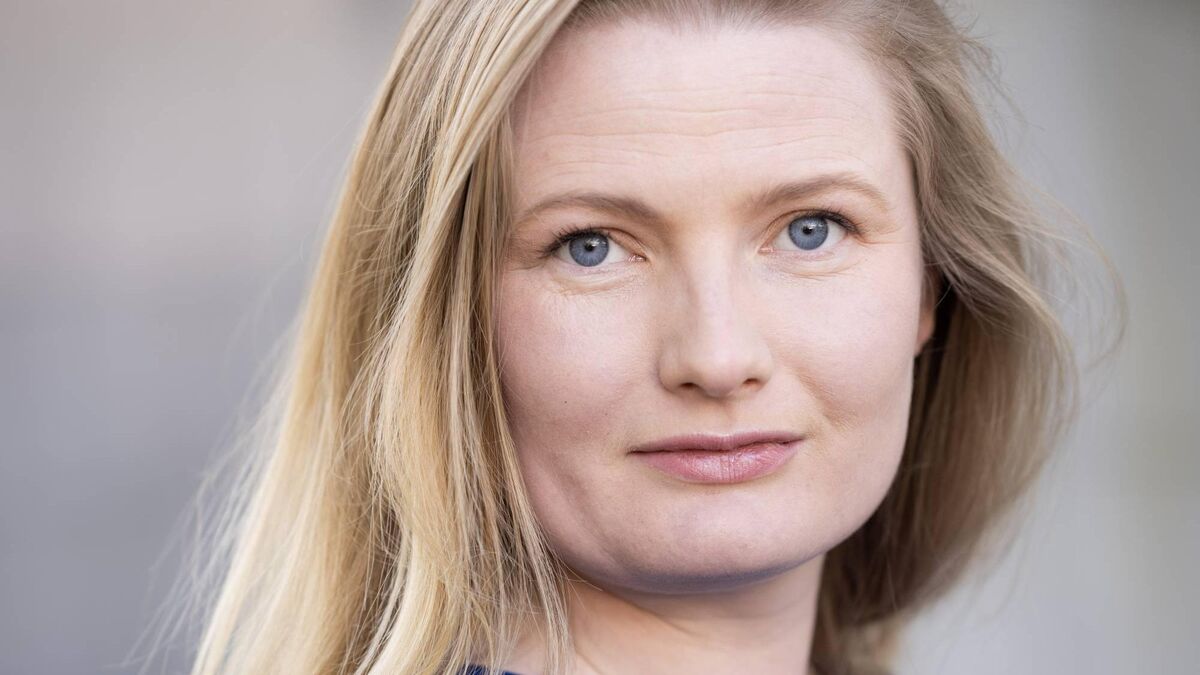
Cllr Lorna Bogue, European election candidate for Ireland South for An Rabharta Glas - Green Left.
DURING budget season, many kites are flown by all political parties, but especially in the final furlongs of election terms.
The most visible at the national level is Sinn Féin’s ‘alternative budget’, and at a distance it is practically indistinguishable from Fianna Fáil’s traditional aerobatics.
In the Junior B local government kite-flying competition, the usual fracas over Local Property Tax (LPT) has become a hardy annual in Dublin City Council. This year, the capital’s professional managerial class proposed a 15% increase on homeowners’ annual bills in order to raise enough money to pay an army of street cleaners to advance a gentrification blitzkrieg.
This was supported, of course, by the tidy-town burghers of the Labour, Green and Social Democrat parties, for whom inflicting a little bit more pain on homeowners is worth it for manicured streets, while community projects are to be crowdfunded through a British platform website called Spacehive.
Priorities, eh?
Thankfully, we have no such annual pantomime on Cork City Council.
Every local authority in the State, but especially city councils experiencing sustained population growth and commensurate cost of living problems, grapples with having only limited levers to raise money to meet the demands of urban growth.
This is by design rather than by accident. Local government predates the national state in Ireland, and council executives have been accused of acting like colonial governors, giving elected local politicians limited options and information while they retain huge operational control.
But the idea Local Property Tax is a major source of council funding is a misnomer. In Cork, the LPT take of some €16 million represents 6.1% of the council’s total income, and in Dublin it represents only 2%.
Every year since I was elected in 2019, I have put it to council that the major variable source of local income is in business rates, which represent some 38% of council income.
While we may not have a brassplate collection to rival Dublin, our top 50 business ratepayers already bring in €22 million and should be taxed more. These include, among others, Apple Inc., whose annual profit in 2022 was €170 billion.
I was ignored every year until last year when one aspect of my proposal was adopted by the council executive: to introduce two brackets for the Commercial Rates Payment Incentive Scheme, which gives discounts to companies for early payment of commercial rates. My broader proposal for a progressive commercial rates scheme came achingly close to gaining support on council last year, 11 to 14 votes with 2 abstentions.
My scheme proposed a marginal increase in the commercial rate of 5% from the 2021 levy, which would have produced a surplus of €2.7 million, spent however the council decided. Council executive and councillors instead settled on 3.8% with minimal discounts.
With regard to the early payment discount, I proposed a 10% discount on rates for small businesses with annual bills of up to €4,000, a 5% reduction for those paying up to €10,000, and a 3% reduction up to €20,000.
Larger businesses with rate bills up to €30,000 would enjoy a 1.5% reduction for early payment.
Fairly generous to my class enemies as a socialist councillor, but it’s what I thought I could get my councillor colleagues to agree to, and they nearly did. For the vast majority, around 80% of businesses in the city, my proposal would represent a real-terms decrease in their liability in comparison with 2021 if they made use of the scheme.
It’s the kite I’m flying this year again, and I hope to convince a majority of councillors across the chamber before we agree our budget later this month.
How local government is funded is hardly a dinner table topic for most people, but it has real ramifications for how the council provides services, facilities and supports to communities. A case in point presents itself with the future funding of Cork Pride, a community festival which has relied on private corporate funding for several years that it can no longer secure. The discretionary ‘social responsibility’ of fairweather capitalists cannot be relied upon to ensure a festival which thousands of Corkonians enjoy annually, and the organisers have asked the local authority to provide funding. Wouldn’t it be a better idea to use the control the city council has over business rates to guarantee an income stream that pays for the things both workers and their employers need, from social housing to playgrounds, from community festivals to fire services?
I won’t hold my breath, but I think city councillors should simply recognise a banal feature of the city’s economy – the top 50 largest businesses see city taxes as small beer.
Nor is it a major imposition for medium-to-large businesses if we collect an extra grand or two per year to fund the things they, their workers and their customers need in a growing city.
Lorna Bogue is a Cork City Councillor and European election candidate for Ireland South for An Rabharta Glas – Green Left.


App?