Why not give ‘Sober October’ a go? I gave up alcohol and here's how I got on...
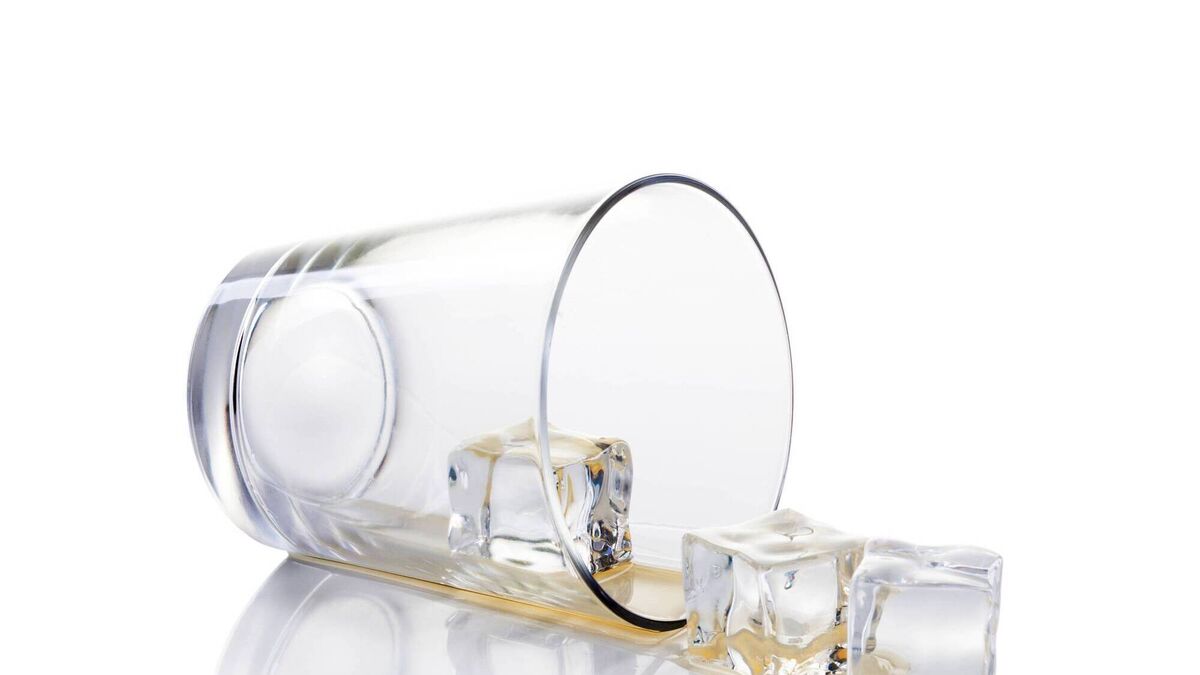
For Feelgood tipped over glass of alcoholic drink.
DRINKING is seen as a given in most Irish social situations – meeting friends, a wedding, a Christening, a funeral, or a confirmation.
There once was a stigma associated with not drinking. People may have perceived someone who didn’t drink as being uncool or dry.
Over the past decade or so, this attitude has changed. Many celebrities, including Lily Allen, Bradley Cooper, Russell Brand, Naomi Campbell, and Natalie Portman, don’t drink. Many have spoken about how much physically and mentally better they feel, having cut out alcohol from their lives.
The culture of not drinking is growing. The Virgin Mary pub in Dublin 1 opened its doors in 2019, claiming to be the country’s first booze-free bar. GAA and rugby player have normalised not drinking coming up to matches and training, and the growing culture of half-marathons, marathons, 10km runs, triathlons and Iron Mans have encouraged people to give up alcohol for months on end.
When I was in college, a friend and I used to set ourselves the challenge of ‘detoxing’ during the period of Lent. We always succeeded in completing the 40 days and nights without alcohol and it made me conscious from a relatively young age how I and my peers drank to excess regularly.
I don’t want to sound preachy about drinking. I certainly overdid it on many an occasion, and more than a few times, woke up with a pounding head, an aching body and poor recollection of the previous night.
Oftentimes, I had spent more money than I meant to, said more than I should have, stopped for an unplanned takeaway the night before and felt the consequences the next day, followed by another cycle of having an unhealthy amount of sugar and carbs to plough through work. Dealing with a splitting hangover when attempting to problem solve is not fun. I would zero out of ten recommend.
When I was in my late twenties, I decided to give up drink for a year. I succeeded. I felt better. Then I gave it up for another year. That was even better.
I was productive, happy and in the best shape of my life. I even completed my first triathlon and signed up for law school. Although I went back to having the odd prosecco and white wine occasionally, I never really ‘overdid’ it again. After the lockdown, I decided to give up drink for good and I’m happy with my decision. I expected more peer pressure from people on social occasions to ‘just have one’. So far, I haven’t experienced any. Perhaps “I don’t drink” has more power and finality to it than “I’m not drinking at the moment”.
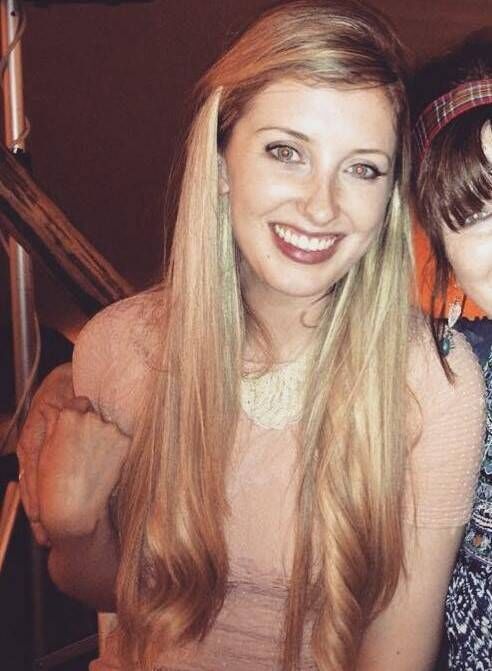
It’s empowering and I feel great. My anxiety levels are lower, my waistline is slimmer, my bank balance is healthier, and my productivity is higher. I would ten out of ten recommend that anyone should set themselves the challenge of not drinking for a month or even a year.
Turn2Me, a national mental health charity, is encouraging the Irish public to get involved in ‘Sober October’ and to quit drinking for the month. Alcohol is a depressant. It can make anxiety and depression worse, it can reduce sleep quality, and it can heighten stress levels.
Reducing or cutting out alcohol can improve our mental health. Our moods can significantly improve when we reduce or stop drinking entirely.
Setting yourself a challenge of giving up alcohol for a month can help you adapt to a healthier lifestyle. It can make us reflect on how many alcohol units we consume, on average, every week and month, and it can also make us analyse our relationship with alcohol.
Many people use alcohol as a social crutch, and they can start to rely on it in stressful or awkward situations. Nowadays, so many people decide to not drink at all, or not as much, on a night out, thanks to so many alcohol-free alternatives. A month-long challenge like Sober October can make us consider how reliant we are on alcohol, why we consume alcohol, and how much happier we feel when we don’t drink as much or at all.
Turn2Me stated that using alcohol to numb emotions or to reduce stress is counterproductive. The charity stated that after the initial relaxing effects wear off, the problems at the root of the stress are still there and may be heightened under the influence of alcohol. Excessive alcohol also leads to the development of serious health issues including heart disease, stroke, high blood pressure, digestive problems, and cancer.
Turn2Me is encouraging anyone who is feeling anxious, depressed, or going through a period of grief to sign up to their free one-to-one counselling sessions or their free support groups, available on the Turn2Me website, Turn2Me.ie







 App?
App?


