Christy O'Connor: GAA must get serious to truly expand hurling footprint
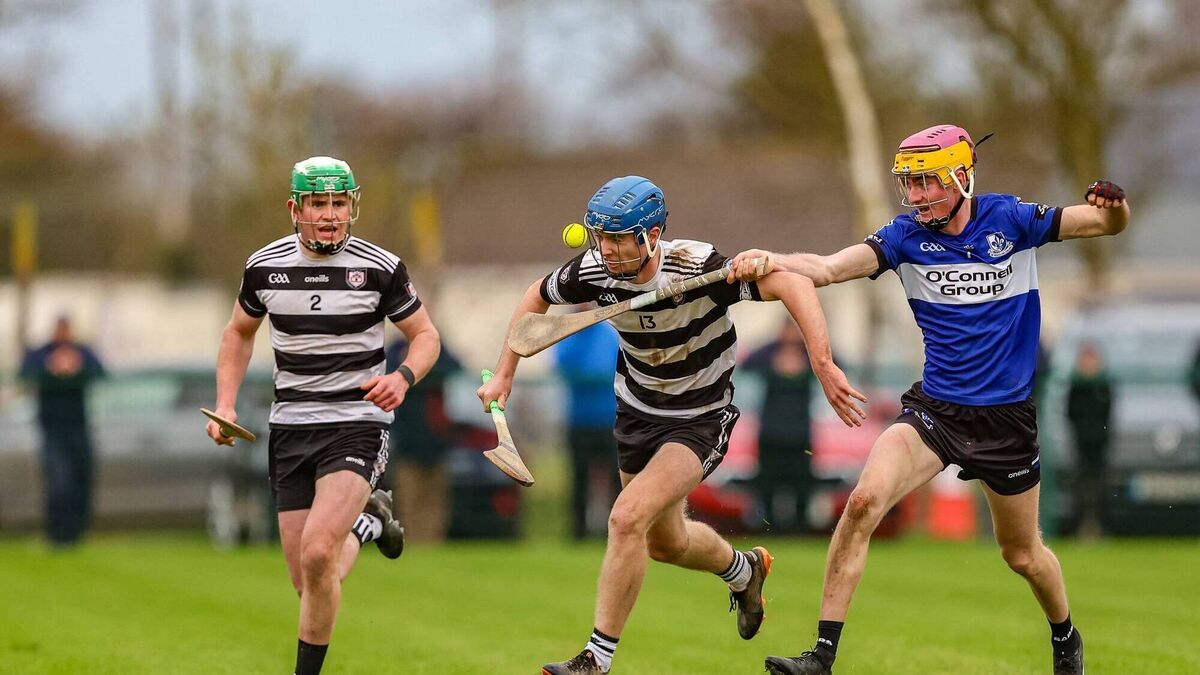
Jack Huggins, Sarsfields, flicks the sliotar away from Midleton's Cian Stack with Tom Dunlea watching on, in the Imokilly U21 final. Areas of Cork and Ireland are hurling hotbeds but elsewhere it's a wasteland... Picture: Denis O'Flynn.
The week before the 2024 All-Ireland hurling quarter-finals, the dominant narrative was Clare’s decision to vote against playing the games in a prime-time Sunday slot, which directly clashed with Wexford’s staging of Féile na nGael.
A backlash was inevitable but the fallout felt even more awkward when it came from within the hurling community.
“We’re all hurling people who have to make decisions in our own counties but then we seem to be able to have cognitive dissonance,” said Liam Griffin, the former Wexford manager.
“We need to have a good open mind and think of what’s best for hurling. Those of us who are in hurling should be trying to guard that.”
Clare’s argument was that the right decisions around the fixtures weren’t made in the first place. Wexford flagged the potential clash with the Central Competitions Control Committee (CCCC) four weeks earlier. At that stage, the Tailteann Cup was still in the group stages.
That was the time to discuss swapping the Tailteann Cup semi-finals and hurling quarter-finals.
GAA president Jarlath Burns intervened after Clare said at a meeting that hurling was not being promoted enough with the All-Ireland quarter-finals scheduled for so early on a Saturday.
Yet when the CCCC wouldn’t make a decision, some Clare players and management had made alternative family plans for the Sunday due to the certainty that the match wouldn’t clash with the game.
The whole affair was a mess, especially when both Clare and Wexford – similar to all hurling counties – were looking for the same goal; more space in the calendar and a greater care to promote hurling by the organisation tasked with its guardianship.
The discomfort was even more acute when hurling people turned on each other.
The community is so small and tight, so interconnected by the same communal brotherhood and identity that there is an undeclared responsibility to look after each other.
That need was all the greater again when football’s expanding profile and volume of games were threatening to gobble up more of hurling’s protected territory.
If anything, that territory is less protected again after last Saturday’s decision by Central Council not to extend the Joe McDonagh Cup to the end of July where it would feature as the curtain-raiser to one of the All-Ireland semi-finals.
With just five matches now across the last six weeks of the hurling championship, four of which are played across two weekends, hurling feels more diluted than ever when football is ramping up at that stage of the season.
Althouth the football championship is more intense than ever now under the new system, there is still that nagging sense of hurling being wound up, and then wound down too quickly.
July is the obvious peak but the hurling championship feels most alive in the first few weekends of May when every team is either scrambling to stay alive or stay ahead. The provincial finals will always be special days but the quarter-finals have never really got the wider public excited, which makes the hiatus between the first week in June and opening week of July feel far longer than it should be.
Extending the Joe McDonagh Cup into July is not necessarily going to enlarge the game’s profile but that misses the point when hurling should have taken the opportunity to play more games in June and July when that offer was on the table.
It’s even more frustrating when four of the six counties which played in the 2026 Joe McDonagh Cup – Antrim, Carlow, Down and Laois - spoke in favour of retaining the current schedule.
Why? A later McDonagh campaign would have impacted on the club championships in those counties.
Every county has to consider and cater for its wider playing population but those counties’ decision to turn down the opportunity for their flagship hurling team to play on a bigger stage for longer into the season is another illustration of how the game’s best interests are continually being undermined and under-serviced.
Read More
It’s possible that the decision was also tied into the announcement last month that Leinster will bring a proposal to Congress for an eight-team hurling championship from 2028.
That’s positive in the short term but it doesn’t address the difficulties the counties in Leinster expected to be included in that group will continually face going forward in their current state. The average hurling proportion of GAA clubs in those counties is just 44%.
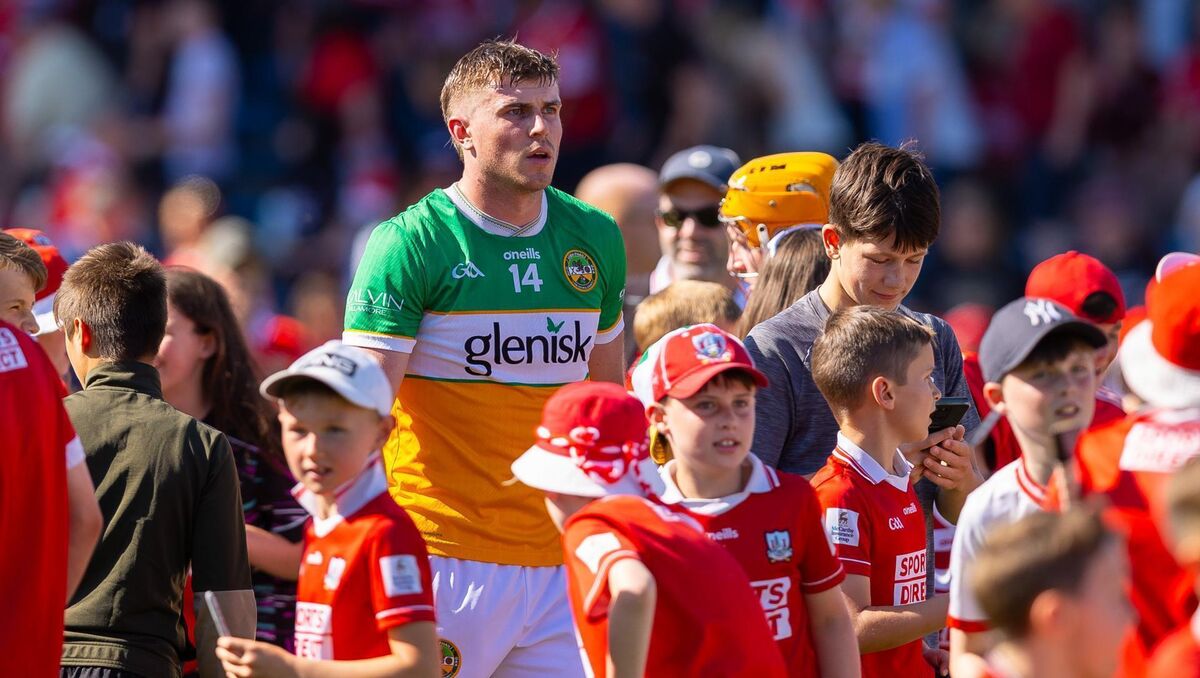
Offaly have really benefitted from the Offaly Combined Schools in the Leinster Colleges Senior A championship but there is no Kildare, Laois or Offaly school in that competition, while Coláiste Mhuire Mullingar (who reached the semi-final) were the first Westmeath school to compete in the grade last year.
Promoting widespread schools participation with a calculated and deliberate strategy is one of a number of areas that would increase participation numbers.
Every county must help themselves first but hurling counties also need to help those around them more.
Galway were the only established hurling county last week that voiced their support for an extended McDonagh Cup.
Other elite counties may have felt that there was no point articulating what was best for the game if those counties involved in the competition didn’t want an extension.
Then again, maybe that was also down to more of the “cognitive dissonance” that Liam Griffin spoke about two years ago.









 App?


