Christy O'Connor on Ben O'Connor's bold and brave move to bring Cian O'Neill into Cork hurling setup
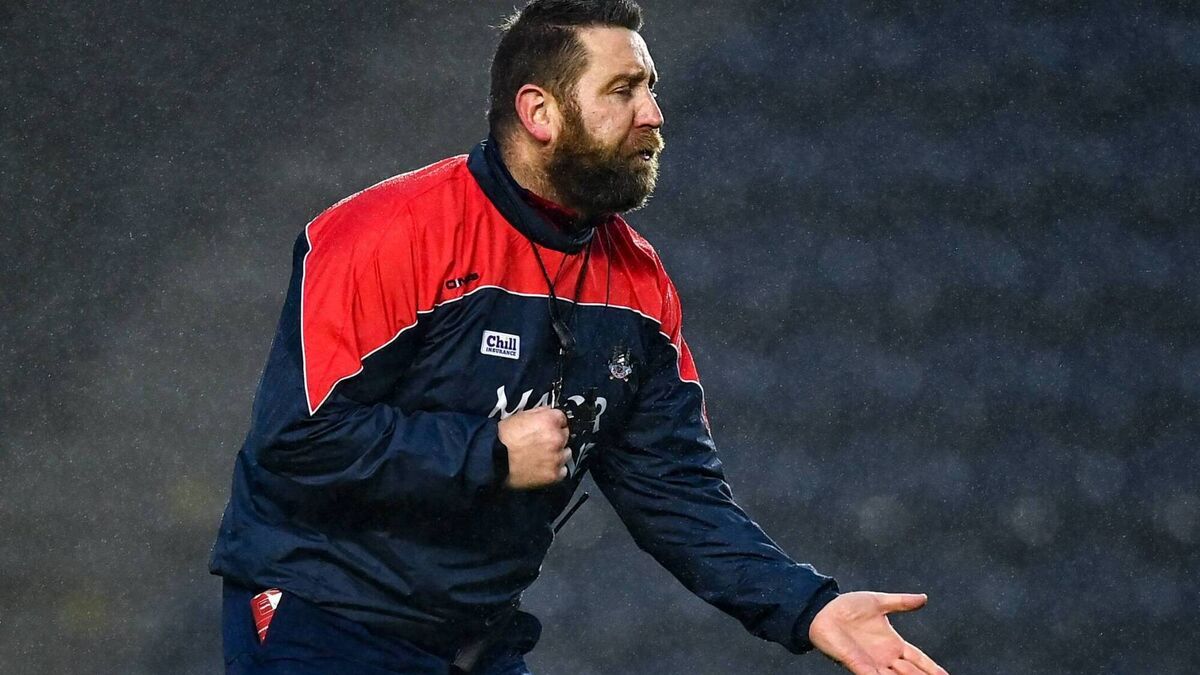
Cork coach Cian O'Neill during the Munster GAA Football Senior Championship Semi-Final match between Cork and Kerry at Páirc Uí Chaoimh in Cork. Photo by Eóin Noonan/Sportsfile
In an interview on three years ago, Cian O’Neill spoke about first transitioning from coaching an inter-county football team to an inter-county hurling team.
O’Neill had been involved with the Limerick footballers under Mickey Ned O’Sullivan before getting a call from Liam Sheedy after he was appointed Tipperary manager at the end of the 2007 season.
O’Neill’s background, from a playing and coaching perspective, had always been rooted in football but he had been branching out into hurling. As well as having coached the UL Fitzgibbon Cup side, O’Neill had also done some coaching with Toomevara in the Tipperary club hurling championship.
O’Neill’s background was in sports science so his initial brief with Tipperary was their physical and athletic development. His contact time with the players on the field initially began through integrating aspects of physical training with coaching – a relatively new concept at the time – which was mostly based around tackling.
O’Neill though, was still raw around his knowledge of the game. The intensity of those tackling sessions was immense but there was far too much fouling going on. So the only way O’Neill could improve technique was through the interdisciplinary input and interaction from Sheedy, the lead hurling coach, Eamon O’Shea, and Michael Ryan.
“That was a huge learning from me,” said O’Neill in that interview. “I was only half getting it right because I was missing what would be allowed when they crossed the whitewash on match days. The lads were brilliant in helping me understand that from a hurling perspective.”
Just over a year after O’Neill was involved with Tipperary, he joined the Newtownshandrum set-up. “I learned an awful lot from them and how they played,” said O’Neill.
Newtown had a very specific straight line-possession style. One day, O’Neill mentioned tweaking their game to incorporate some diagonal ball from the number 5 to the 12 pocket. It didn’t go down well.
“I nearly got kicked out of the club,” he said. “That was not in their DNA.
Still, both parties made it work, just as Tipperary had. Newtown were county and Munster champions in 2009. Tipp won the All-Ireland in 2010. O’Neill adapted, evolved and learned. In tandem, Newtown and Tipp improved and developed. And success followed.
Almost two decades on, Cork hope now that a similar dynamic will work for the senior hurlers after O’Neill was recruited by Ben O’Connor as their lead coach.
Read More
It’s a bold and brave move from O’Connor, but it’s also a perfectly logical and sensible one considering the vast experience O’Neill has accumulated at the highest level.
As well as being involved with eight different inter-county teams across the last two decades, O’Neill has coached a team in 10 All-Ireland finals, including four of the last five years. How valuable will that worldliness be for a manager, and management team, that had no inter-county senior management experience prior to last year?
Cork did a lot right in 2026. They reached a league final. They became just the second team in the history of the provincial round robin to win all four group matches. Cork lost the Munster final to Limerick by one point. Prior to the All-Ireland semi-final defeat to Galway, Cork looked structurally better set up.
Functionality replaced flair. Their scoring returns were down. The goals dried up. Some players struggled to recapture their form of 2025 but much of that had to be tied into Cork not having a lead coach this year.
After Niall O’Halloran departed the set-up shortly after he joined, there was no identifiable lead coach, which always had the potential to lead to mixed messaging.
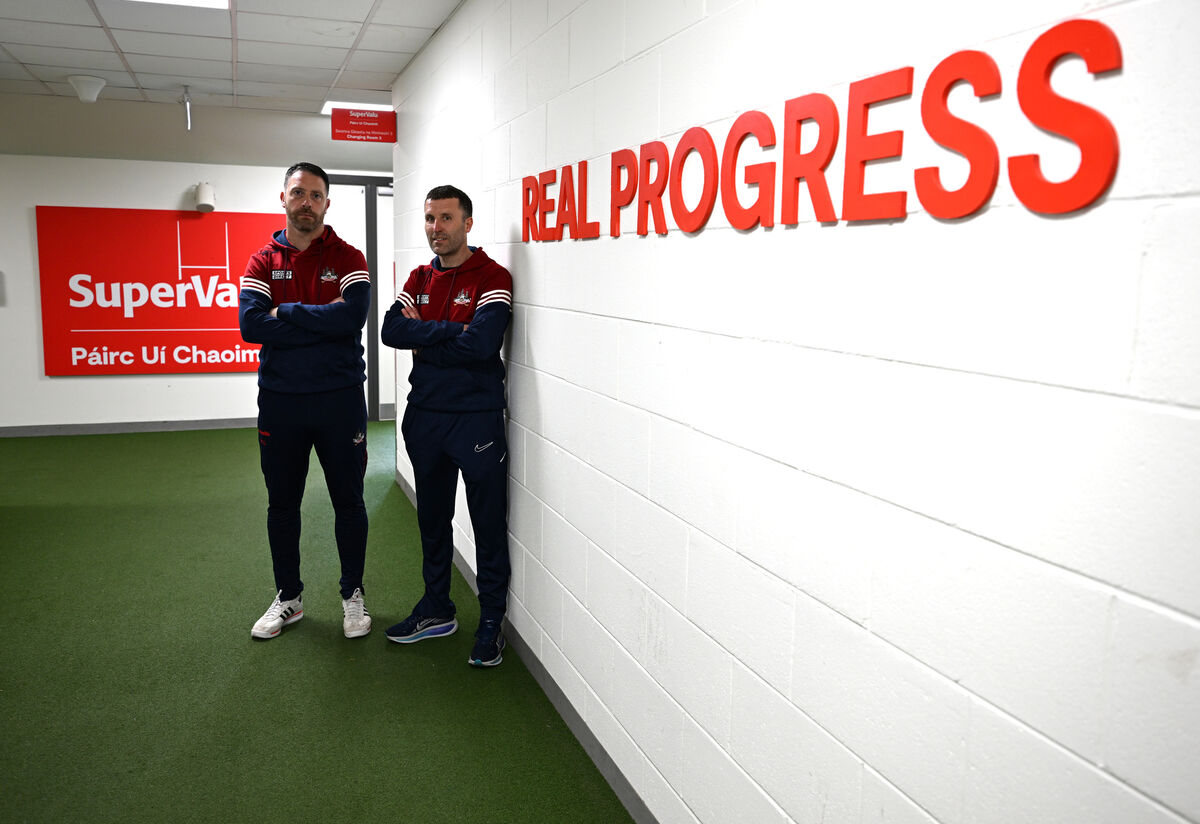
That won’t exist now with O’Neill on board. There is even more of a public value on his appointment in how nobody is in any doubt now as to who is the head coach. And that presents even more value around accountability, both for O’Neill, and O’Connor and his management.
O’Connor has to shoulder responsibility for what went wrong in 2026, but he has already shown a willingness to think outside the box by going after O’Neill – especially when his background is so rooted in football.
Immersing himself back into an elite hurling environment for the first time in 14 years is a huge challenge for O’Neill. He is smart and intelligent enough to be able to tailor his coaching strategies to adapt to those demands.
O’Neill’s worldliness and experience will override most of the obstacles he faces, especially when his coaching principles will be so firmly rooted in the pillars of his coaching philosophy; role clarity, role acceptance and role execution. And Cork suffered from a deficit in those areas this season.
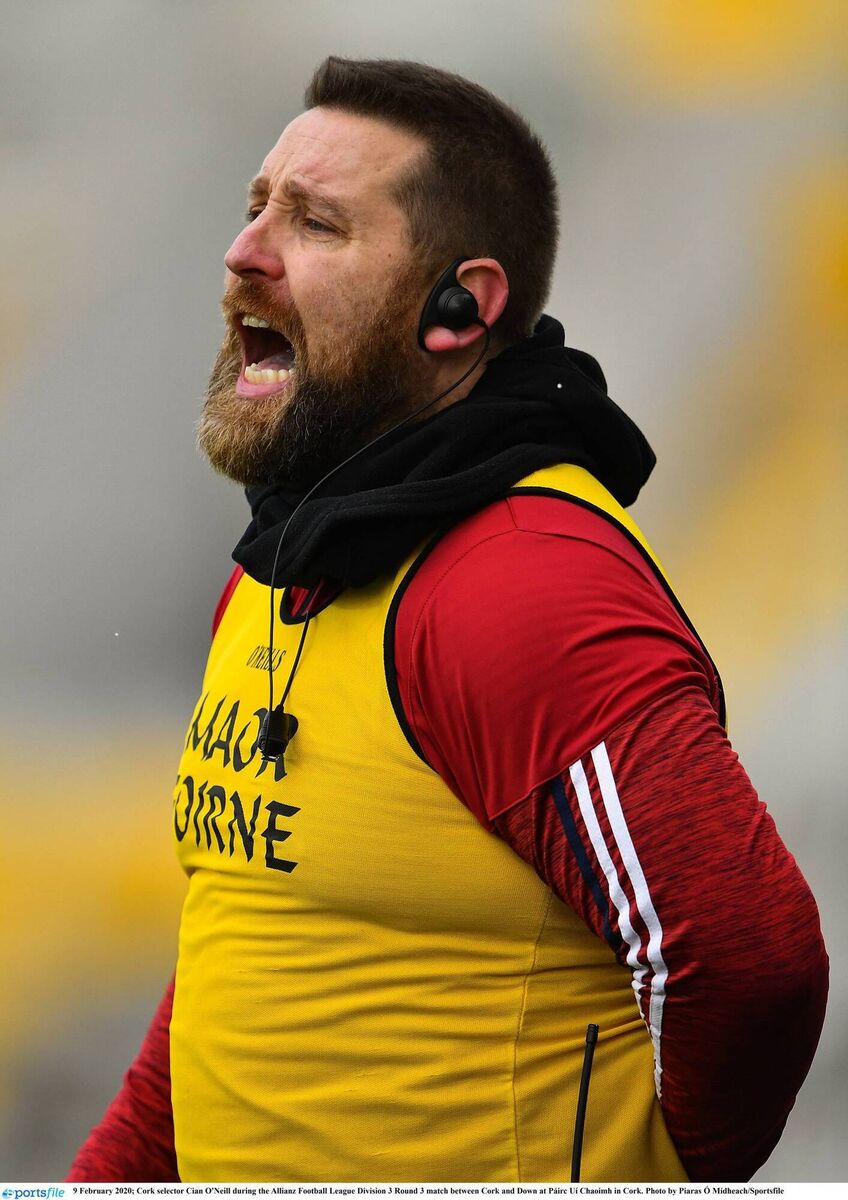
The dynamic between O’Connor and O’Neill will be interesting because they are such strong characters with different personalities. On the otherhand, their philosophies may be more closely aligned than many think, especially when O’Connor was brought up in a Newtownshandrum system framed by such strong footballing principles of short passing and running the ball.
Both men will need to trust each other but their working relationship should be strengthened by how much their working relationship will depend on its interdependence; O’Connor needs O’Neill’s experience but O’Neill will also benefit from O’Connor’s instruction around expanding his technical detail and developing his hurling IQ.
And if they can get that dynamic right, the O’Connor/O’Neill axis can be a powerful asset for Cork going forward.





 App?
App?


