Christy O'Connor: Earning potential of GAA players is evolving as image rights up for grabs
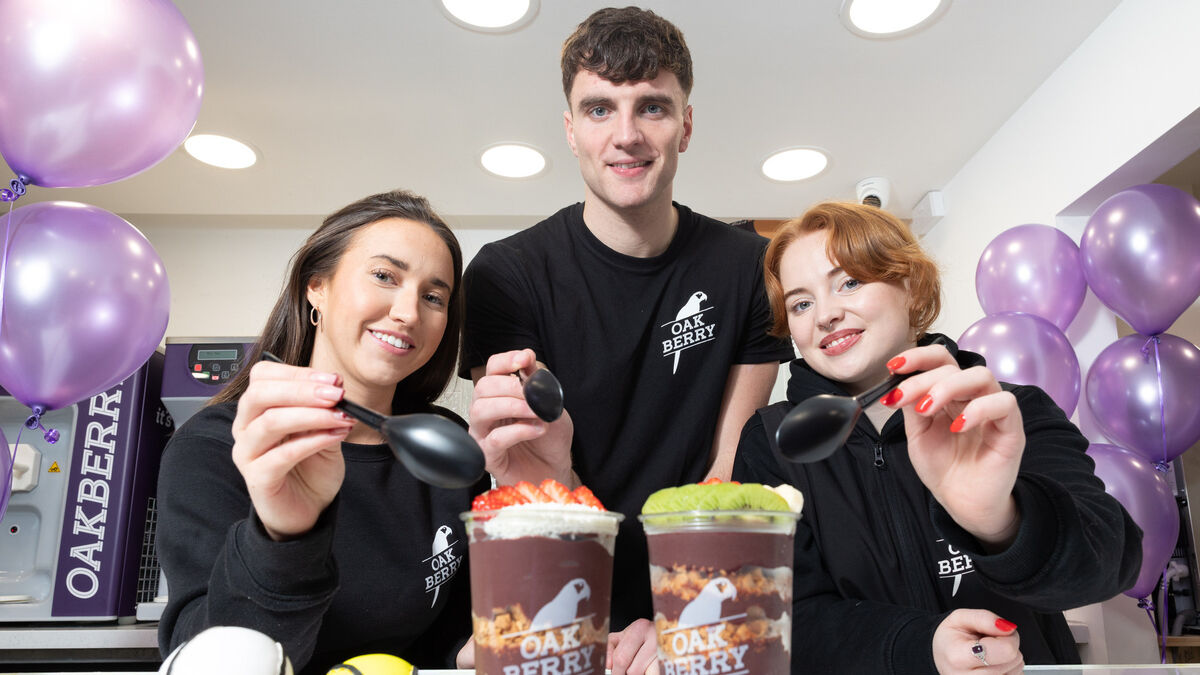
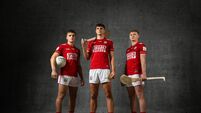
Brian Hayes, Cork All-Star and Munster Hurler of the Year, with Emma Barrett and Eimear Rainey at the opening of Oakberry's first Munster store on Oliver Plunkett Street. Picture: Darragh Kane
When the Atlanta Falcons rookie running back Bijan Robinson filmed a TV commercial in 2023 for his own brand of mustard, ‘Bijan Munstardson’, the production team involved were highly creative around the design of the commercial.
It begins with an American Football quarterback taking a snap at a game in a big stadium and then stepping back into the pocket. Yet instead of throwing the football, the quarterback picks up a sausage off a barbecue and fires it through the air into the hot-dog roll in the hand of Robinson, who is sitting on a deckchair.
After dousing the hot-dog with a dollop of his mustard, Robinson looks at the camera and winks before saying: ‘Touchdown.’ As the camera flashes to a bottle of Robinson’s mustard sitting on a kicking tee, seven words appear on the screen in a punchy sequence: ‘It’s like a touchdown in your mouth’.
Robinson created the gourmet brand while still at college in the University of Texas while also launching a line of accompanying merchandise like the ‘Mustard Touchdown Tee’. Known for its creative marketing campaigns, the hugely successful brand is a product of the Robinson’s NIL (Name, Image and Likeness) deal he put together while playing at the University of Texas.
When American college athletes finally won the right in 2021 to profit from their NIL, the decision was hailed as a long-overdue correction to decades of financial imbalance.
For years, the National Collegiate Athletic Association had prevented students from earning money despite universities generating billions through broadcasting, sponsorships and merchandising. But state legislation and NCAA policy changes opened the door to commercialising an athlete’s image rights.
The result has been nothing short of a revolution. According to ESPN, the top student-athletes now command seven-figure valuations, with Texas quarterback Arch Manning leading the way at $6.8 million. Other athletes have cashed in creatively on their names alone – like Robinson.
In November, David Clifford released his own brand of clothing and apparel in partnership with the company McKeever Sports, with his distinct silhouetted logo emblazoned on all items.
It's fanciful trying to link an amateur sportsperson to a multi-billion dollar global brand, but the logo has drawn comparisons with the famous Michael Jordan/Nike Air trademark. There was talk of a more lucrative fee linked to the sale of every garment, similar to the Nike/Jordan deal, but Clifford was happy to become a brand ambassador of a five-year deal with a set annual fee.
Clifford is the most marketable name in the GAA, but this is still a big step forward for the increasing commercial appeal and routes now open for GAA stars who want to explore that potential; this is the first time that a licensed partner of the GAA has collaborated with a player.
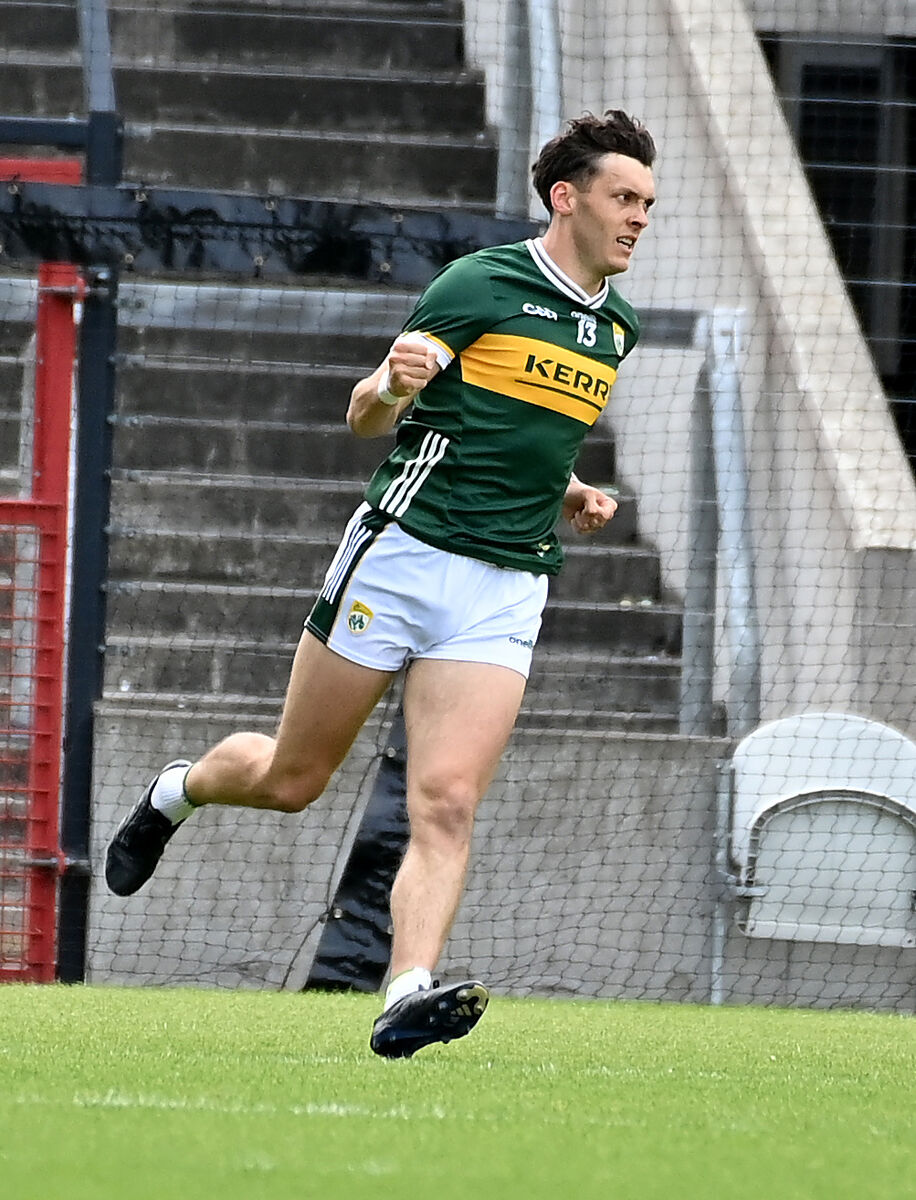
Clifford is unique with his ideal amalgam of talent and marketability but this venture was also timely with the Gaelic Players Association agreeing a new protocol two weeks later that included a historic image rights agreement, with the GAA formally recognising that inter-county players now own their Name, Image, Likeness and Personality (NILP) rights.
That had been an ongoing issue for the GPA for a long time and was a key bargaining tool in the negotiation of the four-year deal which provides a 15% share of gross Central Council commercial revenue to the GPA.
It also involves a restructuring of the Le Chéile Model - the GAA/GPA joint commercial venture – where additional revenue will go towards a new joint GAA/GPA student bursary fund of €300,000 annually.
For years, the GAA resisted any notion that they would give the GPA a share of the GAA’s commercial income but image rights became the key battleground in the GPA’s fight to secure a greater slice of the cake.
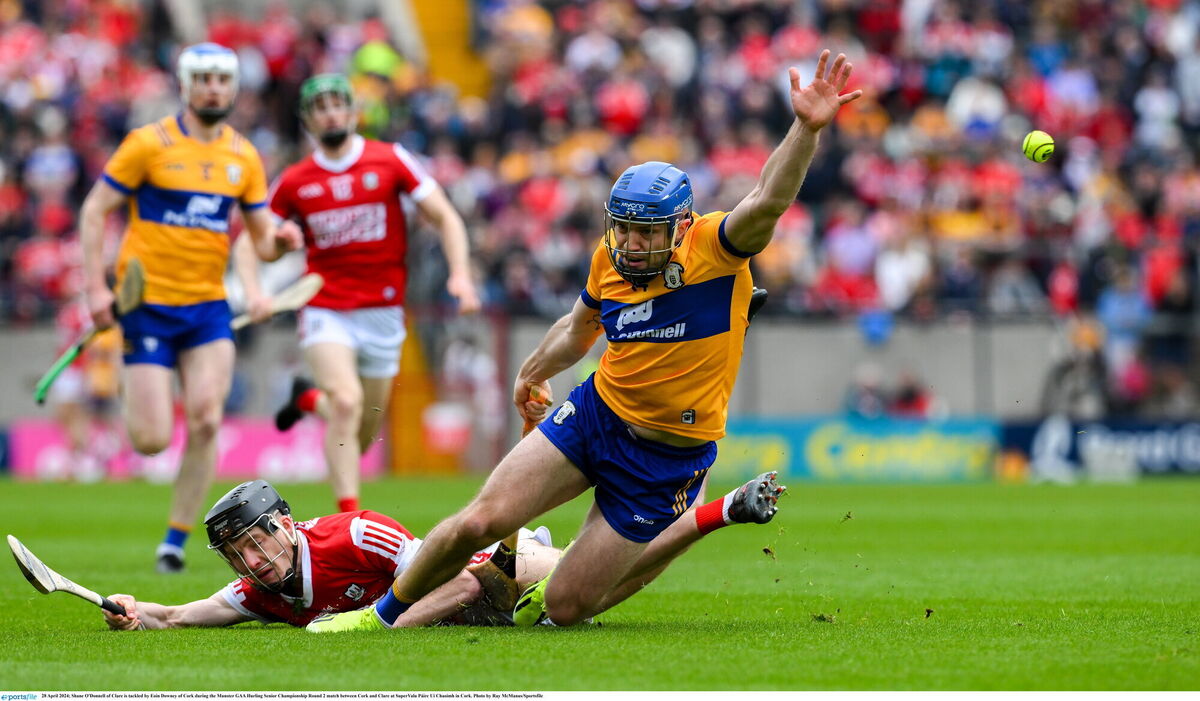
A key turning point was when Clare hurler Shane O’Donnell publicly addressed the topic around the ownership of image rights last year. O’Donnell expressed his frustration about his association with GAAGO and his image rights after a photograph of him was used to promote GAAGO.
The basic premise of O’Donnell’s argument, like so many players before him, was around consent, and having some control over your image. “Basically,” he said, “we don't own our image.”
Having the consent of the player has always been the core issue around the infringement of image rights but that has always been difficult in an amateur organisation.
Unlike professional athletes, whose image rights are protected on a contractual basis, GAA players don’t have that kind of contractual protection. When players join the GPA they automatically assign their image rights to the organisation so that the GPA can act for them when complaints arise.
The commercial and financial revenues around those sports are gargantuan in comparison to the GAA but now that the players have secured their own NILP rights, the GPA and the players have far more bargaining power going forward.
It would have been impossible to conceive 10 years ago that the GAA would hand over a 15% share of gross Central Council commercial revenue to the GPA. In another sense though, 15% is a good deal for the GAA – especially when it’s for four years - considering the strong hand the GPA now have with the players’ NILP rights.
Because GAA players have far more earning potential – and financial control - than they’ve ever had before.


 App?
App?


