New book by Liam Ó Donnchú traces 107 years of the Dr Harty Cup
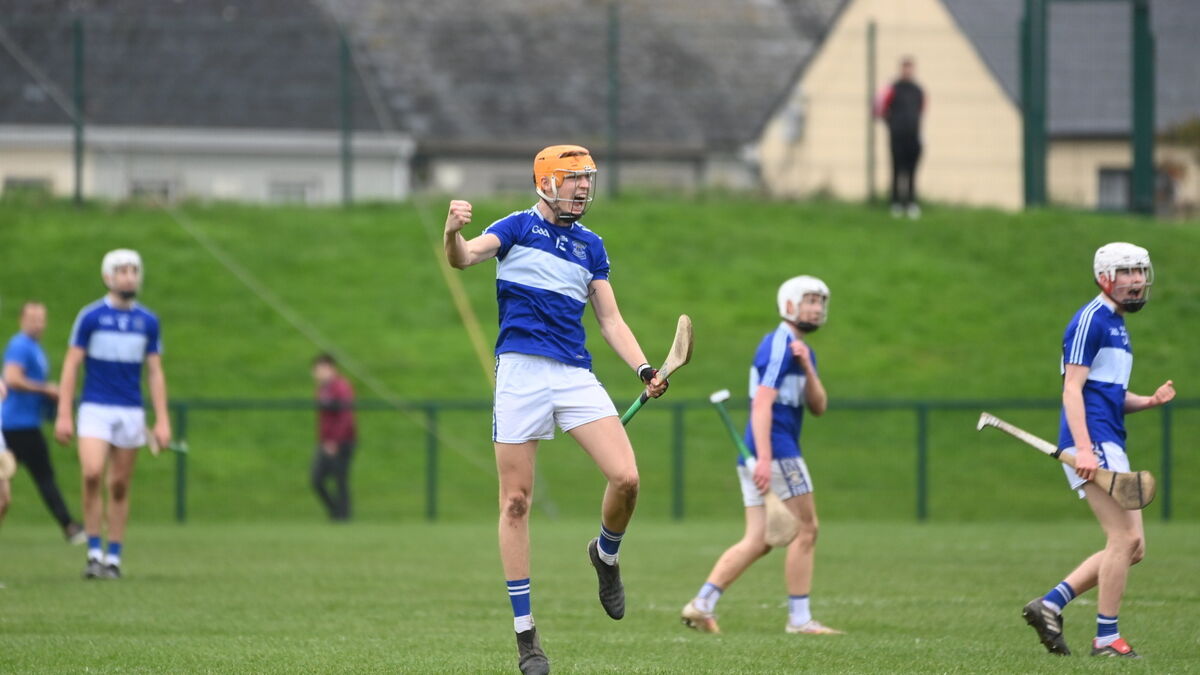
Gabhán Ó Ceallacháin celebrates after he scores from a free in the second half for Gaelcholáiste Mhuire v St Joseph's Tulla at Kilmallock in the Harty Cup. Picture: Larry Cummins
There’s nothing quite like the Harty Cup.
From first to sixth year, they pour in behind the wire. Dressed in their school colours, faces painted, megaphones blaring. And any other acoustic devices that they can get their hands on.
Some wear outfits that look more like Halloween costumes gone astray than school colours. But the noise, the madness, the energy, that’s all part of it.
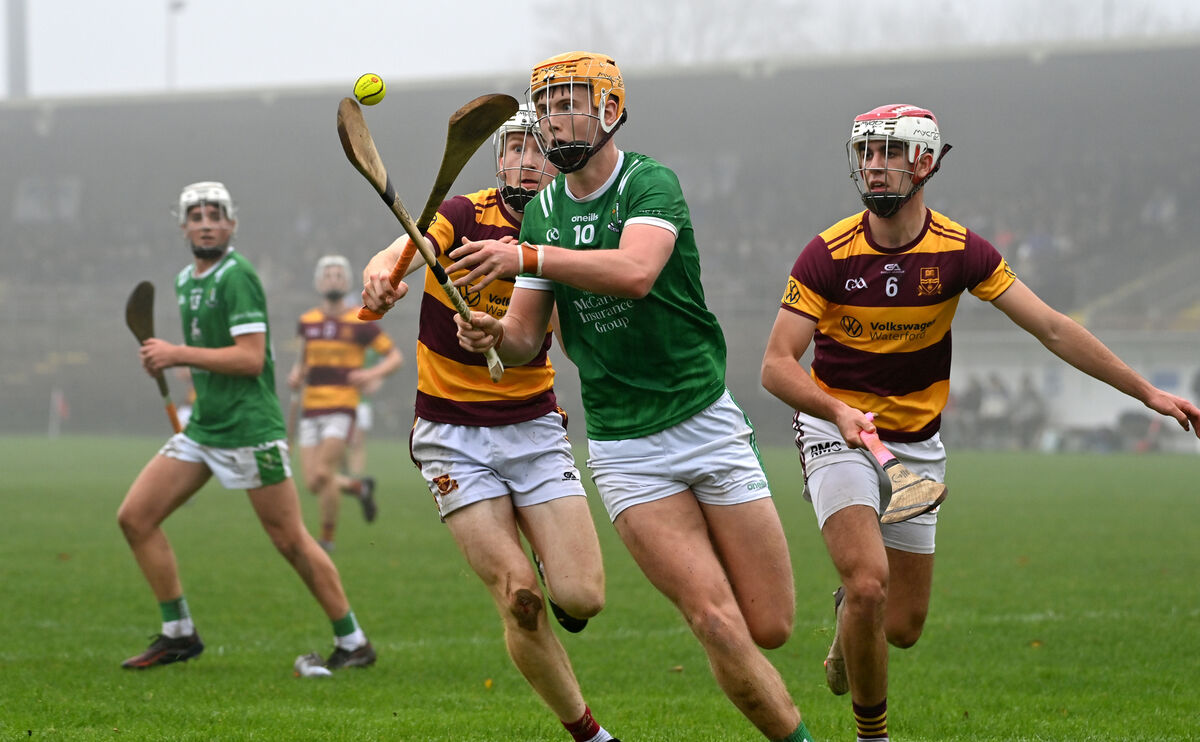
And then there’s what happens inside the white lines. The best of the best young hurlers in Munster, the next generation of county men, fighting for the most coveted schools’ cup of them all. They do it not just for medals, but for classmates, teachers, friends.
The people they share corridors and canteens with every day.
That is the magic of the Harty Cup.
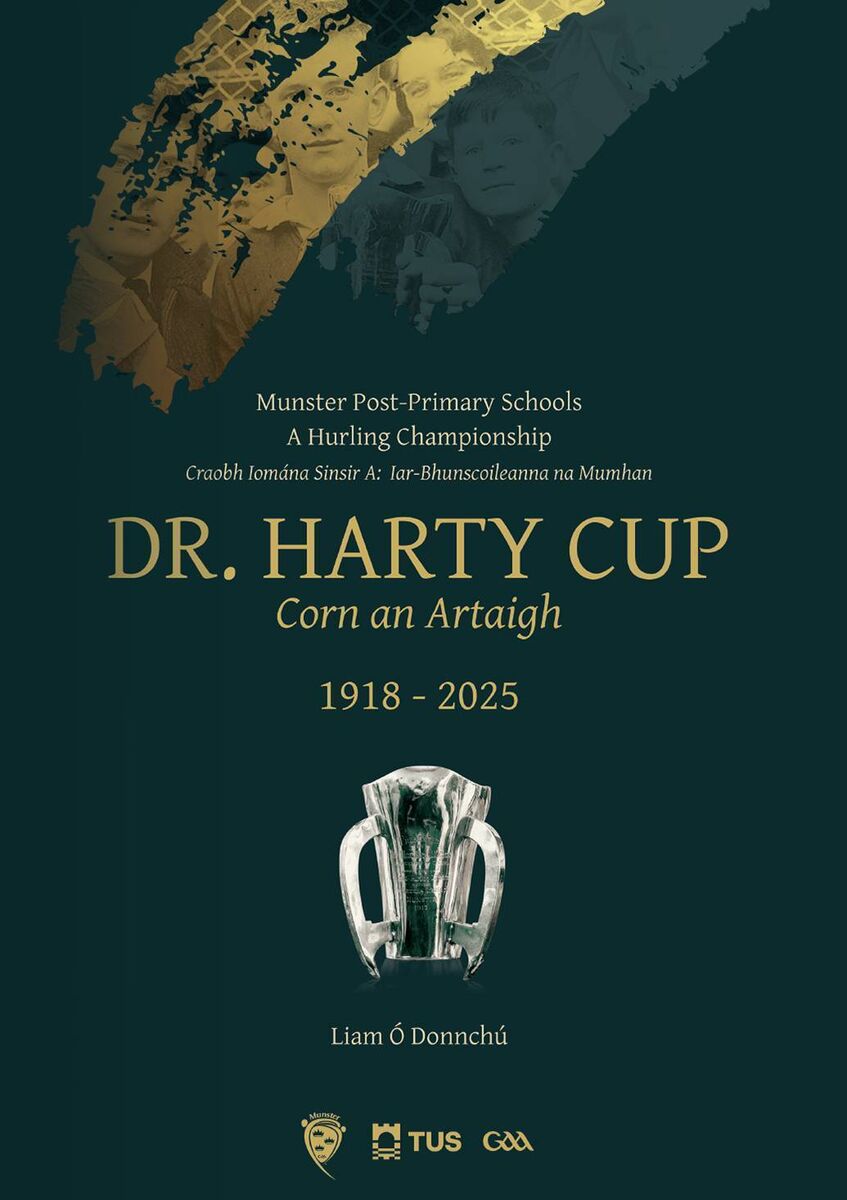
It’s a magic that Liam Ó Donnchú has spent the last year and a half recording. The first ever history of the Harty Cup is his latest book, which launched last week at the Horse and Jockey Hotel.
Among those there to mark the occasion were Seán Óg Ó hAilpín, Limerick’s Andrew O’Shaughnessy, and Clare’s Colin Ryan, all men who lived the Harty experience and whose stories now line Ó Donnchú’s pages.
And for Ó Donnchú himself, the magic of the Harty Cup is something he grew up with, and what made the project all the more appealing.
“You’d remember the days in the school, I went to Thurles CBS, and we weren’t as successful as a lot of the schools, but we took the Harty Cup very seriously,” Ó Donnchú begins. “I played in the Harty Cup myself in the 60s, and we came up against a much better Limerick CBS team, that were in the middle of winning their famous four-in-a-row with players like Eamonn Cregan, Eamonn Grimes and Sean Foley.
“They were a super team at the time. And Limerick benefitted so much from those players, they won the 1973 All-Ireland afterwards and possibly should have won more,” he says. “It’s great for a school management to have the involvement in games, it makes running a school much easier when there’s a unity of spirit in the place getting behind the team.
“A lot of the players we interviewed talk about how hard it was to win. The training and that time of the year, and how it prepared them for further competition in later years.
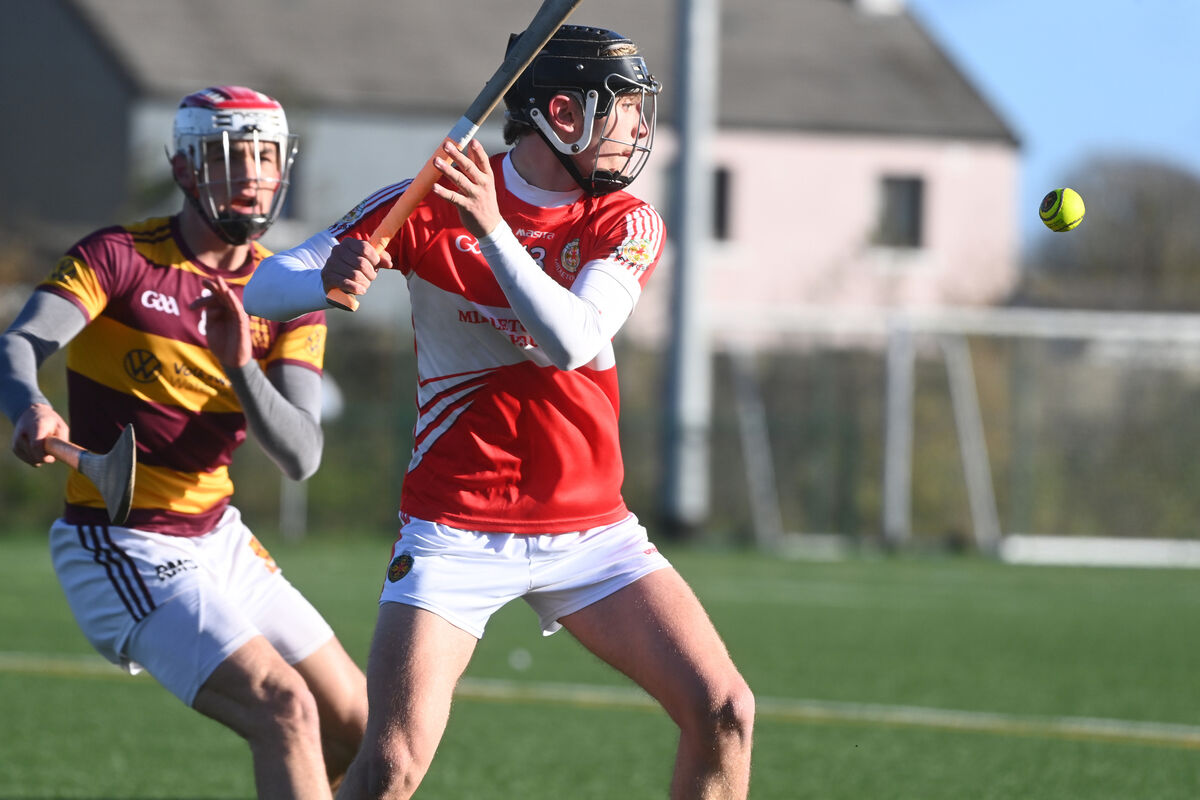
“Declan Hannon was Limerick captain and won four All-Irelands, and he spoke about his Harty days with Ardscoil Rís and how hard the hurling and training was.
“But it really steeled him up for the greater challenges that were coming later on in his hurling career. Many others mentioned it as well, but most of them mentioned the comradery and great memories that they have of had their Harty Cup days.” In charting 107 years of competition, stretching back to 1918, one theme stood out above all.
“What surprised me was the dedication of a lot of the schools,” Liam says. “There were schools that were successful, you know how they regard the Harty Cup.
“But there were schools that were getting beaten, year in year out, and they would still come back the next year. Competed, and gave it their all, and mightn’t have done well. They wouldn’t have won a Harty Cup, and still they showed great loyalty to the competition, and wanted to be part of it.
“It brought on their players a good bit, but it is very hard on them. You’d feel sorry for them in a way, because there were some very bad beatings, and from a promotional point of view you’d wonder. And in all those early days it was just straight knockout.
“But the way the modern game is approached, with group stages, and an awful lot more games.
“It attracts great players and great managements, like this year in St Flannan’s they had the likes of Tony Kelly on the management and Jamesie O’Connor.
“In Farrenferris occasionally, Christy Ring would be in doing coaching with them and was a regular to talk to them at half time during matches.” And that, in the end, is what the book captures. The spirit that has made the Harty Cup what it is for more than a century.
The book is available for purchase on the Munster GAA website.




 App?
App?


