Christy O'Connor: St Finbarr's look to emulate Milford and Glen Rovers on All-Ireland stage
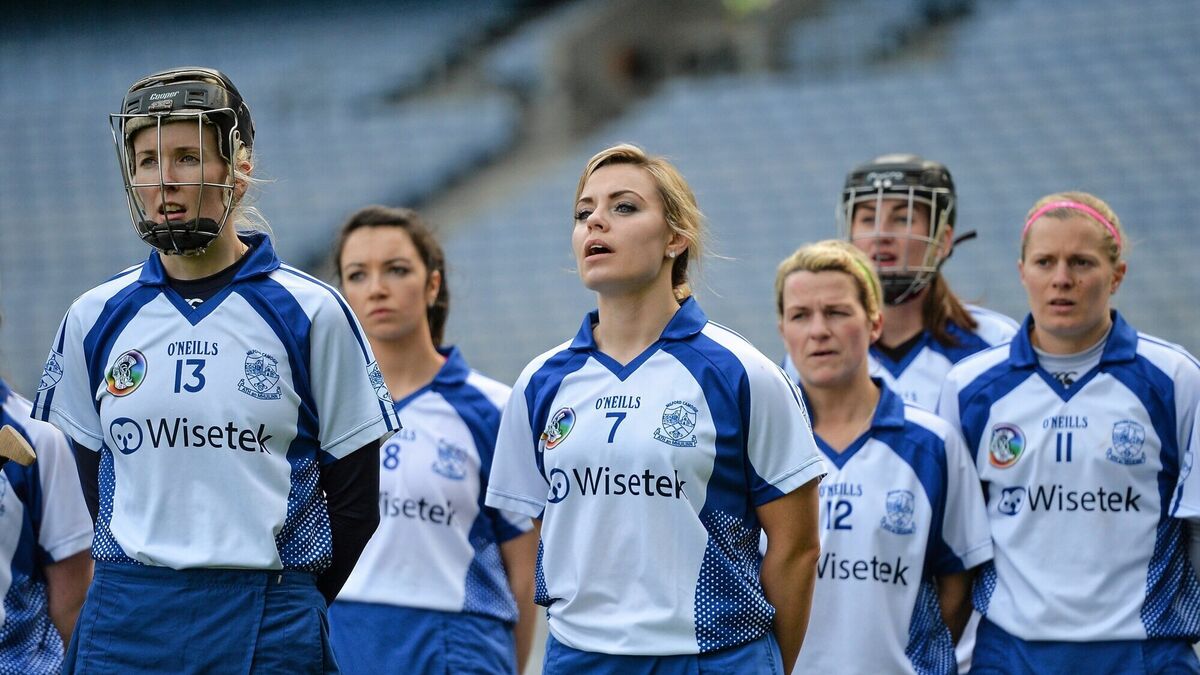
Milford before an All-Ireland winning display at Croke Park in 2015. Picture: Piaras Ó Mídheach/SPORTSFILE
When Frank Flannery took over the Milford senior camogie team in the early part of the last decade, he was going into a group that had been utterly dominant at underage but who had hit a wall at senior level.
Milford had never won a county senior title but there was obvious potential in the group.
They lost three finals between 2004-'11, but one of Flannery’s first acts was to tell the players that they were eight steps away from an All-Ireland final in Croke Park.
“We were thinking, lads above, is he mad, like,” recalled Aisling Thompson in her TG4 episode of Laochra Gael.
“We were beaten in the quarter-final of the county last year and this fella thinks we’re eight steps from an All-Ireland. I said, 'This guy is mad anyway, we’ll get knocked out in the first round of the championship'.”
They weren’t because there was total method to what the Milford players had initially deemed to be Flannery’s madness. When Milford won their first county senior title in 2012, they hammered St Catherine’s in the decider by 25 points.
Of the four successive Cork titles they won between 2012-’15, Milford’s aggregate winning margin was 77 points.
The North Cork side went on to win three All-Ireland titles in four years.
Milford won four successive Munster titles and only narrowly missed out on reaching four All-Ireland finals in a row after losing the 2014 semi-final to Mullagh.
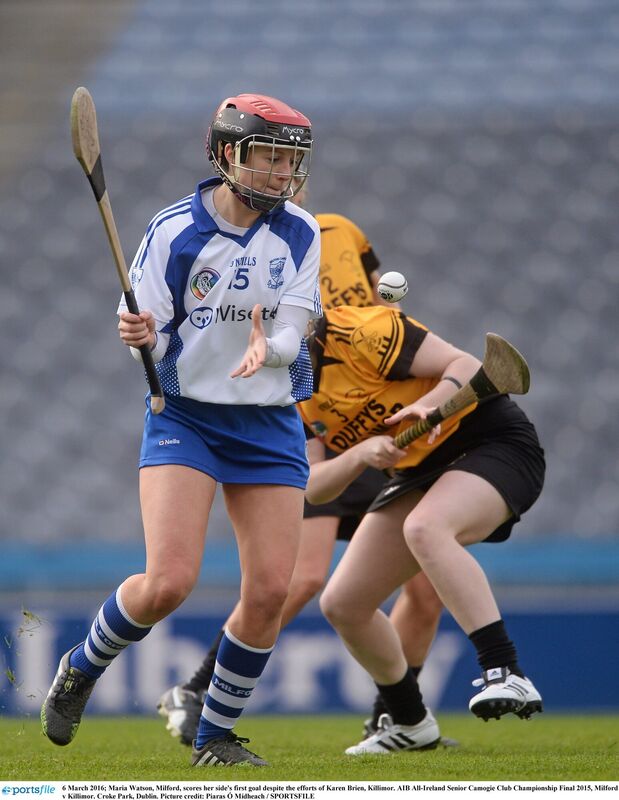
After Milford lost the 2016 county final to Inniscarra by three points, that great team never came back. Inniscarra just picked up the baton and ran with it, winning three-in-a-row in Cork between 2016-'18.
Inniscarra won a Munster title in 2018 but were subsequently beaten in the All-Ireland semi-final by St Martin’s.
The Wexford side were in turn beaten by a dominant Slaughtneil team that bagged three All-Irelands in a row between 2016-’18.
Milford are the joint-fourth most successful club on the roll of honour but their incredible success over such a short period was also reflective of the trend of the All-Ireland club camogie championship; the vast majority of the ten most successful clubs in the history of the All-Ireland camogie championship won those titles in a blitzkrieg fashion.
St Paul’s Kilkenny, who top the roll of honour with eight All-Irelands, are an outlier because they accumulated that haul over two separate periods. After bagging five in nine years between 1968-’76, St Paul’s returned with a new team to win three in-a-row between 1987-’89.
A core of that group returned to win another title in 1994 under the banner of their new name, Lisdowney.
Buffers Alley from Wexford reached seven successive All-Ireland finals between 1978-’84, winning five titles, while Pearses from Galway secured five All-Irelands in seven years between 1996-2002.
Glen Rovers mined four All-Irelands from six final appearances in a nine-year period between 1986-’94, while Sarsfields from Galway won four titles from eight finals between 2016-’24.
Slaughtneil and St Lachtain’s Freshford both won three in a row while Granagh-Ballingarry won three All-Irelands in five years.
It took Oulart-the-Ballagh longer to win their three All-Irelands but they were still accumulated in a nine-year period.
Two of the three clubs with two All-Irelands - St Patrick’s Glengoole (Tipperary) and Austin Stacks (Dublin) – won them back-to-back, while Cashel won two in three years between 2007-’09.
They created a unique tradition but the most successful Cork club on the national stage – Glen Rovers – have long been the traditional powerhouse, having won 22 county titles from 33 final appearances.
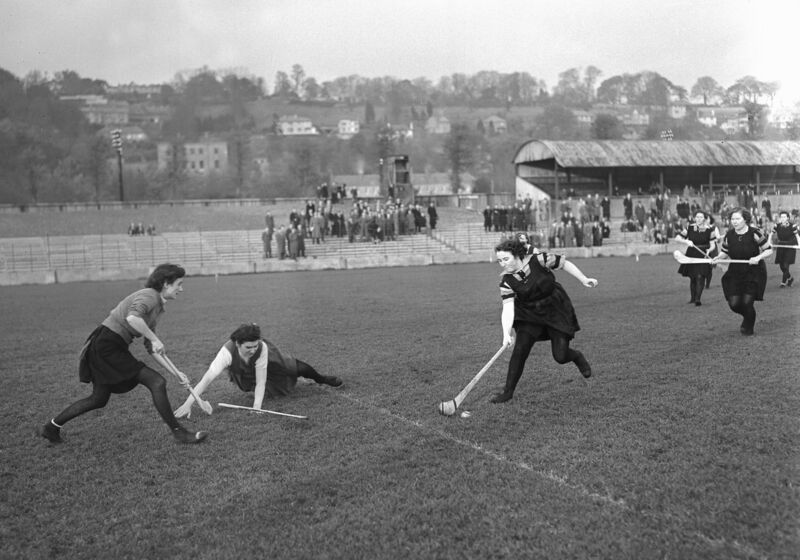
The Glen’s two most glorious periods were when they won seven in a row between 1962-’68 and 1990-’96, but the 1990s was even more glorious for how the Glen translated that success into three All-Irelands between 1990-’93.
It would have been four in five years if the Glen hadn’t lost the 1994 decider to Lisdowney.
Having won their first All-Ireland in 1986, Glen Rovers are Munster’s most successful senior camogie club with four All-Irelands.
They are also on top of the roll of honour in the province with nine titles but the Glen still followed the pattern of a club winning All-Irelands over a short sustained period.
When a club arrives on the All-Ireland stage, they usually stay around. And yet, the last three All-Ireland finals have still been contested by clubs appearing in a first senior decider; Loughgiel Shamrocks (2022), Dicksboro (2023) and Truagh-Clonlara (2024).
St Finbarr’s are appearing in a first final on Sunday when they take on Athenry. Similar to Glen Rovers, Buffers Alley and Sarsfields (Galway), Athenry have won All-Ireland senior titles in hurling and camogie.
Yet the Barrs have a chance now to write a whole new level of history again.
A win on Sunday would see the Barrs become the first club to win senior All-Irelands in hurling, football and camogie.
For decades, St Finbarr’s were the only club to have won All-Irelands in hurling and football before Cuala finally managed it last year, winning the football eight years after they’d won successive hurling titles.
A number of clubs have won All-Irelands in either hurling, football, camogie and ladies football but no club has managed it across three levels.
A week after the Barrs devastating Munster final loss to Dingle, and less than a year after another club finally achieved what only St Finbarr’s had managed, the Togher club suddenly have the capacity to stand out all on their own again.






 App?
App?


